
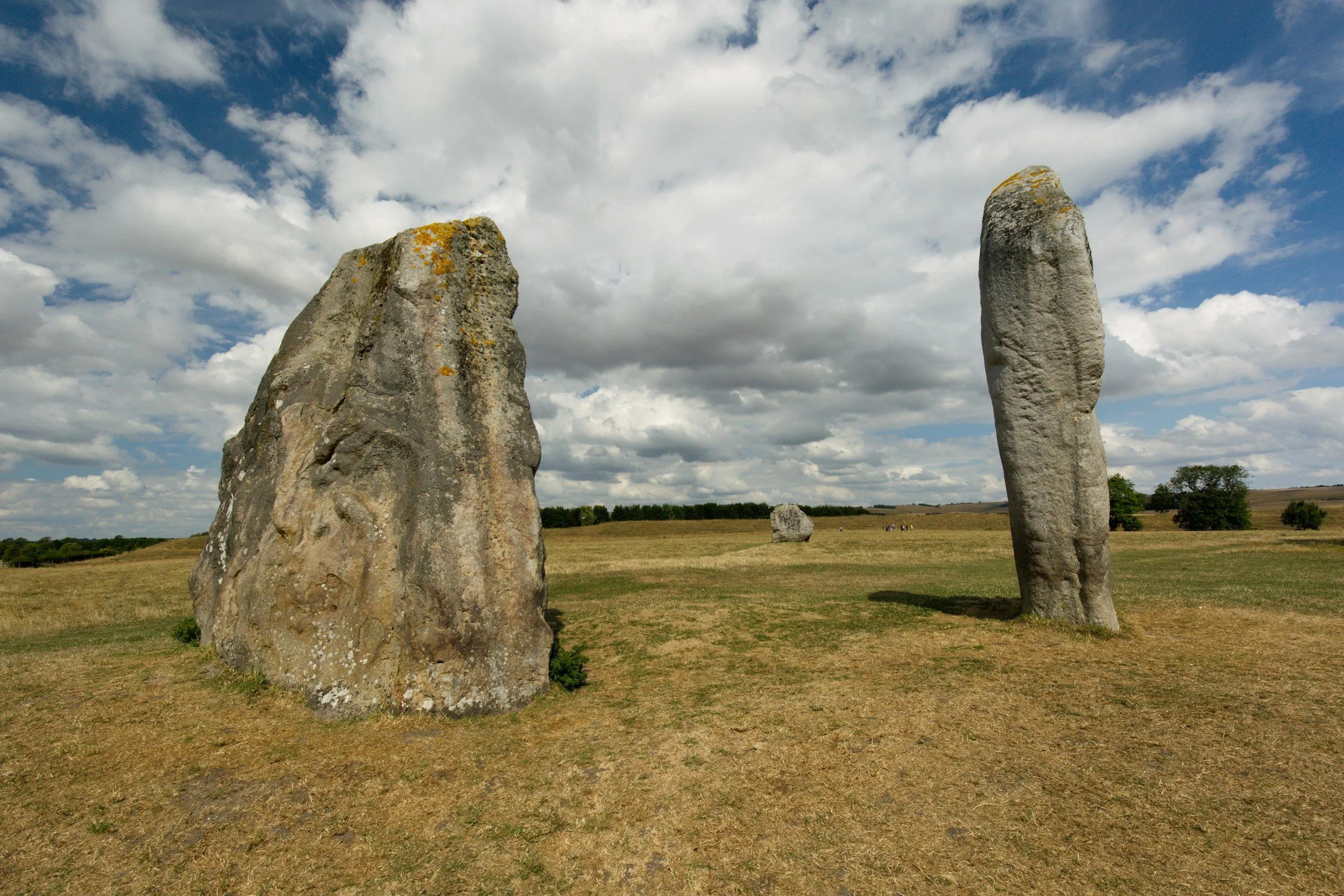
Avebury Stone Circle & Silbury Hill
A Private Tour Through the Heart of Neolithic Wiltshire
📍 Departing Central London or Any Airport | ✈️ Airport pickup available | 🕐 Full day, up to 10 hours | 🚗 Private vehicle throughout
Stonehenge draws the crowds. Avebury rewards the curious. The Avebury stone circle in Wiltshire is larger, older in its landscape origins, and — unlike its famous neighbour on the Salisbury Plain — completely open. You can walk straight up to the sarsen stones at Avebury, run your hand along surfaces that have stood for roughly 4,500 years, and wander the full circuit of the outer henge at your own pace. A working village sits inside the monument. A medieval church stands within the earthworks. The sheep graze between the stones regardless.
This private tour from London to Avebury covers the full Neolithic complex: the Avebury henge and stone circles themselves, the enigmatic flat-topped mass of Silbury Hill in the valley below, and the West Kennet Long Barrow on the ridge above — one of the finest and most accessible chambered tombs in Britain. Add the Alexander Keiller Museum for the artefact story, and lunch at The Red Lion Avebury — the only pub in the world inside a stone circle — and you have a genuinely complete day.
Your price is fixed before you travel. No meter, no extras, no changes on the day. Your vehicle and driver are yours for the full duration, handling the narrow Wiltshire lanes and rural car parks so you can concentrate on the landscape.
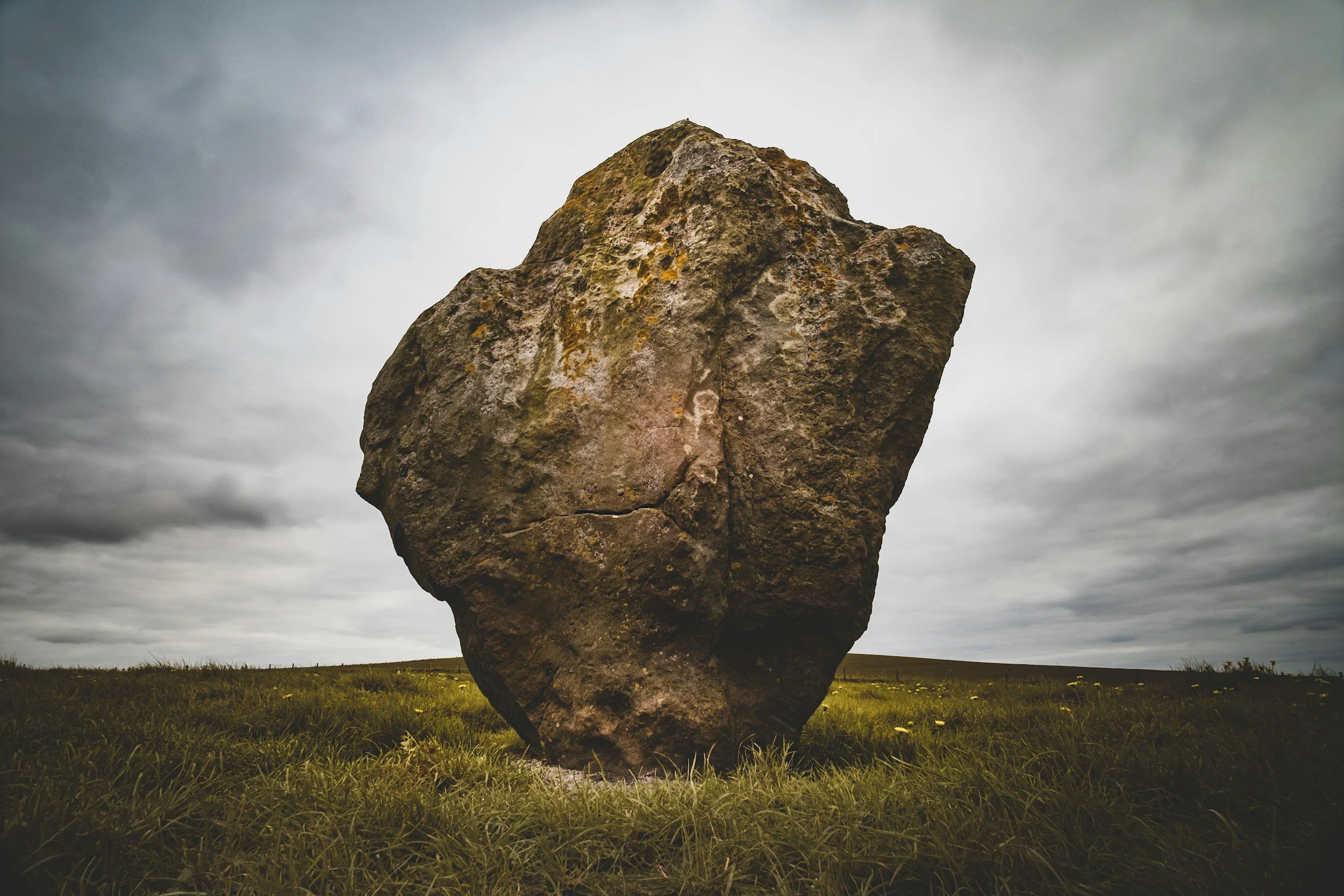
The Avebury Stone Circle
The Avebury stone circle is the largest in the world by area — a UNESCO World Heritage Site that most people have heard of but far fewer have visited. That's part of what makes it so rewarding. The outer circle measures roughly 420 metres across and originally contained around 100 standing stones at Avebury, many of them enormous sarsen blocks quarried from the Marlborough Downs a few miles to the east. Fewer than half survive today — many were buried in the medieval period by villagers who feared them, and others broken up for building stone in the 18th century. The ones that remain are among the most impressive megalithic monuments in Britain.
The Avebury henge — the enclosure of bank and ditch surrounding the stones — is itself a feat of engineering. The ditch was cut to a depth of around 10 metres using only deer antler picks and ox shoulder blades. The spoil piled to the outside formed the bank, which still stands several metres high and can be walked in its entirety. From the top of the bank, the scale of the whole complex becomes clear in a way it doesn't from ground level.
Inside the outer circle sit two smaller inner circles, only partially surviving. The southern circle once contained a tall central stone called the Obelisk, now marked by a low concrete post. The northern circle enclosed a formation of three stones known as The Cove — two of which still stand. These inner structures suggest a complexity of ritual use that continues to puzzle archaeologists.
The Avebury stone circle history stretches back to around 2850 BCE for the earliest phase of construction, with work continuing for several centuries. It predates the sarsen phase of Stonehenge and is broadly contemporary with the construction of Silbury Hill nearby, suggesting the whole valley was deliberately shaped into a sacred landscape over many generations.
The Alexander Keiller Museum, housed in the village's old stables, tells the story of the excavation and restoration of the site in the 1930s. Keiller — a marmalade heir with a serious interest in archaeology — re-erected many of the fallen and buried stones and created much of what visitors see today. The museum holds the artefacts recovered during that work, including carved stones, animal bones, and the skeleton of a medieval man found crushed beneath one of the sarsen blocks — a reminder of how these monuments were treated before their significance was recognised.
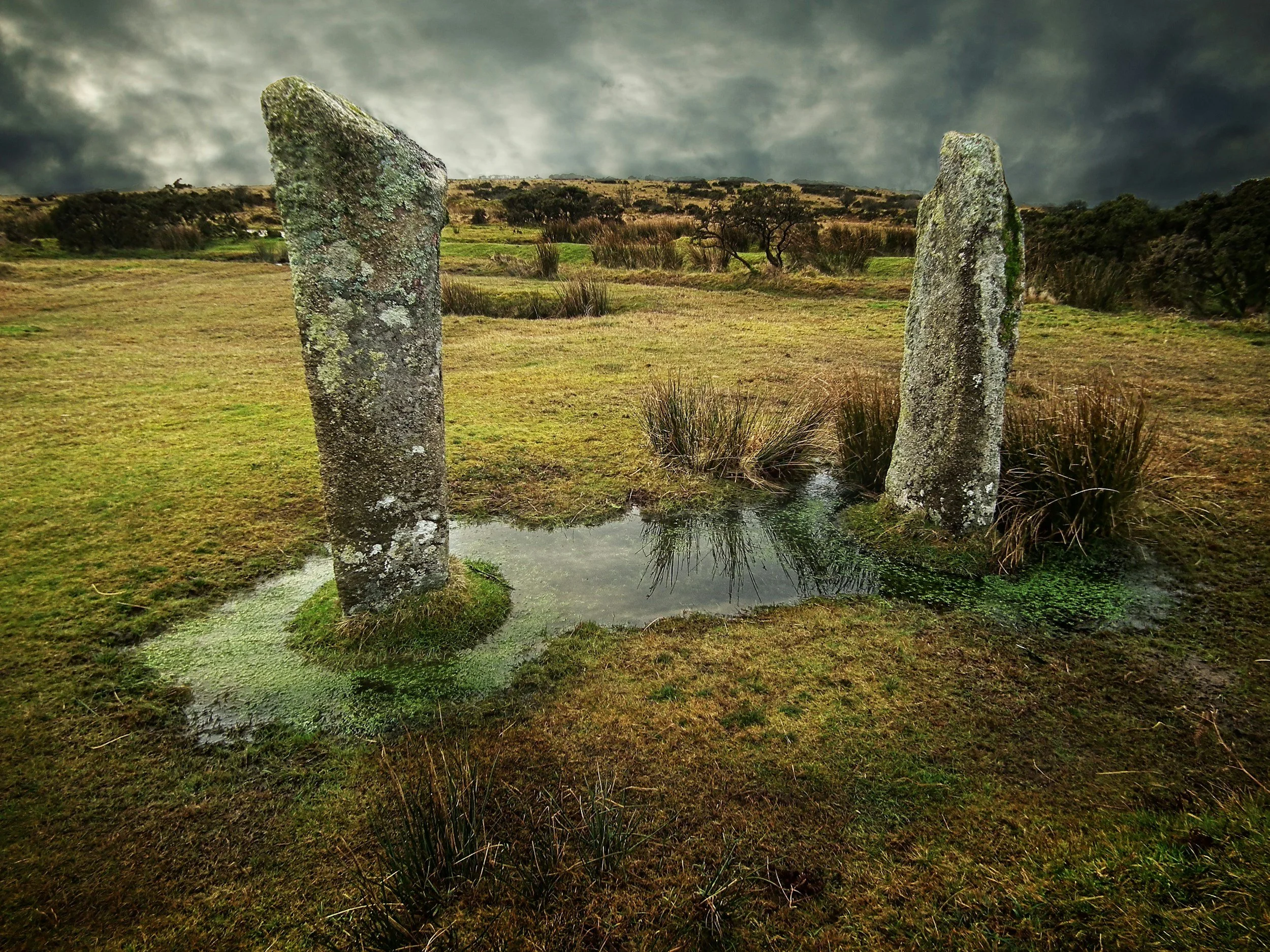
Silbury Hill
Half a mile south of the village, just off the A4, Silbury Hill rises abruptly from the flat floor of the Kennet Valley. It is the tallest prehistoric man-made mound in Europe — roughly 40 metres high and containing an estimated 248,000 cubic metres of chalk and clay. In terms of sheer volume, it is comparable to the smaller Egyptian pyramids. Construction began around 2400 BCE and apparently continued in phases over several centuries.
What nobody knows is why. Despite multiple excavations — in 1776, 1849, 1867, 1922, and most recently in the 1960s and early 2000s — inside Silbury Hill has revealed no burial, no treasure, no obvious ritual deposit. Every tunnel dug through the mound has found elaborately constructed chalk rubble and evidence of careful phased engineering, but no explanatory contents. The Silbury Hill facts that archaeology has established are detailed and precise; the purpose of the mound remains genuinely unknown.
The hill cannot be climbed — it is protected by English Heritage, and the steep chalk sides are fragile — but the view from the roadside layby and from the path around its base is substantial. The mound dominates the valley in a way that reads as deliberate: positioned to be seen from the Avebury henge to the north, from the ridge of West Kennet to the south, and from the line of the ancient Kennet Avenue running between them. Whatever it meant to the people who built it, it was clearly meant to be seen.
West Kennet Long Barrow
On the ridge above Silbury Hill Wiltshire, a fifteen-minute walk from the roadside, stands West Kennet Long Barrow — one of the longest, largest, and best-preserved Neolithic chambered tombs in Britain. It was constructed around 3650 BCE, making it older than both Avebury and Silbury Hill by several centuries and older than Stonehenge by over a thousand years.
The tomb is entered through a forecourt of tall sarsen stones and a low passage leading into five burial chambers arranged in a cruciform plan. You can walk inside. The chambers are low-ceilinged and narrow, but there is room to stand in the central passage and to move between the side chambers, each of which held multiple burials over the centuries the tomb was in active use. The bones of at least 46 individuals were placed here, sometimes rearranged and mixed — suggesting the tomb functioned as a communal ancestral space rather than a place of individual burial. It was finally sealed with large blocking stones around 2500 BCE, roughly contemporary with the main construction phase of Avebury.
The West Kennet Long Barrow walk from the A4 layby is short and mostly flat — around 500 metres across a field — and the site is freely accessible at all times. Standing inside the burial chamber on a quiet morning, with the view back down to the Kennet Valley and Silbury Hill below, is one of the most genuinely affecting experiences the British prehistoric landscape offers.
The Day in Outline
Morning — London pickup & drive to Avebury Your driver collects you from any central London address, hotel, or airport. The drive to Avebury Wiltshire takes around 90 minutes via the M4. You'll arrive refreshed and ready to walk.
Mid-morning — Avebury stone circle, Keiller Museum & Manor Begin with the outer circle, walking the full henge bank if you wish. Explore the Alexander Keiller Museum for context on the excavation and restoration. If time allows, visit Avebury Manor for its period rooms.
Lunchtime — The Red Lion Avebury Lunch at The Red Lion — the pub inside the stone circle — or at a nearby country inn in the Kennet Valley, whichever you prefer. Your driver can suggest alternatives.
Afternoon — Silbury Hill & West Kennet Long Barrow A short drive brings you to the Silbury Hill viewpoint and the start of the West Kennet Long Barrow walk. Your driver waits while you explore both sites at your own pace.
Evening — Return to London The return journey takes around 90 minutes. Drop-off at your chosen London address — the same or different from your pickup point.
Duration: Up to 10 hours from pickup Pickup: Any central London address, Heathrow, Gatwick, Stansted, Luton, or London City Airport Group size: Up to 4 (saloon), up to 5 (MPV), up to 7 (8-seater minibus)
What Every Booking Includes
✅ Private vehicle — saloon, MPV, or 8-seater minibus; yours exclusively throughout
✅ Door-to-door pickup and drop-off — from any London address or airport
✅ Up to 10 hours — vehicle and driver at your full disposal
✅ Fixed price confirmed at booking — no meters, no surges, no extras ✅ Free Wi-Fi on board — throughout the journey
✅ Bottled water — complimentary for all passengers
✅ DBS-checked, TfL-licensed driver — professional, knowledgeable, discreet
✅ Executive vehicle upgrade available — Mercedes or BMW on request
✅ Flexible itinerary — adjust stops at any point during the day
✅ Child seats — available on request
Frequently Asked Questions
-
Yes — this is one of our most popular combinations. The Stonehenge and Avebury tour from London adds Stonehenge to the morning and typically runs to around 10–11 hours in total, depending on pace. Both sites are roughly 30 minutes apart. Please mention this when enquiring so we can plan the timing.
-
The Avebury stone circle is open and free to walk at all times. The Alexander Keiller Museum and Avebury Manor charge National Trust admission — free for members, otherwise payable on arrival. West Kennet Long Barrow is free and openly accessible. Stonehenge, if added, requires timed entry tickets booked in advance through English Heritage.
-
Yes. The outer henge bank and ditch can be walked in its entirety — roughly 1.5 miles around the circuit. The terrain is grassy and mostly even, though the bank slopes are steep in places. Comfortable walking shoes are recommended.
-
Extensive excavation has found no burial, treasure, or clear ritual deposit inside Silbury Hill — only carefully engineered chalk rubble constructed in phases over several centuries. Its purpose remains genuinely unknown. The hill cannot be climbed, but its full scale is visible from the roadside viewpoint and the footpath around its base.
-
The West Kennet Long Barrow walk from the A4 layby is around 500 metres across a sloping field — roughly 10 minutes each way. The path is clear and unsurfaced. The tomb itself is freely accessible, and you can walk inside the burial chambers. Sturdy footwear is advisable, particularly after rain.
-
The Red Lion Avebury is a traditional pub in the centre of the village, famously positioned inside the stone circle. It is the only pub in the world situated within a prehistoric henge monument. It serves food at lunchtime and is a pleasant midday stop — though it can be busy at weekends.
-
Yes. We offer pickup from Heathrow, Gatwick, Stansted, Luton, and London City Airport. A private tour to Avebury makes an excellent first-day activity after landing, combining the airport transfer with a full day in Wiltshire before checking in to your London hotel.
-
Child seats are available on request and charged at the time of booking. Please provide the age and weight of each child when enquiring so the correct seat can be fitted in advance.
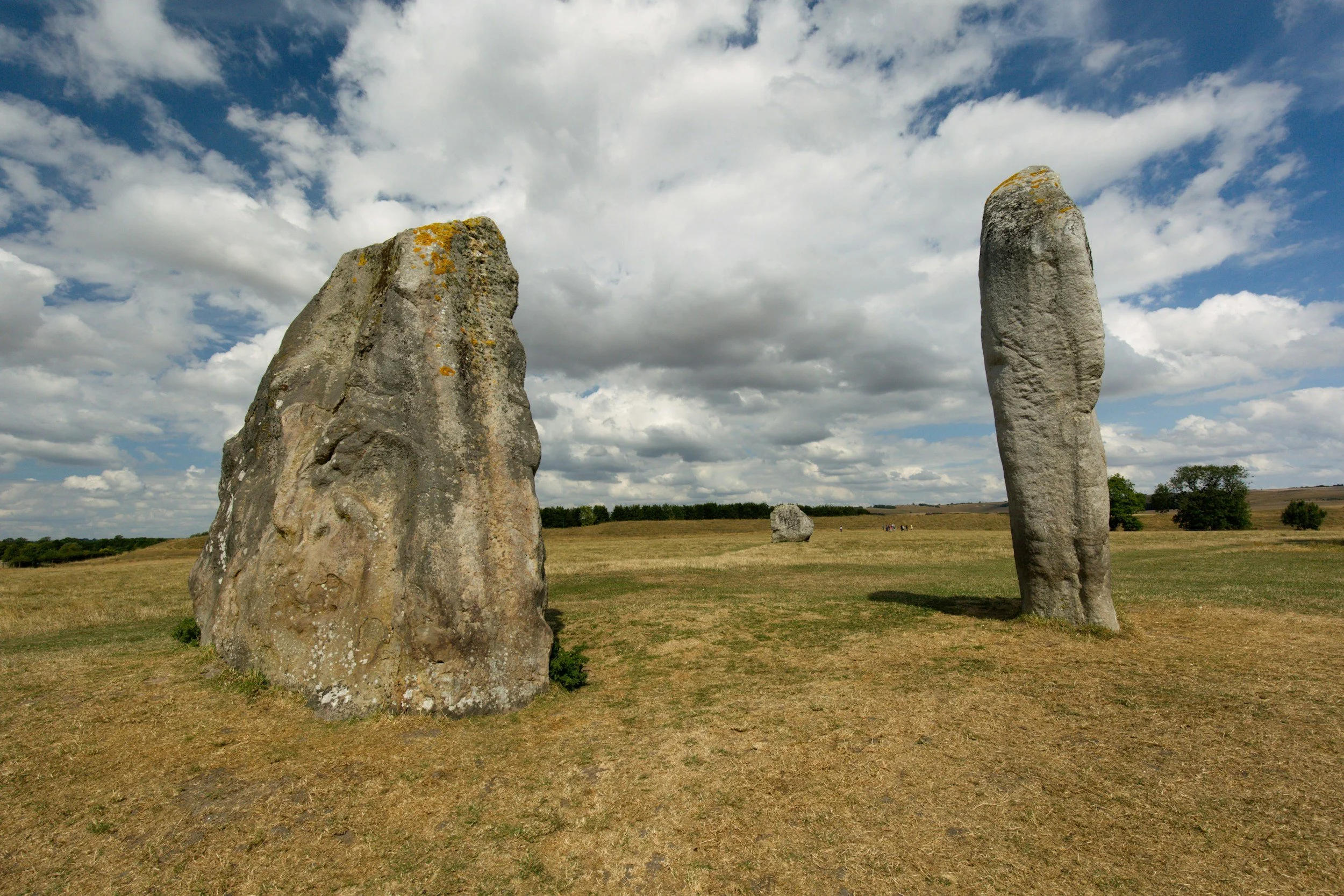
Ready to Visit the World's Largest Stone Circle?
The Avebury stone circle in Wiltshire is one of the most significant prehistoric sites in Europe — and one of the least crowded. A private vehicle gives you the whole day to explore it properly, from the standing stones in the village to the long barrow on the ridge above. Fixed price, door-to-door, no group buses.