
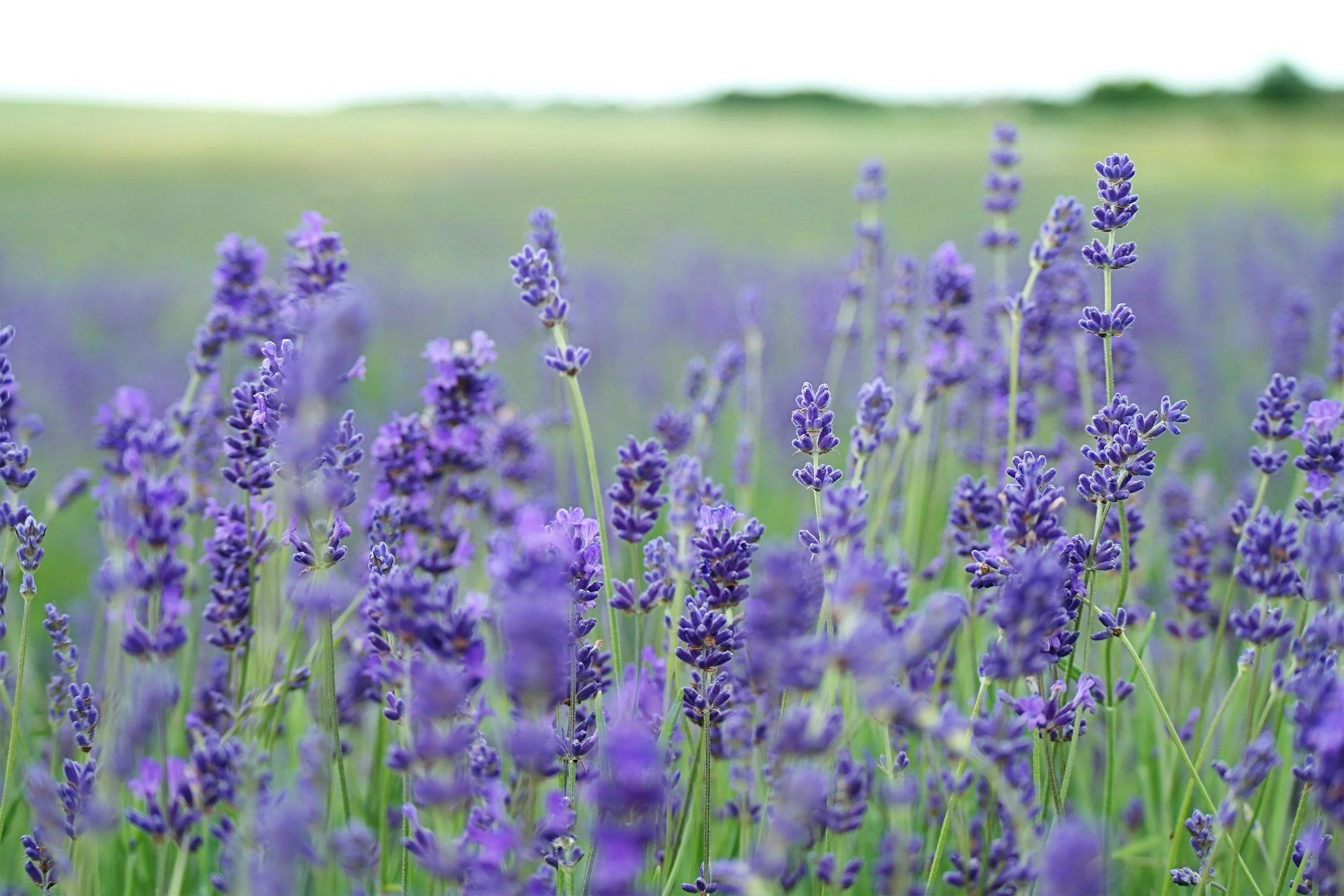
Mayfield Lavender Farm
A Journey Through Purple Heritage at Mayfield Lavender Farm
For many, the sight of a shimmering violet field is synonymous with the rolling hills of Provence. However, just 15 miles from Central London lies a 25-acre organic oasis that tells a much more local story. Mayfield Lavender Farm in Banstead is more than a picturesque backdrop for photographers; it is a living monument to the "Mitcham Blue" legacy that once dominated the global fragrance industry.
Understanding the history of this site reveals a tale of corporate defiance, Victorian prestige, and a triumphant return to nature. Whether you are arriving via a London transfer service for a summer day trip or exploring the Surrey Downs, the following insights will transform your visit into a deep dive into British botanical history.
The "Mitcham Blue" Legacy: A 300-Year Heritage at Mayfield Lavender Farm
In the 18th and 19th centuries, the areas of Banstead, Mitcham, and Carshalton were the epicenter of the global lavender trade. During this era, "Mitcham Lavender" was a brand of unparalleled prestige, considered far superior to French varieties due to the cooler British climate, which produced a more intense and refined essential oil profile.
The Victorian Golden Age
At its peak, the region was a patchwork of violet. English lavender fetched up to 16 times the price of its French counterparts. It was a favorite of Queen Victoria, who reportedly preferred her Sunday lamb served with lavender jelly. By the mid-1900s, however, the dual threats of rapid suburbanization and the rise of synthetic fragrances nearly wiped this heritage from the map, as fields were paved over for housing.
A Unique Insight: The Rebirth of Banstead
The revival of the current site was an act of "corporate rebellion." Brendan Maye, then a Managing Director for the fine fragrance division of Wella (which owned the heritage brand Yardley), proposed planting the farm to prove that English lavender was still relevant. When his board rejected the idea, he took a personal risk, securing the lease on the original Victorian fields in 2002 to restore the region’s geographical identity.
Botanical Architecture: The Life of the Lavender
Visiting Mayfield Lavender Farm in 2026 allows you to see the result of years of painstaking propagation. The farm grows three distinct varieties of lavender, each with its own historical and practical significance.
The Struggle of the Plugs
The farm's early days were not easy. In 2002, the first 70,000 "plugs" (young plants) were devoured by local crows and magpies within days of planting. Undeterred, the team replanted the following year, eventually achieving the undulating purple expanse seen today.
Insight: The "Drunken" Bee Phenomenon
An "insider truth" that many visitors notice is the behavior of the resident bees. Because the farm is Soil Association Certified Organic, it has become a sanctuary for local biodiversity. You may notice the bees seem unusually docile or "lazy." This is due to the high concentrations of linalool in the lavender, which acts as a mild sedative for the insects, allowing them to drift through the rows in a peaceful, almost hypnotic state.
Planning Your 2026 Visit: Essential Information
The farm is a seasonal spectacle, and timing is everything to experience the full intensity of the color and scent.
2026 Opening Details
Season Dates: The farm is scheduled to open from June 6th to August 23rd, 2026.
Peak Bloom: For the most vivid purple hues, plan your visit between late June and July.
Hours: Typically 9:00 am to 6:00 pm daily, with extended "Golden Hour" sessions often available on weekends in July for photographers.
Unique On-Site Experiences
The Lavender Locomotive: Take a ride on "Looby Loo," the farm’s tractor-train, for a unique perspective of the 25-acre expanse.
Gastronomy: Don't miss the lavender-infused cream teas or the signature lavender cider—a modern twist on the historic use of lavender in British culinary arts.
The Red Phone Box: The iconic K6 telephone box in the field is more than an Instagram spot; it serves as a symbolic dialogue between 20th-century industrial Britain and its agrarian past.
Getting to the Fields
Located in Banstead (SM7 3JA), the farm is easily accessible but can be busy during peak weekends. To avoid the stress of local parking and public transport connections, many visitors choose a dedicated private hire service. This ensures you arrive comfortably and can spend your day fully immersed in the aromatherapy of the fields rather than navigating traffic.
-
The farm is scheduled to be open from June 6th to August 23rd, 2026. For the most vibrant "purple" experience, aim for July, when the lavender is typically in peak bloom. If you want to avoid the largest crowds, we recommend a weekday morning or booking a private London transfer service to arrive exactly when the gates open at 9:00 AM.
-
For the 2026 season, entry for adults (12+) is £7.50, while children aged 5–11 are £2.50 (under 5s are free). While tickets can often be purchased at the gate, we recommend checking their official site for peak weekend pre-bookings. Remember, parking is included with your entry fee, but the on-site lot has a very limited capacity.
-
Dogs: Yes! Well-behaved dogs are welcome but must be kept on a lead at all times.
Picnics: No picnics are permitted on the farm to protect the organic lavender and local wildlife. However, the al fresco café offers delicious lavender-infused treats and cider.
-
The farm provides disabled parking adjacent to the café and shop. While much of the 25-acre site is relatively flat, the ground can be uneven. For a comfortable journey from your home or hotel, UK Airport Transfer Services offers spacious 8-seater MPVs and Executive vehicles that can easily accommodate folding wheelchairs and ensure a smooth, door-to-door experience.
-
Public transport involves a combination of trains and buses (like the 166 from West Croydon), which can take over 90 minutes from Central London. The most efficient way to visit is by road.
The Stress-Free Option: Book a private hire transfer with us. We offer fixed-rate journeys that avoid the uncertainty of bus schedules and the hassle of hunting for a parking spot when the farm is busy.
-
Absolutely. If you are arriving in the UK and want to head straight to the purple fields, our airport transfer service is the perfect choice. We provide:
Real-time flight monitoring (we know if you’re early or delayed).
Meet & Greet at the arrivals hall.
Luggage assistance, so you can enjoy the lavender without worrying about your bags.