
The Cotswolds AONB: A Timeless Journey Through the Heart of England
The Cotswolds Area of Outstanding Natural Beauty (AONB)—recently redesignated as a National Landscape—is far more than a collection of picturesque villages. It is a sprawling, 790-square-mile testament to the enduring relationship between humanity and the earth. Extending across five counties—Gloucestershire, Oxfordshire, Warwickshire, Wiltshire, and Somerset—it remains the largest AONB in England and Wales, a sanctuary where the 21st century feels like a distant rumor.
To truly understand the Cotswolds in 2026, one must peel back the layers of golden limestone to find the Jurassic seas, the Roman legions, the medieval wool merchants, and the artistic radicals who shaped this land. This is the definitive exploration of Britain’s most cherished landscape.
1. The Geological Genesis: A Gift from the Jurassic
The story of the Cotswolds began approximately 185 million years ago. During the Jurassic period, this region lay near the equator, submerged beneath a warm, shallow tropical sea.
The Oolitic Limestone
The bedrock of the region is Oolitic limestone. This stone is composed of "ooliths"—tiny, spherical grains formed by layers of calcium carbonate. This geological quirk is responsible for the famous "honey-colored" stone that defines every cottage, manor, and dry-stone wall in the region. Depending on where you are, the stone shifts in hue:
North Cotswolds: Deep, rich iron-gold (seen in Chipping Campden).
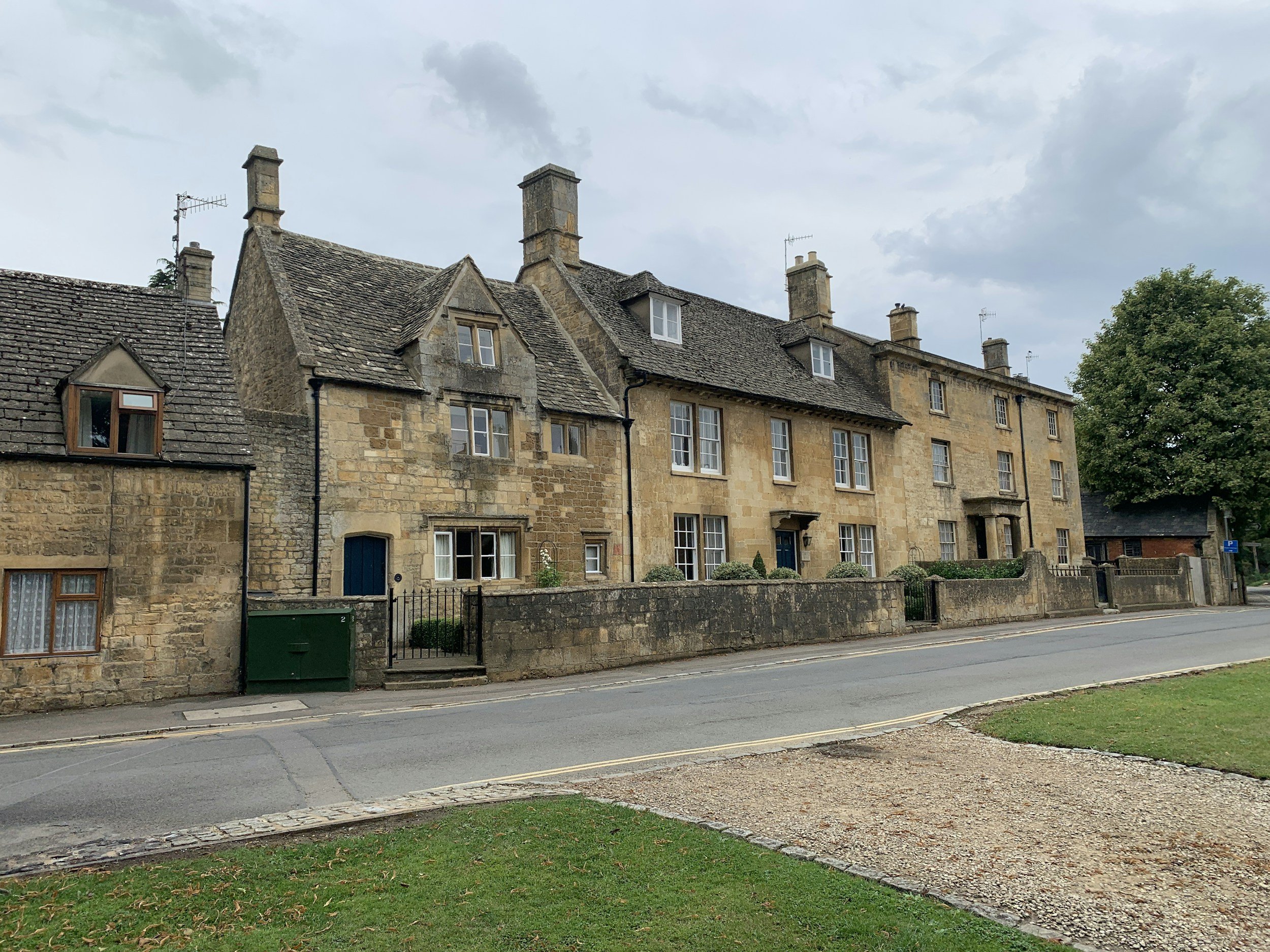
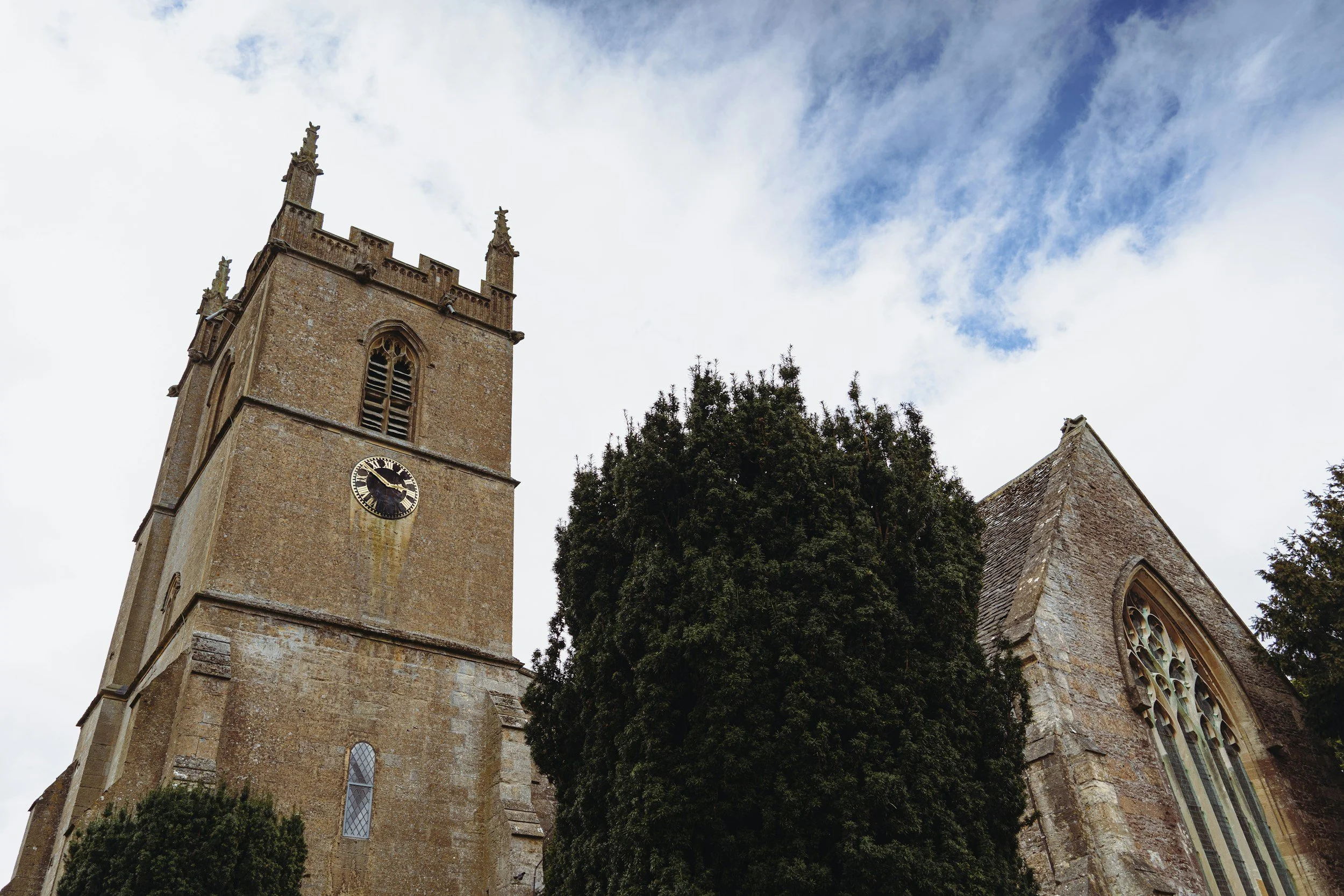
Central Cotswolds: Creamy, pale yellow (seen in Stow-on-the-Wold).
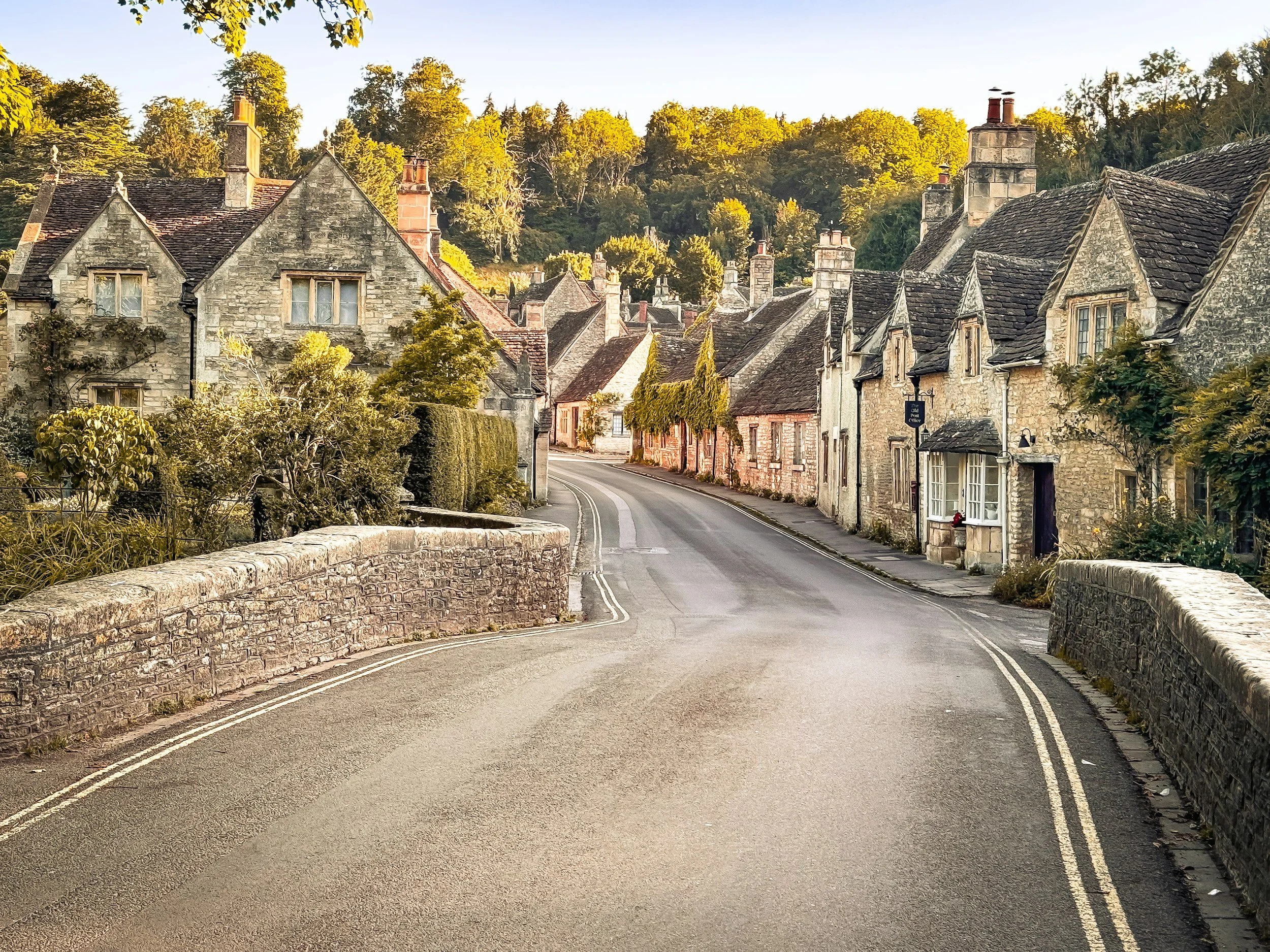
South Cotswolds: Silvery-grey (seen in Bath and Castle Combe).
The Escarpment and the Vales
Geographically, the Cotswolds are a tilted plateau. To the west, the Cotswold Edge forms a dramatic limestone escarpment that plunges 1,000 feet toward the Severn Valley. To the east, the land slopes gently toward the Thames Valley. This tilt creates a unique microclimate and a series of "Hidden Valleys" or "Combes," carved out by the springs that feed the Thames.
2. A Chronology of Civilization: The History of the High Wolds
The human history of the Cotswolds is a cycle of boom and bust, dictated by the landscape itself.
The Neolithic Architects
Long before the Romans, Neolithic farmers recognized the defensive and spiritual value of the Cotswold heights. Sites like Belas Knap (a false-entrance long barrow) and the Rollright Stones prove that this was a significant ritual landscape over 5,000 years ago.
The Roman Influence
The Romans transformed the region into a hub of civilization. They founded Corinium Dobunnorum (Cirencester), which grew to be the second-largest city in Roman Britain. The Fosse Way, a masterwork of Roman engineering, still runs through the region, a perfectly straight line that connected Exeter to Lincoln.
The Era of the "Golden Fleece"
In the Middle Ages, the Cotswolds became the powerhouse of the English economy. The local "Cotswold Lion" sheep produced wool so high in quality that it was known as the "Golden Fleece." The wealth from the wool trade was so immense that merchants built "Wool Churches"—vast, cathedral-like structures in tiny villages like Northleach, Cirencester, and Fairford.
The Industrial "Pause"
When the Industrial Revolution shifted to the coal-rich North, the Cotswolds were largely bypassed. This economic "stagnation" was the region's ultimate savior. While other parts of England were demolished for factories, the Cotswold villages remained frozen in time, preserved in stone until the dawn of modern tourism.
3. Natural Beauty: Biodiversity and the 2026 Landscape
The Cotswolds are a bastion for British wildlife. In 2026, conservation efforts have intensified to protect the rare limestone grasslands that support:
The Pasqueflower: A rare, purple bloom found on the steep escarpments in spring.
The Duke of Burgundy Butterfly: A species that thrives in the ancient, scrubby grasslands.
Ancient Woodlands: Areas like Westonbirt Arboretum and the Wychwood Forest offer a glimpse into the primeval forests that once covered the island.
The River Windrush and River Coln remain two of the purest chalk streams in England, where brown trout dart under the low stone bridges of Bourton-on-the-Water and Bibury.
4. Famous Faces: The Cotswold Muse
The region has long been a retreat for thinkers, rebels, and icons.
William Morris: The Victorian visionary lived at Kelmscott Manor. He believed the Cotswolds represented the "ideal" England, where craft and nature coexisted.
Laurie Lee: His memoir Cider with Rosie immortalized the Slad Valley, describing a world that was "ending just as I arrived."
The Mitford Sisters: The famous (and infamous) sisters lived at Asthall Manor, their lives filled with the wit and tragedy that defined the mid-20th century.
King Charles III: At Highgrove House, the King has spent decades practicing sustainable farming and organic gardening, influencing the 2026 standards for local land management.
5. Navigating the 2026 Season: The Private Tour Advantage
The greatest challenge of the Cotswolds is its popularity. In 2026, the most famous spots—like Arlington Row—can be crowded. This is where UK Airport Transfer Services provides a unique advantage.
The 10-Hour Car Disposal
A private driver is not just a luxury; it is a strategic necessity for the Cotswolds.
Punctuality: We arrive at the "honeypot" villages at 8:00 AM, before the first tour buses appear.
Accessibility: We use smaller, executive vehicles to navigate the "B-roads" and single-track lanes leading to Snowshill or The Slaughters.
Bespoke Routes: If you want to skip the crowds for a quiet walk through the Duntisbourne villages, your driver has the local knowledge to make it happen.
🧭 Why the Cotswolds AONB Matters in 2026
In an increasingly digital and fast-paced world, the Cotswolds offer a "slow-travel" sanctuary. It is a place where you can touch stone that was at the bottom of a sea 185 million years ago, walk a road built by a Roman soldier 2,000 years ago, and have a pint of ale in a pub that has been open since the 14th century.
It is a landscape of continuity. Whether you are exploring the "Dreaming Spires" of the north or the silvery elegance of the south, the Cotswolds remain England’s most enduring masterpiece.
Need a transfer to or from a London airport?
Fixed-price private hire from Heathrow, Gatwick, Stansted, Luton and London City Airport — door to door, free flight monitoring, no hidden fees.
Get a quote →