
Most Beautiful Villages In Cotswolds
The Cotswolds is an Area of Outstanding Natural Beauty that feels like a living illustration of England’s heritage. Defined by its honey-colored Jurassic limestone and rolling "wolds," this region rose to global prominence during the Middle Ages as the heart of the European wool trade. Today, the most beautiful villages Cotswolds has to offer are not just picturesque retreats but historical archives of a time when "Cotswold Lion" sheep were the backbone of the British economy.
Whether you are arriving from a long-haul flight via a Heathrow airport transfer or planning a weekend escape, these villages offer unique insights that transcend the standard tourist trail. From prehistoric hoards to cinematic cameos, exploring these hamlets is a deep dive into the soul of the English countryside.
Castle Combe: The Village Where Time Stood Still at Castle Combe
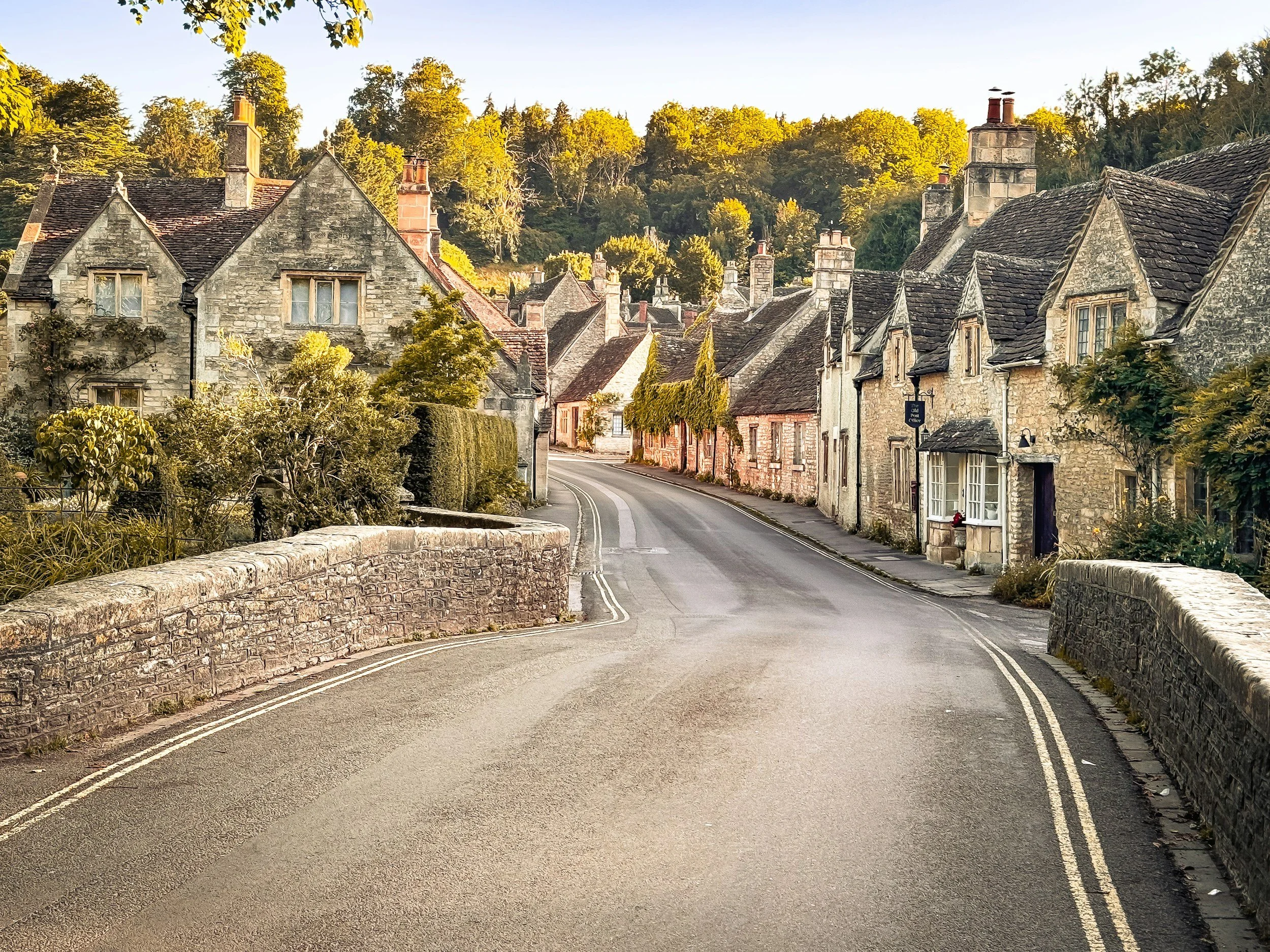
Often cited as the "prettiest village in England," Castle Combe is a marvel of preservation. Located in the southern Cotswolds, its most striking feature is that no new houses have been built in the lower village since the 1600s.
The Fulling Mills and the Bybrook
The village’s wealth was built on the Bybrook river, which powered the "fulling" mills used to clean and thicken wool. A unique insight into its preservation lies in the 16th century: when the river’s water level dropped, the cloth industry moved away, inadvertently freezing the village in time. Today, the lack of telegraph poles and TV aerials (all wiring is buried underground) makes it a favorite for directors, featuring in films like War Horse and Stardust.
The Faceless Clock
While visiting, look for St Andrew’s Church. It houses a "faceless" clock, an early medieval timepiece built by a local blacksmith. It is reputed to be one of the oldest working clocks in the country, ticking away since the 14th century without a dial to show the time.
Bibury: The Most Beautiful Village in England at Bibury
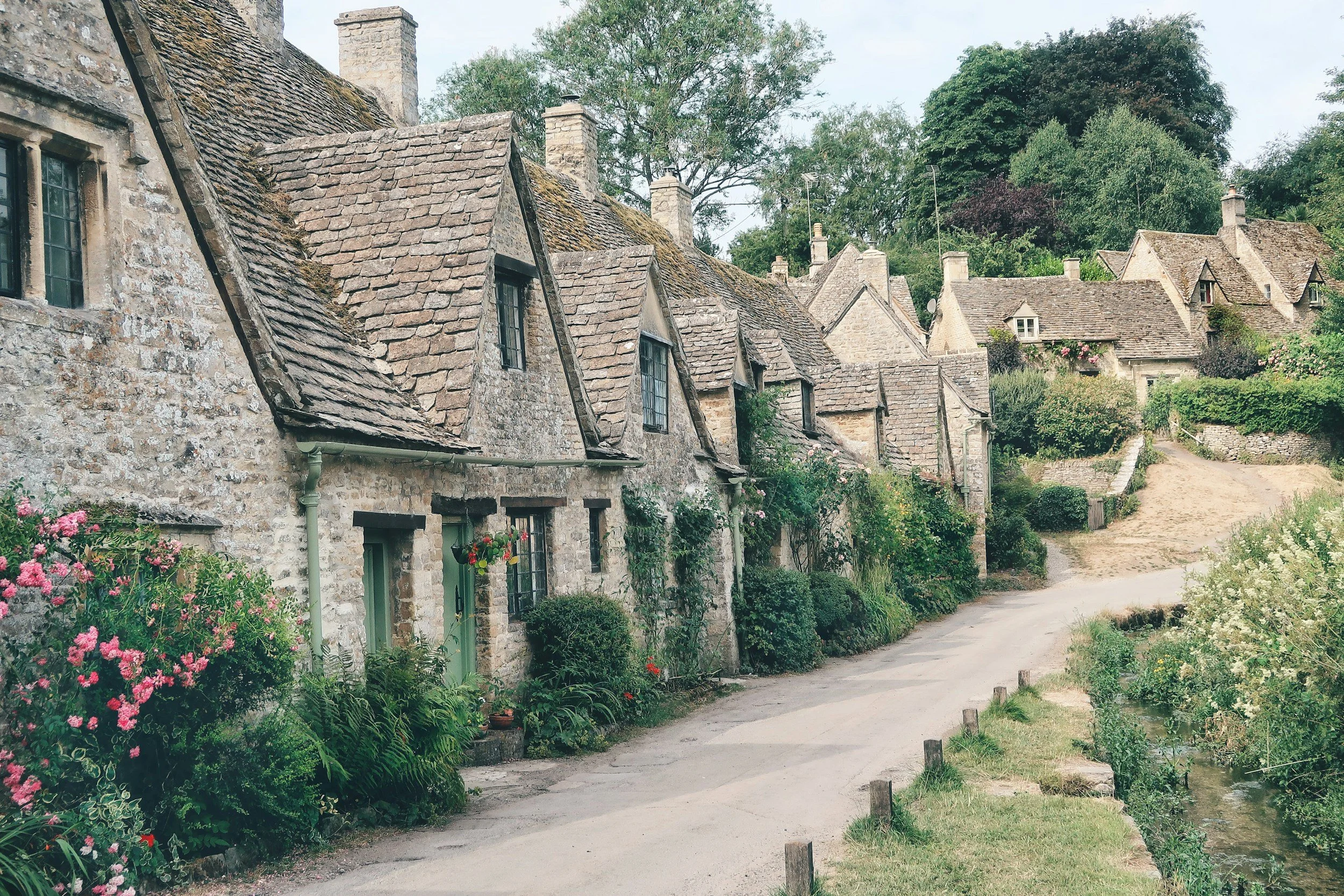
William Morris, the famous 19th-century designer, famously crowned Bibury as the "most beautiful village in England." Its centerpiece, Arlington Row, is so iconic that it appears on the inside cover of all British passports.
From Monastic Stores to Weavers' Cottages
The cottages of Arlington Row date back to 1380, originally built as a monastic wool store. In the 17th century, they were converted into weavers' houses. The unique insight here is "Rack Isle," the boggy water meadow in front of the row. It earned its name because weavers would hang their heavy cloth on wooden "racks" here to dry after it had been degreased at the nearby mill.
The Emperor’s Visit
Bibury has a surprising connection to Japan. In 1921, Emperor Hirohito (then Crown Prince) stayed in the village during his European tour. His fondness for the area sparked a decades-long tradition of Japanese tourism to Bibury that continues to this day.
Bourton-on-the-Water: The Venice of the Cotswolds at Bourton-on-the-Water
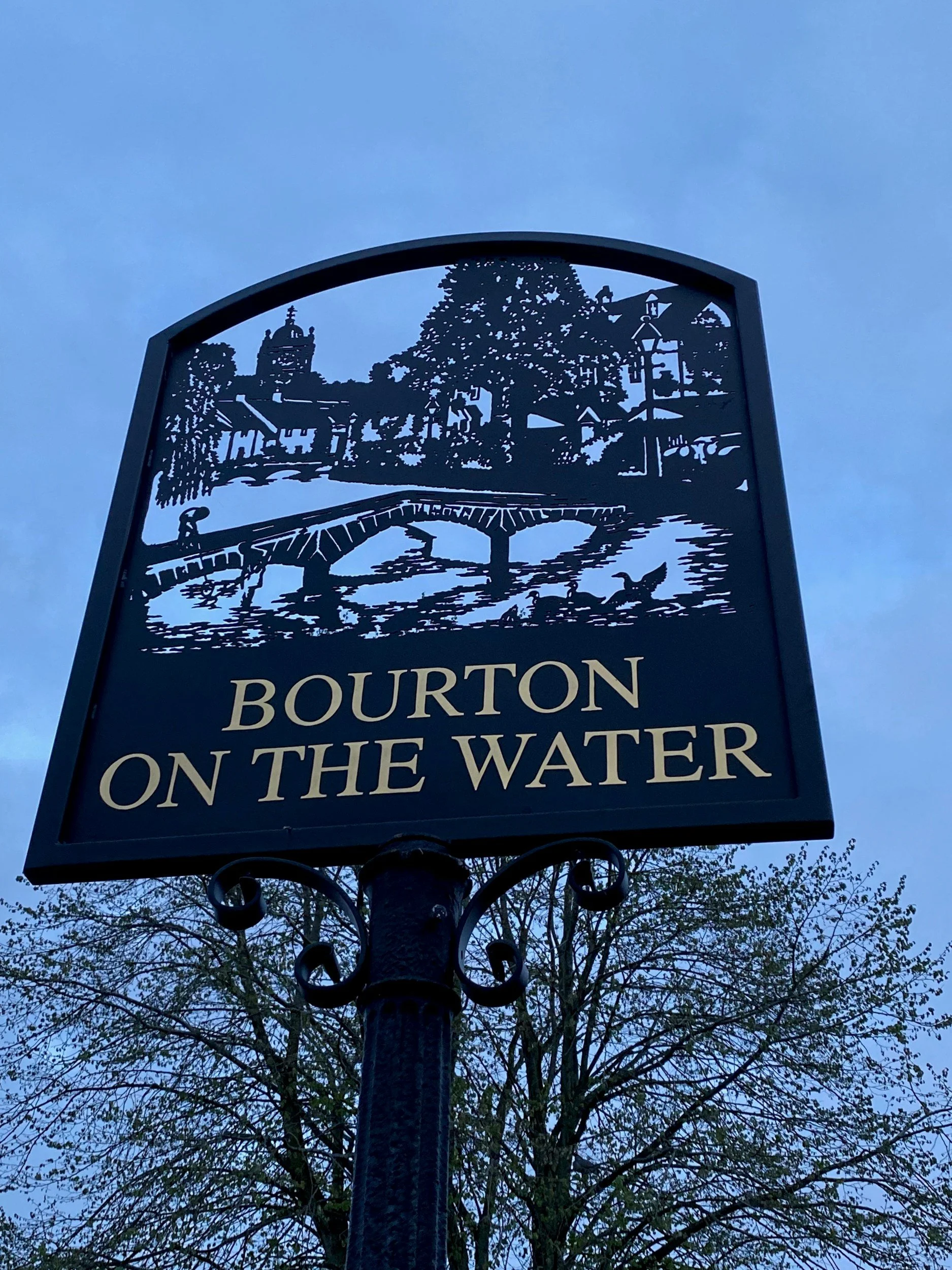
Known for the five low-arched stone bridges that span the River Windrush, Bourton-on-the-Water offers a vibrant, water-focused perspective on the most beautiful villages Cotswolds provides.
A Roman and Neolithic Hub
While the village is famous for its 1930s Model Village (a 1/9th scale replica of itself), its history goes much deeper. It sits directly on the Fosse Way, an ancient Roman road. Archaeological excavations at nearby Salmonsbury Camp have uncovered currency bars from the Iron Age, proving this has been a center of trade for over 4,000 years.
The Football in the River
A unique insight into local culture is the annual "Football in the River" match held every August. For over 100 years, the local team has played a full match standing in the shallow waters of the Windrush, a quirky tradition that embodies the village's playful relationship with its geography.
Stow-on-the-Wold: Where the Wind Blows Cold at Stow-on-the-Wold
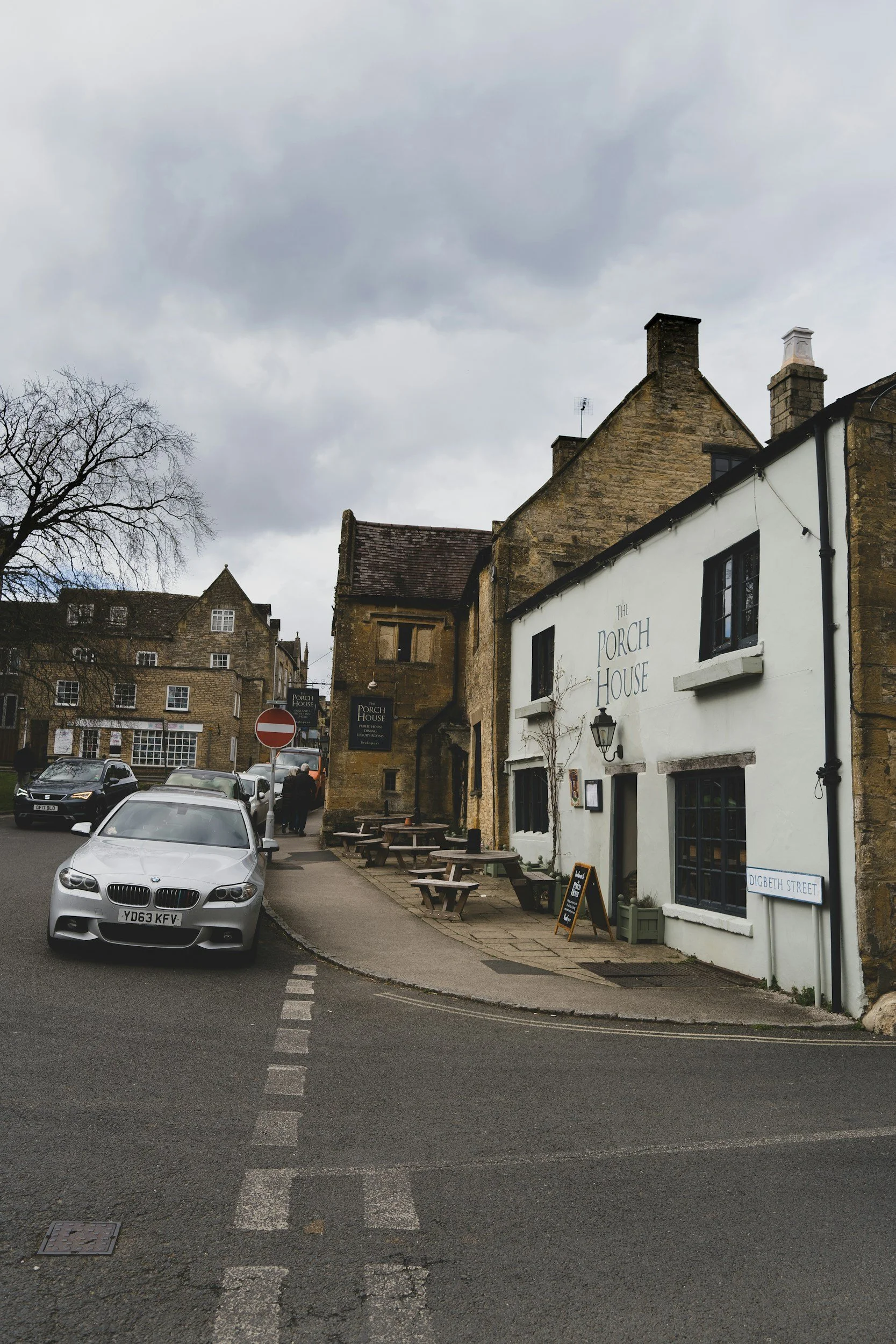
Perched 800 feet above sea level, Stow-on-the-Wold was once the busiest market town in the region, with records of up to 20,000 sheep being sold in its square in a single day.
The Tolkien Connection
The north door of St Edward’s Church is perhaps the most photographed door in the UK. Flanked by two ancient, gnarled yew trees that have grown into the stonework, it is widely rumored to be the inspiration for J.R.R. Tolkien’s "Doors of Durin" in The Lord of the Rings. While never fully authenticated, the professor was a frequent visitor to the area.
A Civil War Landmark
The town was the site of the final battle of the first English Civil War in 1646. After the Royalist defeat, the church was used as a temporary prison for 1,500 soldiers. This somber history provides a stark contrast to the boutique shops and tea rooms that fill the market square today.
Snowshill: A Collector’s Dream at Snowshill
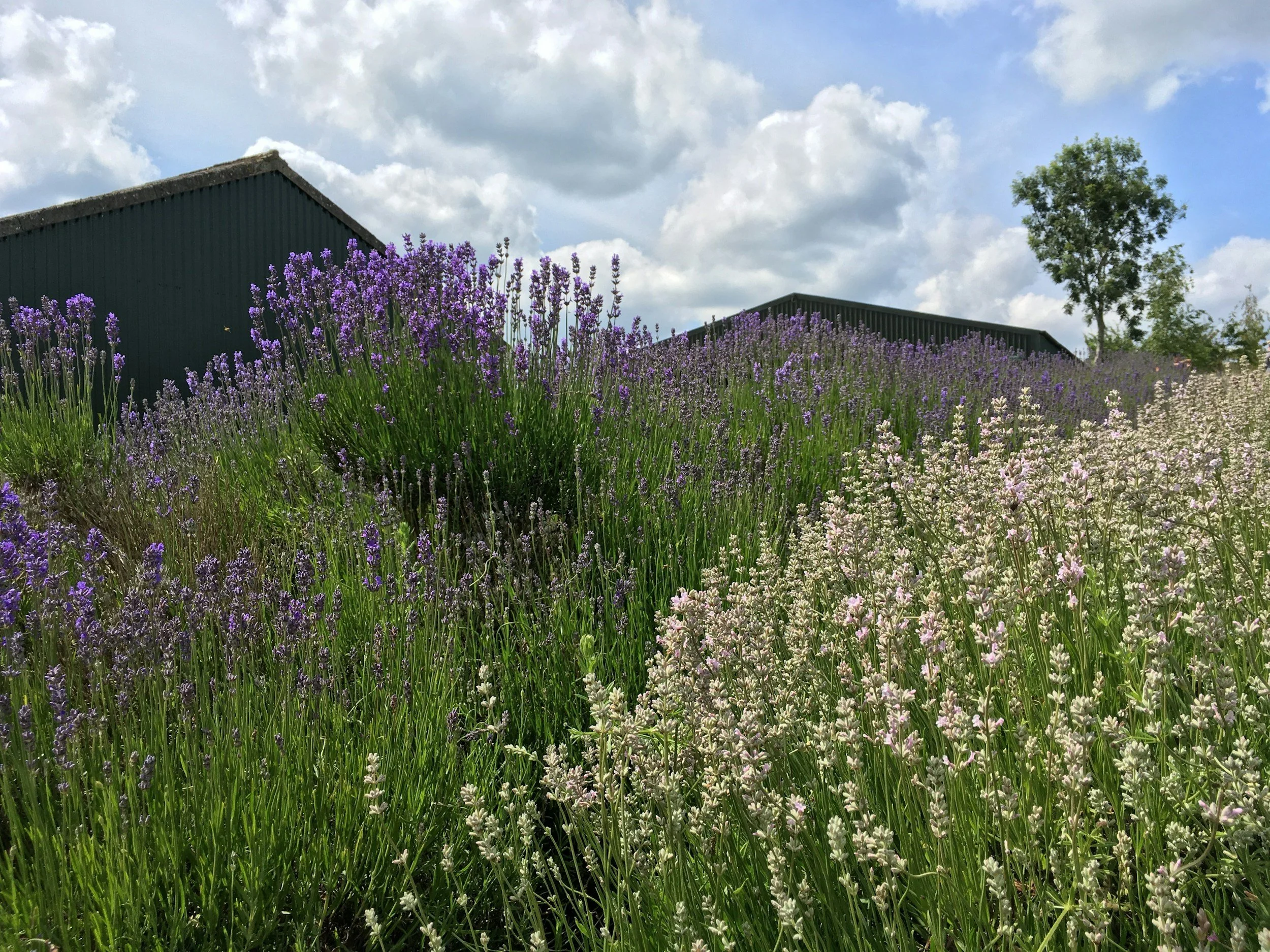
Tucked away on a steep escarpment, Snowshill is a hidden gem that often escapes the larger coach tours due to its narrow access roads.
The Eccentricity of Charles Wade
The village is dominated by Snowshill Manor, a National Trust property that houses the extraordinary collection of Charles Paget Wade. He spent his life filling the house with over 22,000 "objects of craftsmanship," from Samurai armor to vintage bicycles. His motto, "Any more for the Skylark?", reflected his playful spirit.
Strategic Travel: Exploring the Cotswolds in Comfort
The most beautiful villages Cotswolds has to offer are best explored at a leisurely pace. Public transport between these rural hamlets can be infrequent, and the narrow lanes are often daunting for visitors.
UK Airport Transfer Services provides a professional sightseeing tour service that allows you to see these landmarks without the stress of navigation.
Fixed Pricing: Enjoy a full day of exploration at rates significantly lower than a standard London Black Cab.
Family Safety: We provide child, infant, and booster seats, making us the ideal choice for family heritage trips.
Door-to-Door Ease: We can pick you up from any London airport or hotel and guide you through the "hidden" backroads that tour buses cannot access.
Need a transfer to or from a London airport?
Fixed-price private hire from Heathrow, Gatwick, Stansted, Luton and London City Airport — door to door, free flight monitoring, no hidden fees.
Get a quote →