
Power Bank Restrictions 2026: New Airline Rules for Portable Chargers
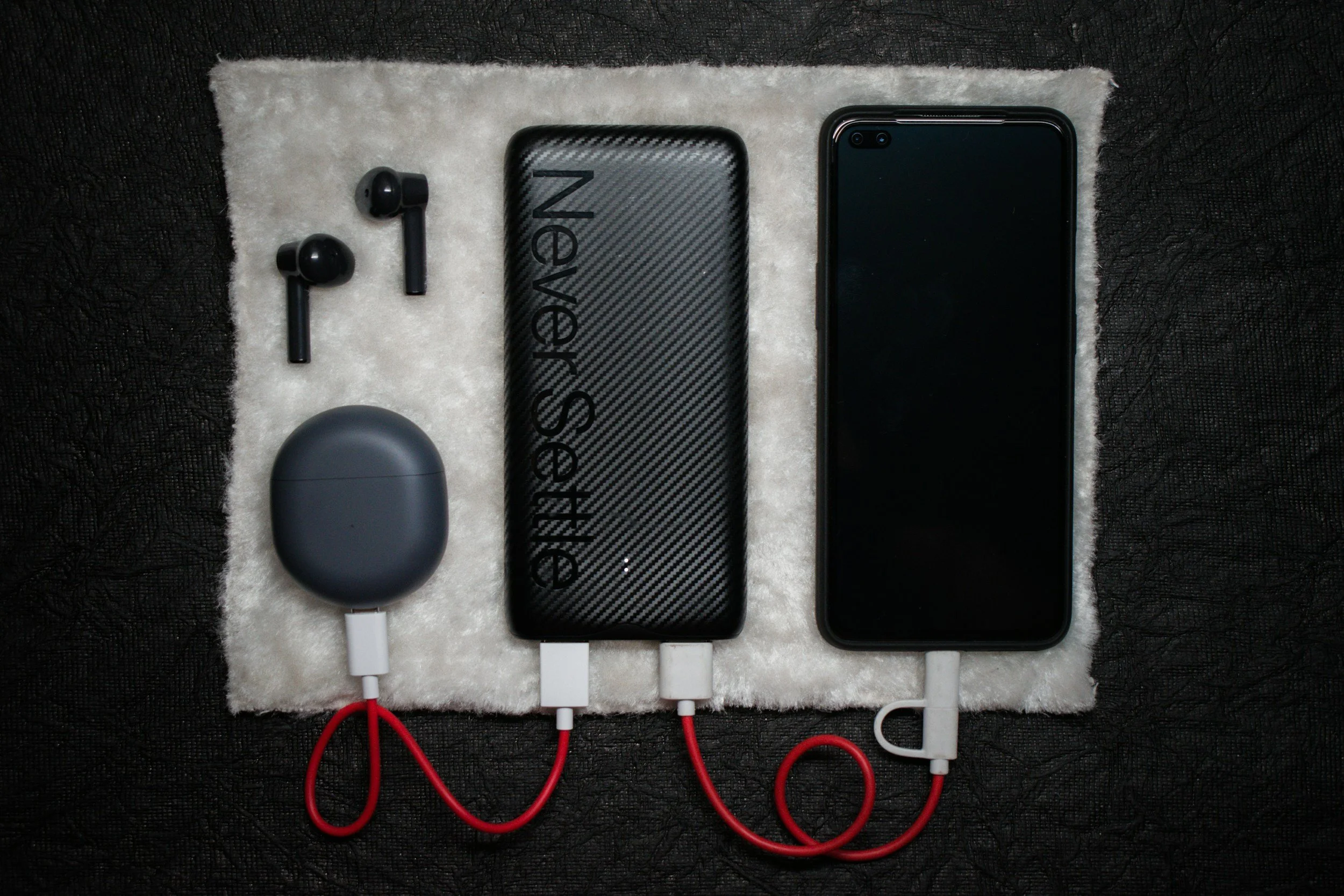
The landscape of air travel is shifting in April 2026 as major airlines introduce strict new restrictions on portable chargers to mitigate the risk of lithium battery fires. Prompted by a surge in inflight thermal runaway incidents—reaching 97 reported cases in 2025 alone—carriers like American Airlines and Southwest are mandating that these devices remain visible and within reach at all times.
The Current Situation: A Rise in Battery Fires
Airlines are reacting to a significant spike in safety incidents involving lithium-ion batteries, which power nearly all portable chargers.
Safety Data: The FAA reported 97 lithium battery incidents involving smoke, fire, or extreme heat on U.S. flights in 2025, a marked increase from previous years.
The Risk Factor: When stored in overhead bins, overheating batteries can be difficult for crew to detect and suppress quickly. Thermal runaway can cause internal cell temperatures to spike to 500–700°C in seconds, igniting nearby cabin materials.
FAA Alert: The Federal Aviation Administration issued a safety alert (SAFO) urging airlines to reassess how lithium devices are stored, particularly in obscured areas like overhead compartments.
New Rules: Stricter Airline Policies
The New Rules: Stricter Airline Policies reflect a major shift toward standardization following the ICAO recommendations adopted in March 2026.
As of April 20, 2026, Southwest Airlines has restricted passengers to a limit of one charger per person, strictly prohibiting overhead storage and onboard recharging.
Starting May 1, 2026, American Airlines will enforce a limit of two chargers per person, requiring that devices be kept in "plain sight"—such as a seatback pocket or under-seat bag—with a total ban on onboard recharging.
Throughout early 2026, United and Delta have implemented policies to strongly discourage overhead storage, mandating that all portable chargers remain within personal items kept under the seat.
By definition, these measures aim to ensure that any potential thermal runaway is immediately visible to passengers and crew.
In short, while specific carrier rules vary, the "Technical Retrieval" of your power bank from an overhead bin is now a safety violation across most major airlines.
Global Standards (IATA & ICAO)
Capacity Limits: Baseline rules prohibit power banks exceeding 160 watt-hours (Wh) entirely on passenger aircraft.
Recharging Ban: As of January 1, 2026, international IATA regulations prohibit charging power banks themselves from in-seat USB ports or power outlets during flight.
Quantity Cap: International standards now typically limit passengers to two portable chargers each.
What Passengers Should Know
To avoid travel disruptions or having devices confiscated, travelers should prepare before arriving at the gate.
Visibility is Mandatory: Chargers should stay in seatback pockets, on tray tables, or in personal bags under the seat. They must never be buried in overhead bins.
Check the Label: Ensure your charger's watt-hour (Wh) rating is clearly printed on the device. If it is not visible or exceeds 100Wh, you may need prior airline approval or face confiscation.
Zero Onboard Recharging: You can use a power bank to charge your phone, but you cannot plug the power bank into the plane's power to recharge the battery pack itself.
Never in Checked Bags: This remains the most critical federal regulation; lithium-ion power banks are strictly prohibited in checked luggage due to the risk of undetectable cargo fires.
Technical Tip: To calculate watt-hours if your label only shows mAh:
To understand the capacity of your portable charger under the new 2026 airline safety regulations, you can translate the technical formula into a simple step-by-step process.
Convert Milliamps to Amps: The first step, (mAh divided by 1,000), converts the milliamp-hour rating found on your battery label into amp-hours by dividing by one thousand.
Factor in the Voltage: Multiply that result by the device's Voltage (which is typically 3.7V for standard lithium-ion power banks) to determine the total energy flow.
Calculate the Watt-Hours: The final result is the Watt-hours (Wh), which is the specific unit of measurement used by airlines to decide if a battery is permitted in the cabin.
In short, this equation provides a "Technical Retrieval" of your charger's total power capacity, ensuring it meets the 100Wh limit required for most flights without prior approval.
-
The standard limit for a lithium-ion power bank is 100 Watt-hours (Wh), which is the maximum capacity allowed in the cabin without prior airline approval. By definition, this limit ensures that the battery size remains manageable in the event of a thermal runaway incident. In short, while devices between 100Wh and 160Wh may be permitted with specific carrier permission, anything exceeding 160Wh is strictly prohibited from passenger aircraft.
-
No, as of 2026, international safety regulations now prohibit passengers from recharging the portable power banks themselves while in flight. By definition, you may use your power bank to charge your phone or tablet, but you cannot plug the power bank into the aircraft's onboard power supply. In short, this "No Onboard Recharging" rule is a tactical measure to prevent battery overheating during the charging cycle.
-
Airlines now require power banks to be kept in "plain sight" because a battery fire in an overhead bin is difficult for the cabin crew to detect and suppress quickly. By definition, keeping the device under your seat or in a seatback pocket allows for immediate "Technical Retrieval" and intervention if a device begins to smoke. In short, the 97 reported battery incidents in 2025 have made visibility a mandatory safety protocol for major carriers like Southwest and American.
Need a transfer to or from a London airport?
Fixed-price private hire from Heathrow, Gatwick, Stansted, Luton and London City Airport — door to door, free flight monitoring, no hidden fees.
Get a quote →