
If you're sailing from the Port of Southampton, two questions almost always come up first: what time does my ship actually dock or leave, and which berth am I going to. Southampton runs multiple cruise terminals side by side, several cruise lines sail on the same day, and the southampton cruise port schedule isn't published anywhere as one single public timetable — which is exactly why so many passengers end up confused the week before they travel.
This guide pulls it all together: how to check southampton cruise terminal departures and southampton cruise terminal arrivals in real time, which berth your cruise line typically uses, what actually happens on embarkation and disembarkation day, and how to plan your journey to the terminal so you're not the person sprinting across the car park with a suitcase.
How to Check Southampton Cruise Terminal Departures and Arrivals in Real Time
Unlike an airport, the port doesn't run one central live departures board that the public can check online. Instead, your southampton cruise terminal schedule information comes from a handful of live sources, and it's worth checking more than one:
Your cruise line directly. Your booking confirmation, cruise line app, or "manage my booking" portal will state your official check-in window and all-aboard time — this is the number that actually matters for your journey, not a generic port time.
Southampton VTS — official Shipping Movements & Cruise Ship Schedule. Run by Associated British Ports (ABP), this is the closest thing to an official southampton cruise port schedule — it lists vessels planned to arrive, depart, or move within the port over the next few days, alongside ships currently alongside and those already sailed.
VesselFinder — Port of Southampton. A free, real-time AIS tracker showing current arrivals, departures and expected vessels for southampton cruise terminal departures today, plus weather for the days ahead.
MarineTraffic — Port of Southampton. Another widely used live ship-tracking map, useful for watching your vessel's position as it approaches the Solent on arrival day.
Southampton Ships. A passenger-friendly site that pulls together the live port schedule, a dedicated cruise schedule (searchable by date, showing which terminal each ship is moored at), a live ship map, and port webcams in one place.
The safest rule of thumb: treat your cruise line's stated check-in time as gospel, and use the live trackers above only to sanity-check whether your ship has actually arrived if you're being dropped early or picked up on disembarkation morning.
Which Berth Will Your Ship Use?
Southampton has several working cruise terminals, and which southampton cruise terminal you need depends entirely on your cruise line — not on the port as a whole. Berths do get reassigned from time to time, so always confirm against your cruise documents or check your ship's current berth on Southampton Ships' live cruise schedule before you travel. As a general pattern:
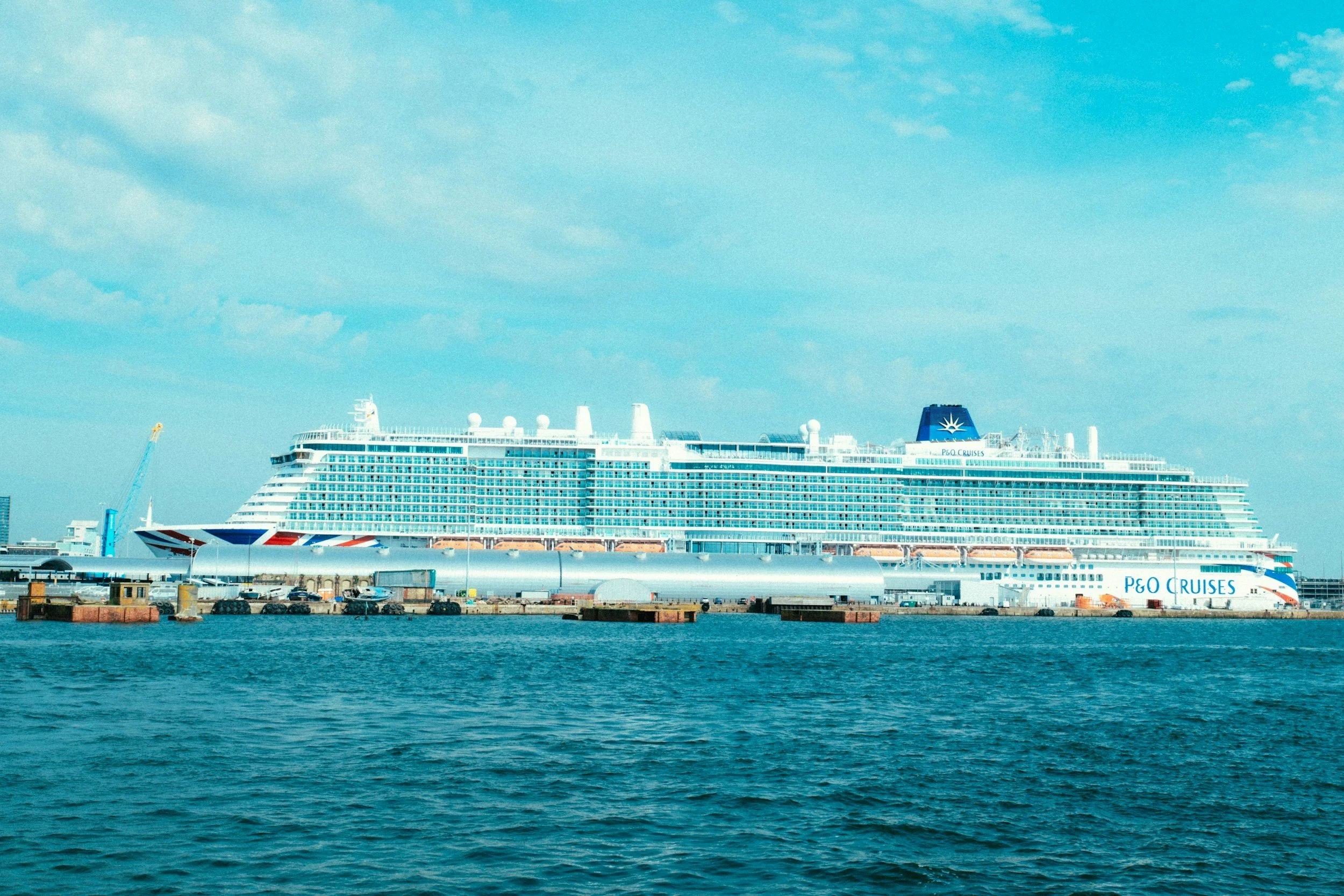
P&O Cruises — mainly Berth 46 (City Cruise Terminal) and Berth 106 (Ocean Terminal)
Cunard — usually Berth 46 or Berth 101 (Mayflower / QEII Terminal), depending on the ship
Princess Cruises — commonly Berth 46 or Berth 101
MSC Cruises — frequently Berth 101 (Mayflower Terminal)
Royal Caribbean — usually Berth 46 or Berth 106
NCL (Norwegian Cruise Line) — typically Berth 101 or Berth 46, depending on the sailing
Disney Cruise Line — usually Berth 46
Because Southampton is a genuinely busy port, it's not unusual for two or three ships from different lines to be in on the same day, each at a different terminal. If you're being met by a private transfer rather than driving yourself, this is exactly the kind of detail worth handing over in advance — a good driver will already know inside southampton cruise terminal logistics like which berth your ship uses and where the closest drop-off point actually is, rather than guessing on the day.
Southampton Cruise Terminal Departures: What Embarkation Day Looks Like
Embarkation day has a fairly predictable rhythm once you know it, even though your exact check-in slot will vary by cruise line and cabin category.
Morning at home. Most cruise lines open check-in from around late morning, with staggered arrival slots to avoid one huge queue. Your slot is usually chosen when you book online in advance — arriving earlier than your slot rarely gets you on board faster.
Arrival at the terminal. You'll be dropped at the terminal building for your specific berth, not a general "port entrance." Luggage is usually handed to porters at the kerb, checked in, and delivered to your cabin later that day — so keep essentials, medication and travel documents in your hand luggage.
Security and check-in. Bags go through security screening, followed by check-in where your documents and boarding details are verified and your cruise card is issued.
Boarding. Once cleared, you'll board and typically won't have access to your cabin immediately — most lines open cabins a little later in the afternoon, so many passengers head straight to the buffet or pool deck first.
All-aboard time. This is the one time on your itinerary that is non-negotiable. Missing it can mean missing the ship entirely, so build in a generous buffer for your journey to the terminal — traffic around the port and the M27/M3 corridor can be unpredictable, especially on a day when several ships are departing.
Southampton Cruise Terminal Arrivals: What Disembarkation Day Looks Like
Disembarkation tends to move faster than embarkation, but it still has a set order:
Early morning. The ship usually docks in the early hours, and you'll get a disembarkation letter the night before with your allocated time slot, based on things like your deck, whether you're doing a self-carry, and any onward flight you've flagged.
Waiting for your slot. You'll typically be asked to vacate your cabin by a set time and wait in a public area or lounge until your colour-coded or numbered group is called.
Leaving the ship and collecting luggage. If you didn't self-carry, you'll collect your case in a large arrivals hall, organised by luggage tag number — worth remembering which colour/number you were given.
Customs and terminal exit. After a straightforward walk-through, you'll exit into the terminal's public arrivals area, where pre-booked transfers, taxis and coaches wait.
The practical tip most people miss: if you have a flight booked for later that day, ask for one of the earliest disembarkation slots when you check in at the start of the cruise — it makes a real difference to how relaxed the rest of your travel day is.
Getting to the Terminal for Your Departure or Arrival Time
Whichever berth you're using and whatever time your ship sails, the journey to and from the terminal is the one part of the day that's entirely in your control. A pre-booked private transfer removes the two biggest variables — traffic and terminal confusion — because your driver already knows exactly which of the port's terminals you need and times your pickup around your actual check-in window or disembarkation slot, rather than a generic port arrival time.
Frequently Asked Questions
-
Your cruise line's app or booking portal is the most accurate source for your specific sailing. For a general view of what's moving in and out of the port, Southampton VTS publishes the official daily port schedule, while VesselFinder, MarineTraffic and Southampton Ships all show real-time vessel positions and a searchable cruise schedule.
-
Not in the way an airport publishes a departures board. Each cruise line manages its own check-in and boarding times, so the closest thing to a single schedule is checking your own booking confirmation alongside a live ship tracker.
-
It depends on your cruise line — for example, P&O and Royal Caribbean commonly use Berth 46 or Berth 106, while MSC, Cunard, Princess and NCL often use Berth 101. Berths can be reassigned, so always confirm the exact terminal on your cruise documents closer to your sailing date.
-
Arrive within your allocated check-in window rather than significantly earlier, but build extra time into your journey to the terminal itself — traffic on departure days, when several ships can be sailing at once, is the biggest risk to your schedule, not the check-in process.
-
Most ships dock in the early morning, with disembarkation starting a few hours later once customs and immigration formalities are cleared. Your exact slot is assigned the evening before, based on your deck and any onward travel you've registered.
-
Yes — Vessel Finder and MarineTraffic use the ship's AIS signal to show live position and estimated arrival time, which is useful if you're coordinating a pickup for disembarkation morning.
-
No. Southampton operates several separate cruise terminals across different berths, and which one you use depends entirely on your cruise line and, sometimes, the specific ship.
-
A pre-booked private transfer is the simplest option, since the driver already knows which berth corresponds to your cruise line and times the pickup or drop-off around your actual check-in or disembarkation slot rather than a generic port time.
