
The White Cliffs of Dover
A Private Car Disposal Tour of Iconic Coastal Views and the Historic Dover Castle
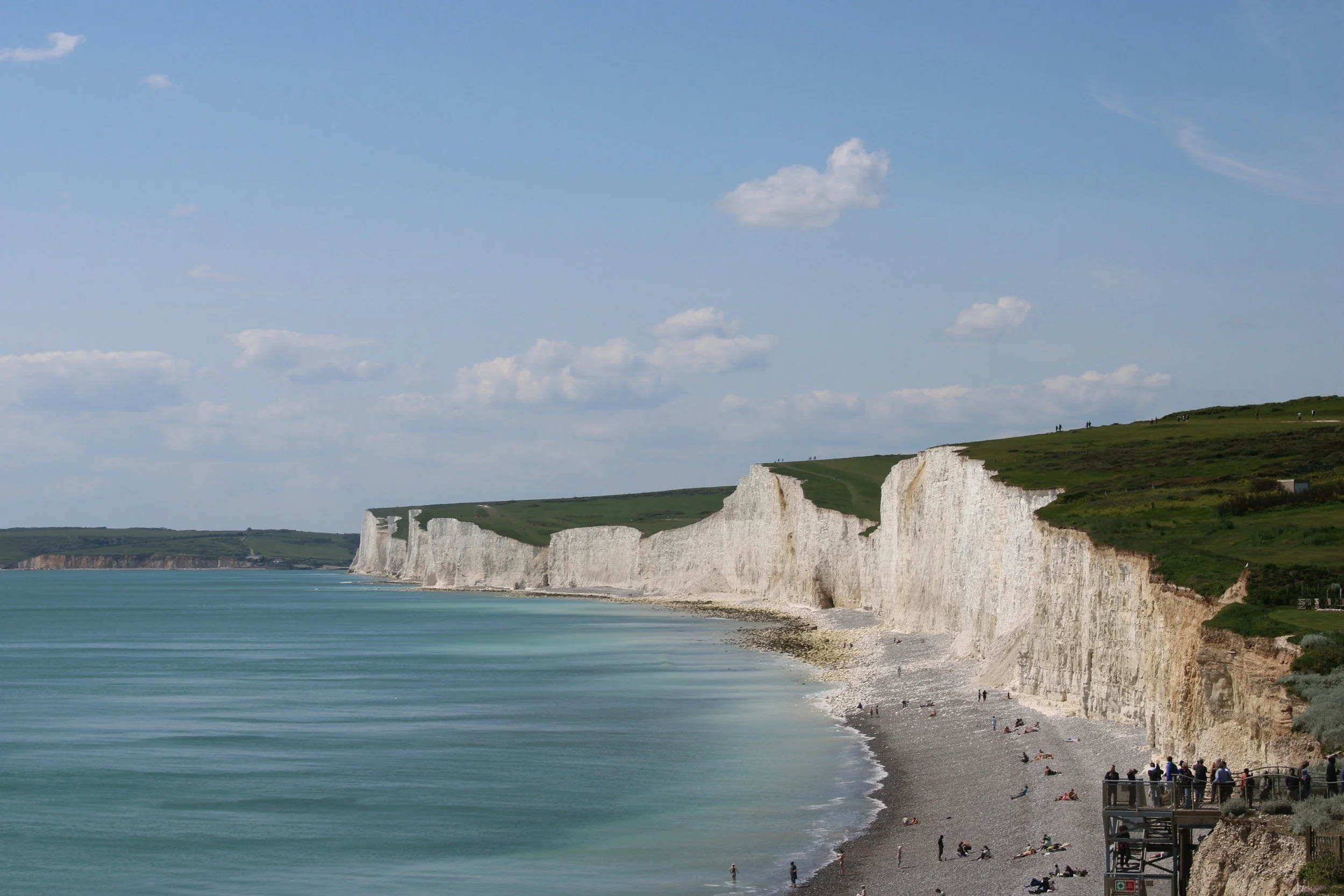
There is no sight more synonymous with the British spirit than the gleaming chalk face of the White Cliffs of Dover. For centuries, these precipices have served as the front door to England—a symbol of hope for returning sailors and a formidable rampart against invasion. Standing atop them, one feels the raw power of the English Channel and the weight of two millennia of history concentrated in the massive stone walls of Dover Castle. In 2026, as the Port of Dover introduces new eco-shuttles and the castle unveils its latest immersive WWII tunnels experience, an 8-hour private car disposal tour is the most efficient and prestigious way to experience this "Key to England."
Our White Cliffs of Dover private tour by UK Airport Transfer Services provides a dedicated executive vehicle and driver, ensuring you can navigate the steep coastal roads and sprawling castle grounds with absolute ease.
🧭 The 8-Hour Itinerary: Cliffs, Castles, and Command Centres with Car at Disposal
Total Duration: 09:00 AM – 5:00 PM
09:00 AM – 10:30 AM: The Dash to the Coast
Your driver will meet you at your London hotel. We head southeast through the rolling hills of Kent, the "Garden of England." Having a car at disposal allows you to bypass the crowded high-speed trains to Dover, providing a quiet, climate-controlled sanctuary where you can prepare for a day of bracing sea air and historical deep-dives.
10:30 AM – 1:30 PM: Dover Castle—The "Key to England"
Your first major stop is the most iconic fortress in Britain.
The Great Tower: Built by Henry II in the 1180s, the Great Tower has been restored to show the vibrant colors and luxury of a medieval royal court.
The Secret Wartime Tunnels: Take a unique insight into the "Operation Dynamo" experience. Walk the very tunnels where the evacuation of Dunkirk was masterminded in 1940. In 2026, new multi-sensory technology has been added to simulate the sights and sounds of the underground command center.
The Roman Pharos: See one of the oldest standing buildings in the UK—a Roman lighthouse dating back to the 1st century AD.
1:30 PM – 2:30 PM: A Coastal Lunch
Your driver can take you to the Dover Marina for fresh local seafood or to a traditional pub like The Cullins Yard, tucked into the cliffs with views of the bustling ferry port.
2:30 PM – 4:15 PM: The White Cliffs—Langdon Cliffs & South Foreland
A short drive takes you to the National Trust visitor center at Langdon Cliffs.
The Cliff Walk: Your driver will drop you at the trailhead. Walk the coastal path toward South Foreland Lighthouse. On a clear day, the coast of France is visible just 21 miles away across the Strait of Dover.
Unique Insight: In 2026, the National Trust has expanded the "Deep Down" geological trail, offering a fascinating look at the 65-million-year-old fossils embedded in the chalk walls.
Fan Bay Deep Shelter: If you have time, explore this WWII tunnel complex carved directly into the chalk of the cliffs.
4:15 PM – 5:00 PM: The Return via the Old Dover Road
Relax in the executive comfort of your vehicle as we begin the journey back to London. With a car at disposal, your driver can take the scenic "Old Dover Road," offering one last look at the Kentish downs before merging onto the M20 for a swift return to the capital.
🏰 Historical Deep Dive: A Fortress of Three Eras
To truly appreciate the White Cliffs of Dover, one must view them not just as a natural wonder, but as a strategic asset.
The Roman and Medieval Foundations
Dover has been occupied since the Iron Age. The Romans recognized its value immediately, building the Pharos to guide their fleets into the harbor of Dubris. When William the Conqueror invaded in 1066, he headed straight for Dover to secure his supply lines. The castle you see today is largely the work of Henry II, who spent a fortune turning it into a fortress that could withstand any siege.
The Shadow of the World Wars
During WWII, the White Cliffs became the front line of the Battle of Britain. The Secret Wartime Tunnels housed a massive underground hospital and the headquarters of Admiral Ramsay. Standing on the cliffs today, looking out at the shipping lanes, one gains a unique insight into the vulnerability and resilience of an island nation during its darkest hour.
🧭 Strategic Tips: Managing Your 8-Hour Dover Tour
Strategic Footwear: The walk along the cliffs is relatively flat but can be windy and uneven. Sturdy shoes are a must.
Coastal Weather: The cliffs are notoriously breezy. Even in summer, we recommend bringing a light windbreaker or layer.
Group Flexibility: For families, we provide child, infant, and booster seats on request. Our 8-seater minivans are ideal for keeping the whole group together as you move between the Castle and the Cliff trails.
-
Yes! On a clear day, the French coastline (Cap Gris-Nez) is clearly visible across the Channel. Your driver will know the best viewpoints to stop for that perfect photograph.
-
While parts of the medieval castle involve stairs, the UK Airport Transfer Services car disposal allows your driver to drop you at various levels of the castle site (which is very large), significantly reducing the amount of steep walking required.
-
The walk from the visitor center to the South Foreland Lighthouse takes about 40–50 minutes each way. However, you can walk as little or as much as you like; even a 10-minute stroll provides stunning views.
-
The cliffs are made of coccolithic chalk—the remains of trillions of microscopic sea creatures that lived 65 to 100 million years ago. They are a unique insight into the prehistoric geology of Northern Europe.
-
Absolutely. By using a private car, we cut out the 30-minute shuttle bus waits and station transfers in Dover, allowing you to see both the Castle and the Cliffs comfortably within 8 hours.