
Slough: A Practical Guide to the Town
Slough sits west of London and has grown from a quiet trading stop into a major urban center. Today it is known for its strong business sector, diverse communities, and easy links to the rest of the country. Its location near Heathrow Airport and major motorways makes it a practical base for both residents and visitors. The town continues to change as new developments, cultural venues, and leisure spaces open across the area. Slough’s mix of older streets, modern buildings, and large business parks gives it a unique identity. (1)
Slough Through the Years: A Look at Its History
Slough’s history stretches far beyond its modern appearance. Early records show settlements here as far back as the medieval period. Small farms, mills, and trade routes shaped daily life. Its position near Windsor and London meant the area saw steady movement of goods and travelers. Over time, Slough became more than a passing place. Local crafts, agriculture, and small industries supported families for generations. Even today, some of the older roads and village-style sections hint at this early life. (2)
The Industrial Revolution changed Slough in dramatic ways. Once railways reached the area, the town shifted from farmland to industry. Factories opened, brickworks expanded, and new streets grew around the busy transport links. The Great Western Railway played an essential part in pulling workers and businesses toward the town. With work available and land open for development, thousands of new residents arrived over the following decades. This period laid the foundations for the modern Slough we see today. (3)
The 20th century brought even more transformation. After the First World War, the Slough Trading Estate was built — one of the first and largest business parks of its kind in the UK. It became home to factories, workshops, and later major international companies. The estate created jobs and boosted the economy, turning Slough into a strong commercial hub. By the late 20th century, global firms settled in the area, giving Slough a new identity as a center for high-tech business and corporate offices. (4)
Cultural changes followed. As people arrived from different parts of the world for work, Slough grew into a diverse, multilingual community. This shaped its food scene, festivals, and public spaces. Today, this diversity stands as one of Slough’s strongest features. You can see it in local restaurants, community centers, and the mix of cultural events held throughout the year. (5)
Modern Slough and Its Urban Landscape
Modern Slough blends residential neighborhoods, commercial districts, green spaces, and regeneration projects. Large developments continue to reshape the town center. New apartments, updated streets, and improved public areas aim to make the town more welcoming. Slough Borough Council plays a central role in these projects, managing housing, transport upgrades, and community services. Their plans focus on creating a more connected and future-ready town. (6)
The town’s road links remain one of its biggest advantages. The M4 runs just south of Slough, connecting the area to London, Reading, Bristol, and Wales. Heathrow Airport is a short drive away, which helps local businesses and supports tourism. Slough train station provides fast routes to London Paddington, Reading, Oxford, and the West Country. These transport options attract commuters who want the benefits of Slough’s affordable housing while staying connected to larger cities. (7)
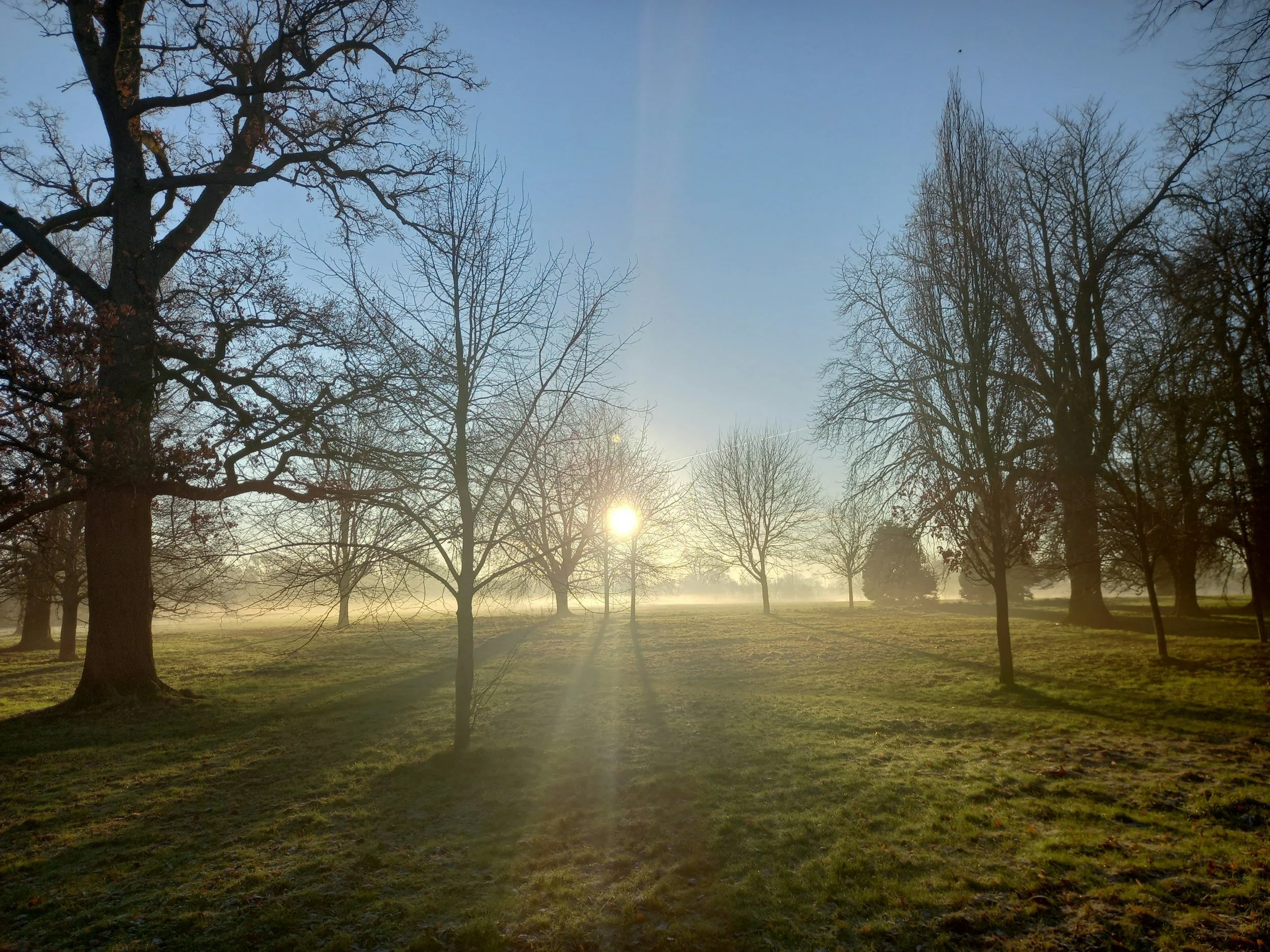
Green spaces also play a part in Slough’s landscape. Parks such as Salt Hill Park and Black Park Country Park offer quiet areas for walking, family outings, and outdoor sports. These spaces balance the busy business districts and urban neighborhoods. Many older trees and ponds found in these parks date back to historic estates and farms that once covered the area. (8)
Top Attractions in and Around Slough
Slough offers a range of places to visit, from leisure centers to historic sites. The town may not have grand landmarks like nearby Windsor, but it provides plenty of activities for both locals and visitors.
Slough Ice Arena
Slough Ice Arena is one of the town’s best-known attractions. It offers public skating sessions, ice hockey training, figure skating lessons, and events throughout the year. Families, students, and local teams use the venue daily. The arena recently underwent improvements, making it more modern and comfortable. This space brings together residents of all ages and reflects the town’s interest in sports and recreation. (9)
Slough Queensmere Shopping Centre
Slough Queensmere Shopping Centre sits in the heart of the town and hosts a range of shops, services, and cafés. The center is convenient for quick errands or relaxed browsing. Its location near the main bus routes and the train station makes it easy to reach from across the area. Over the years, the center has seen updates to improve its layout and offer more useful businesses. (10)
Herschel Park
Herschel Park is one of Slough’s oldest public parks. Its Victorian-style layout includes long pathways, ponds, and open lawns. Restoration projects helped return the park to its historic design. Today, it serves as a peaceful escape within the town. Birds, plants, and old trees add character to the landscape, making it a popular place for walks and picnics. (11)
Nearby Landmarks
Slough also benefits from attractions just outside its borders. Windsor Castle, Eton College, and various nature reserves are within a short drive. Many visitors use Slough as a base to explore these nearby sites while enjoying the town’s shops, restaurants, and quiet neighborhoods. (12)
Food, Culture, and Daily Life
Slough’s food scene reflects its multicultural character. You’ll find Indian restaurants, Turkish grills, Polish bakeries, Caribbean cafés, and British pubs throughout the town. Many family-run restaurants have served local communities for decades. Newer places continue to open around the town center, offering casual dining and quick meals for commuters and students. (13)
Cultural life in Slough includes festivals, local art projects, theater performances, and community events supported by Slough Borough Council. The town’s libraries and event spaces host workshops, children’s programs, and activities for older residents. These small, consistent events help build a strong community feel. (14)
Shopping and Local Services
Besides Slough Queensmere Shopping Centre, the town has independent shops, supermarkets, and markets spread across different neighborhoods. Groceries, clothing, household items, and specialty products are easy to find. The High Street continues to develop as new businesses move in and older buildings are renovated. (15)
Local services such as healthcare clinics, sports centers, and schools are widely available. Transport access between residential areas and service hubs is straightforward thanks to bus routes and main roads. (16)
Outdoor Spaces and Nature
Slough offers access to several parks and countryside areas. Black Park Country Park, located nearby, is known for its wooded trails and lakes. It’s a popular filming location for movies and TV shows. Langley Park offers scenic walks, gardens, and a calm environment. These spaces provide a break from Slough’s busy streets and offer families plenty of options for outdoor activities. (17)
Living in Slough
Slough attracts families, students, professionals, and commuters. The housing options range from older terraced homes to new apartment blocks. Areas close to Slough train station are popular for their convenience. Neighborhoods with schools and parks draw families. Business parks create jobs, while the town’s location makes it ideal for those working across the Thames Valley. (18)
Private Tours with UK Airport Transfer Services
If you want to explore Slough and nearby landmarks, UK Airport Transfer Services offers private tours with a car at your disposal. This service lets you visit places at your own pace. You can explore Windsor Castle, Eton College, parks, and other key areas without the stress of public transport. The service offers fixed prices, reliable vehicles, and professional drivers who know the region well. It’s a simple way to discover the area in comfort while having full control over your schedule.
References
(1) Slough: A Pictorial History – John Parker
(2) Medieval Berkshire Towns – Alice Harding
(3) The Great Western Railway and Its Towns – Richard Jones
(4) British Industrial Estates: Their Growth and Impact – Thomas Willoughby
(5) Communities in Transition: Modern British Towns – Helena Bennett
(6) Urban Planning in the Thames Valley – Robert King
(7) Transport Networks of Southern England – Michael Turner
(8) Historic Parks of Berkshire – Linda Mason
(9) Sport and Leisure in Modern Towns – Karen Oliver
(10) Retail Spaces and Community Life – Simon Edwards
(11) Victorian Parks and Public Spaces – Nora Hastings
(12) Royal Berkshire: Landmarks and Heritage – Peter Collins
(13) Food Cultures of England – Anita Shah
(14) Arts and Community Engagement – Daniel Harper
(15) Town Centres and Economic Change – Fiona Clarke
(16) Local Services and Urban Living – Margaret Dean
(17) Countryside Walks of Berkshire – Harry Lewis
(18) Housing and Development in the Thames Valley – Jonathan Price
(19) Tourism and Travel Services in the UK – Rachel Adams