
References
(1) Buckley, Rick. Urban Art and Social Commentary in London. Thames & Hudson, London, 2001.
(2) White, Jerry. London Walks: Hidden Gems of Soho. Penguin, London, 2010.
(3) Evans, Helen. Street Art and Urban Myths. Bloomsbury, London, 2015.
Hidden among the streets of Soho, London, is one of the city’s most unusual and playful art mysteries: The Seven Noses of Soho. These sculpted noses, attached to walls, buildings, and alleyways, have captured the imagination of locals, tourists, and urban explorers. Far from a traditional landmark, the noses blend contemporary art with the historic architecture of one of London’s most vibrant districts, offering visitors a fun and offbeat experience.
History and Background
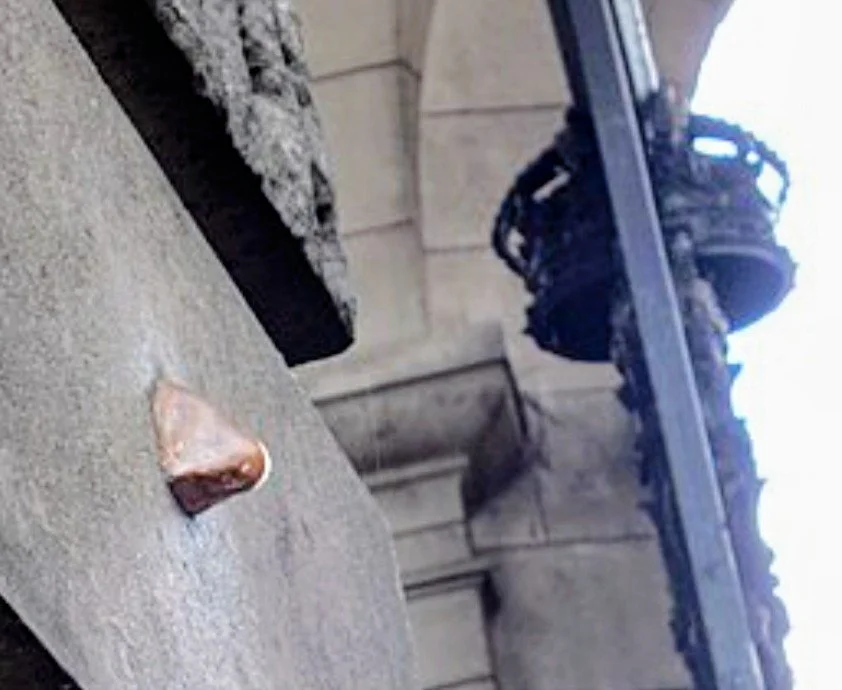
The Seven Noses of Soho were created by the artist Rick Buckley in 1997. The project was conceived as a protest against the increasing surveillance cameras in central London, particularly around Soho and the West End. Buckley sculpted multiple plaster noses and discreetly attached them to buildings, walls, and doorways. The idea was that these noses would watch passersby while remaining largely unnoticed by authorities and the general public. (1)
Although initially intended as a political statement, the noses quickly became a quirky tourist attraction. People began hunting for them, turning the search into a playful scavenger hunt across the district. Today, the Seven Noses of Soho are celebrated as one of London’s most unusual urban art projects.
Artistic Significance
Although the noses are whimsical, they carry a deeper meaning. Rick Buckley’s work reflects commentary on:
Surveillance culture: Each nose represents a watchful eye, subtly critiquing the growth of public and private surveillance.
Hidden art in public spaces: The project encourages urban exploration, showing that art can be integrated into everyday life in playful ways.
Interaction with the public: The noses invite curiosity and engagement, transforming ordinary walks through Soho into treasure hunts.
This blend of humor, politics, and creativity makes the Seven Noses of Soho a unique piece of London’s contemporary cultural landscape.
Fun Facts About the Seven Noses
Despite being called the “Seven Noses,” enthusiasts have discovered more than seven noses, with some estimates exceeding 30. (3)
The noses vary slightly in design, reflecting Buckley’s hand-sculpted style.
They are small and unobtrusive, often placed just above eye level or in shadowed areas, making them challenging to find.
The project has inspired urban legends, including claims that finding all the noses brings good luck or a mysterious boon.
Why Visit the Seven Noses of Soho
Exploring the Seven Noses offers visitors a chance to see a different side of London:
Offbeat tourism: Step away from traditional landmarks like Big Ben or Westminster Abbey and explore hidden art.
Interactive experience: Searching for the noses encourages walking tours, photography, and playful engagement.
Cultural insight: The noses reflect Soho’s artistic, rebellious, and unconventional spirit, which has shaped the district for centuries.
Whether you are a tourist, art lover, or local, the Seven Noses of Soho offer a fun and unusual way to experience London’s creative side.
Visiting Tips
Wear comfortable shoes; the best way to see the noses is on foot.
Bring a camera; the noses make great photo opportunities.
Start near Dean Street or Meard Street and explore side alleys.
Take your time; part of the fun is the hunt itself.
Combine your visit with nearby attractions such as Carnaby Street, Soho Square, and Chinatown.
How to Find the Seven Noses of Soho — A Treasure Hunt Across London
Finding the Seven Noses of Soho is like a quirky urban treasure hunt. These small nose sculptures by artist Rick Buckley are hidden on walls and buildings across central London. There’s no official map or signs, so part of the fun is walking the streets and spotting them yourself. (turn0search2)
Best Approach
Start in central London near Tottenham Court Road or Oxford Circus tube stations, then make your way into the heart of Soho. The noses are scattered across several streets and alleys that are all within walking distance of one another. Some may be slightly above eye level, tucked into façades or corners, so keep your eyes open and look closely at building walls. (turn0search2)
Here are the widely recognised noses and their approximate locations:
Admiralty Arch (SW1A 2WH) – Although technically outside Soho, this is the most famous nose. It’s high on the arch near The Mall and has its own urban legends. (turn0search2)
Great Windmill Street (W1D) – Look up on the exterior wall near Shaftesbury Avenue. This nose sits above a doorway and can be easy to miss. (turn0search2)
Dean Street (W1D) – On a building along this classic Soho street. It’s near clubs and cafés, so take your time looking at the façades. (turn0search2)
Bateman Street (W1D) – Set near the middle of this street, often above eye level close to the junction with Frith Street. (turn0search19)
Meard Street (W1F) – This nose is halfway up a wall near the junction with Dean Street. The postcode for Meard Street is around W1F. (turn0search3)
Endell Street (WC2H) – A bit outside Soho in Covent Garden, this one can be found close to the Long Acre end of the street. (turn0search2)
D’Arblay Street (W1F) – Traditionally thought of as the seventh nose, though some urban explorers debate whether this is an original or a coincidental feature on the wall. (turn0search2)
Because these noses are small plaster castings (often just a couple of inches long), they can blend into the architecture. They are usually placed discreetly, and over time some have been painted over or removed, so finding them all takes patience and a sharp eye. (turn0search0)
Tips for the Hunt
Wear comfortable shoes: You’ll be walking narrow streets with lots of little details.
Bring a camera: Close-up photos help identify noses on textured stone or brick.
Go early or late: Soho can be busy during the middle of the day, but quieter mornings or evenings make it easier to look up and around without crowds.
Use Tube stations nearby: Oxford Circus (Victoria/Central/Bakerloo), Tottenham Court Road (Central/Northern), and Leicester Square (Northern/Piccadilly) are all good starting points. (turn0search5)
Locals and visitors alike enjoy the challenge — although the noses may seem small and simple, they are part of a wider story connecting street art, protest, and the unexpected corners of London life. (turn0search1)