
Bourton-on-the-Water: The Venetian Stone Heritage of the Cotswolds
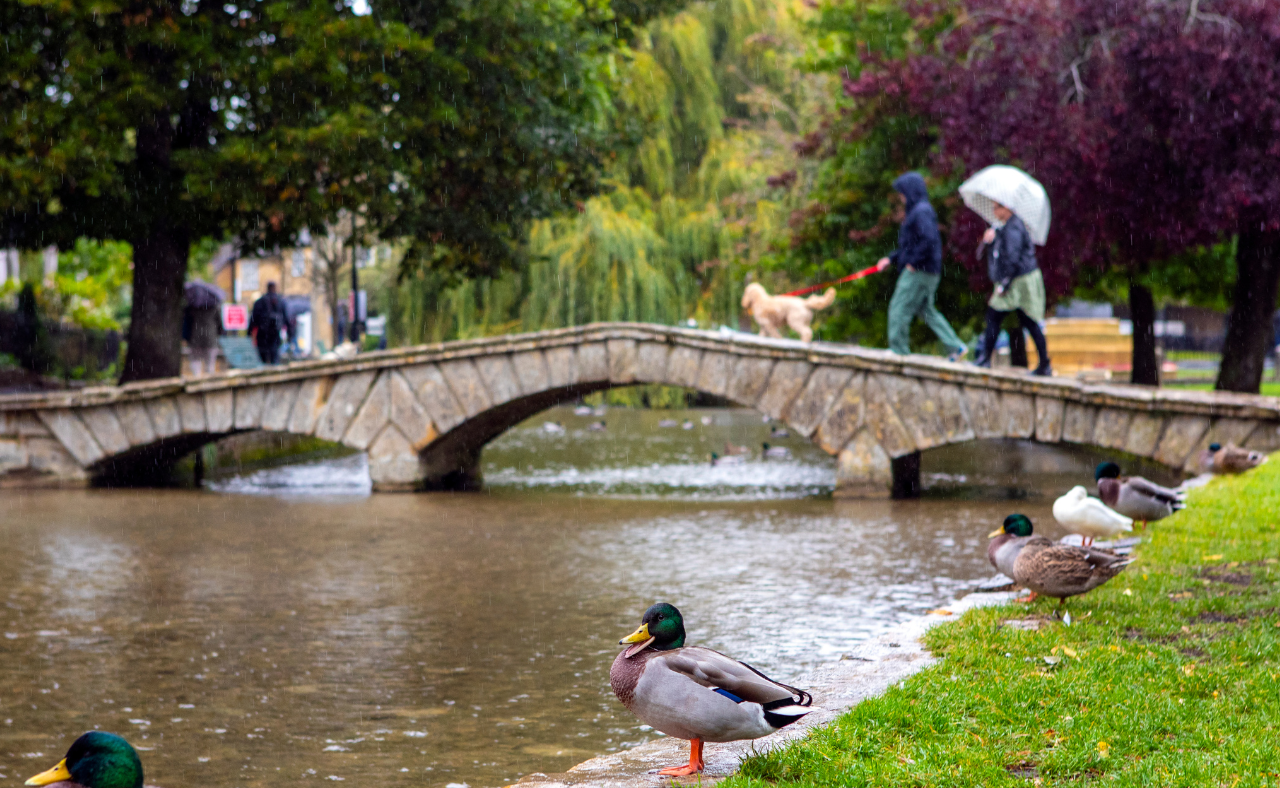
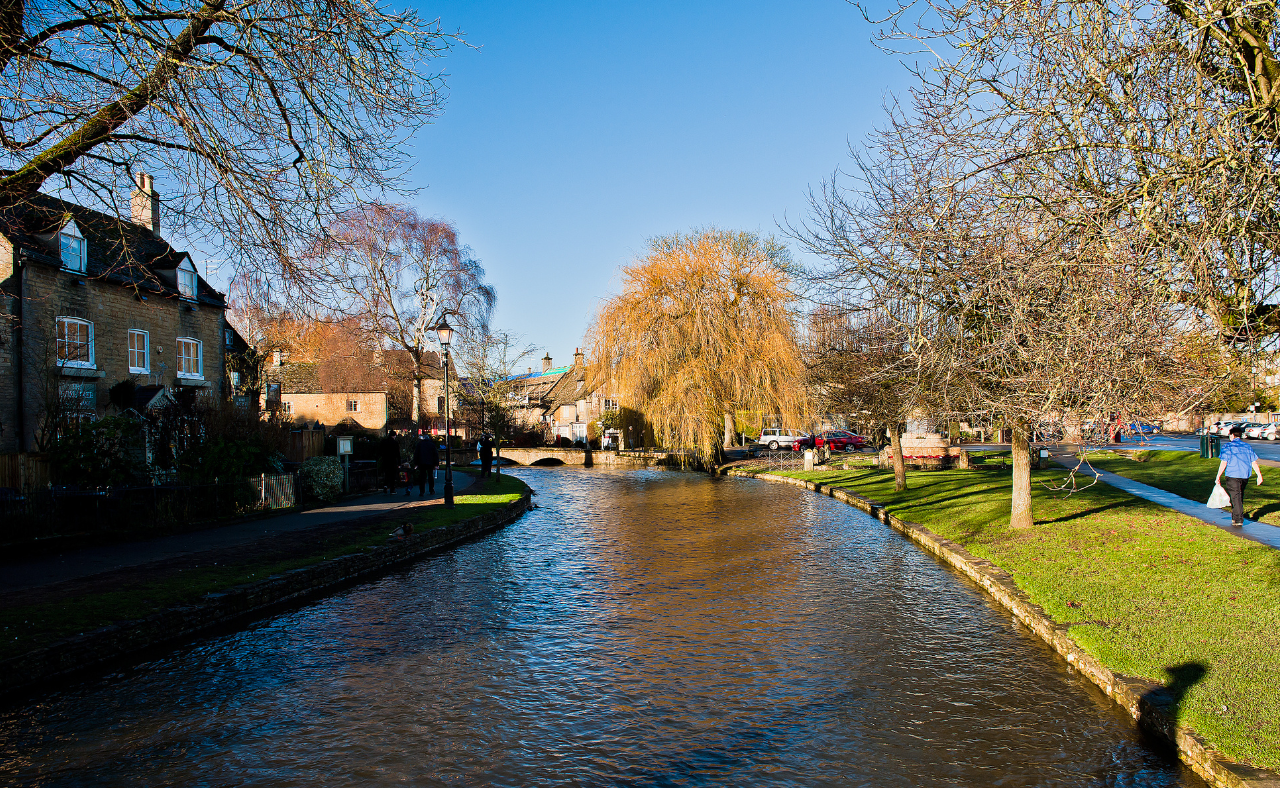
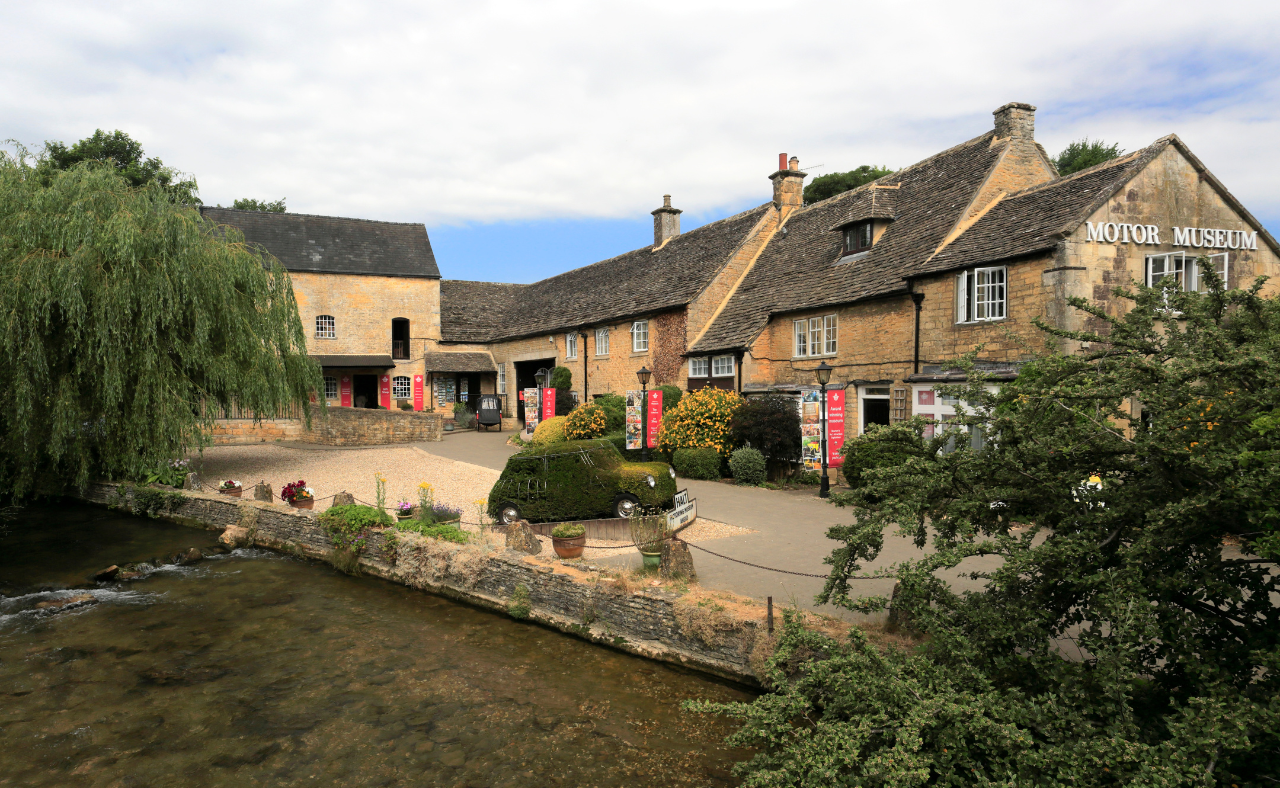
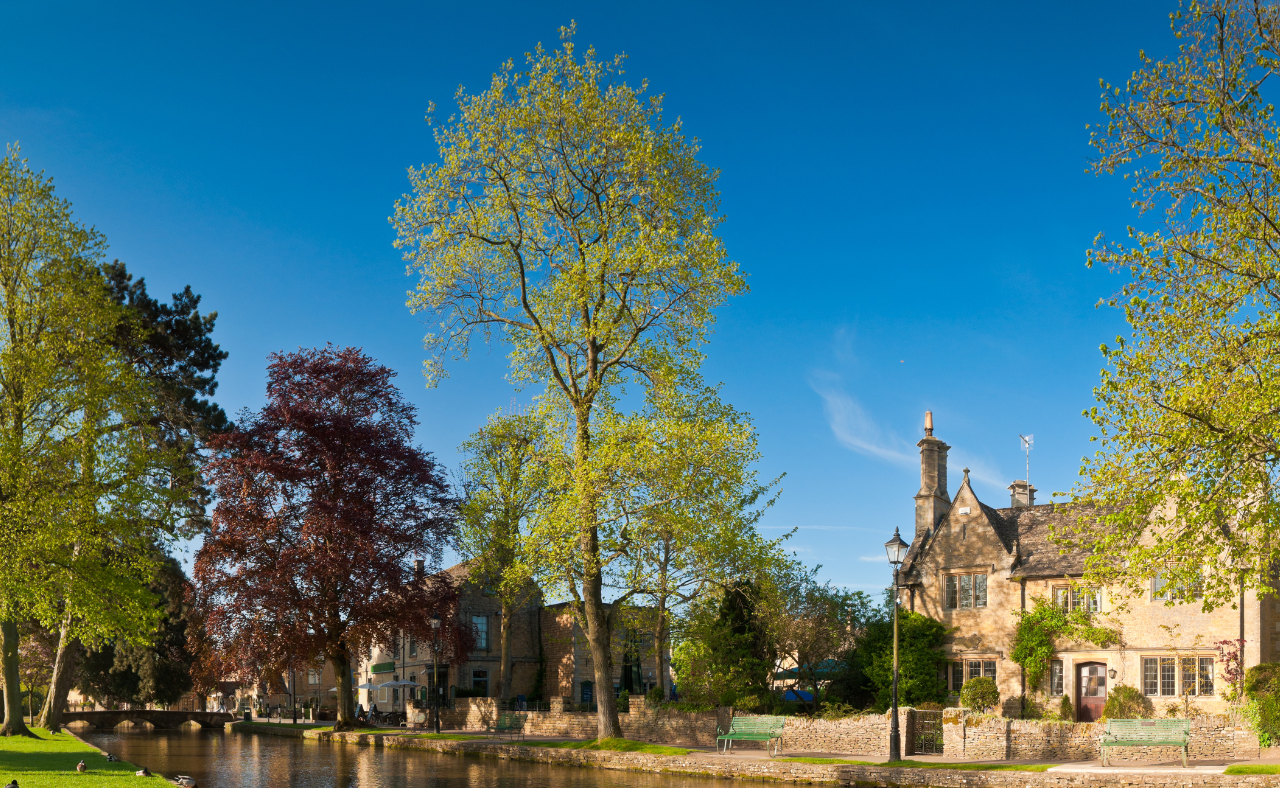
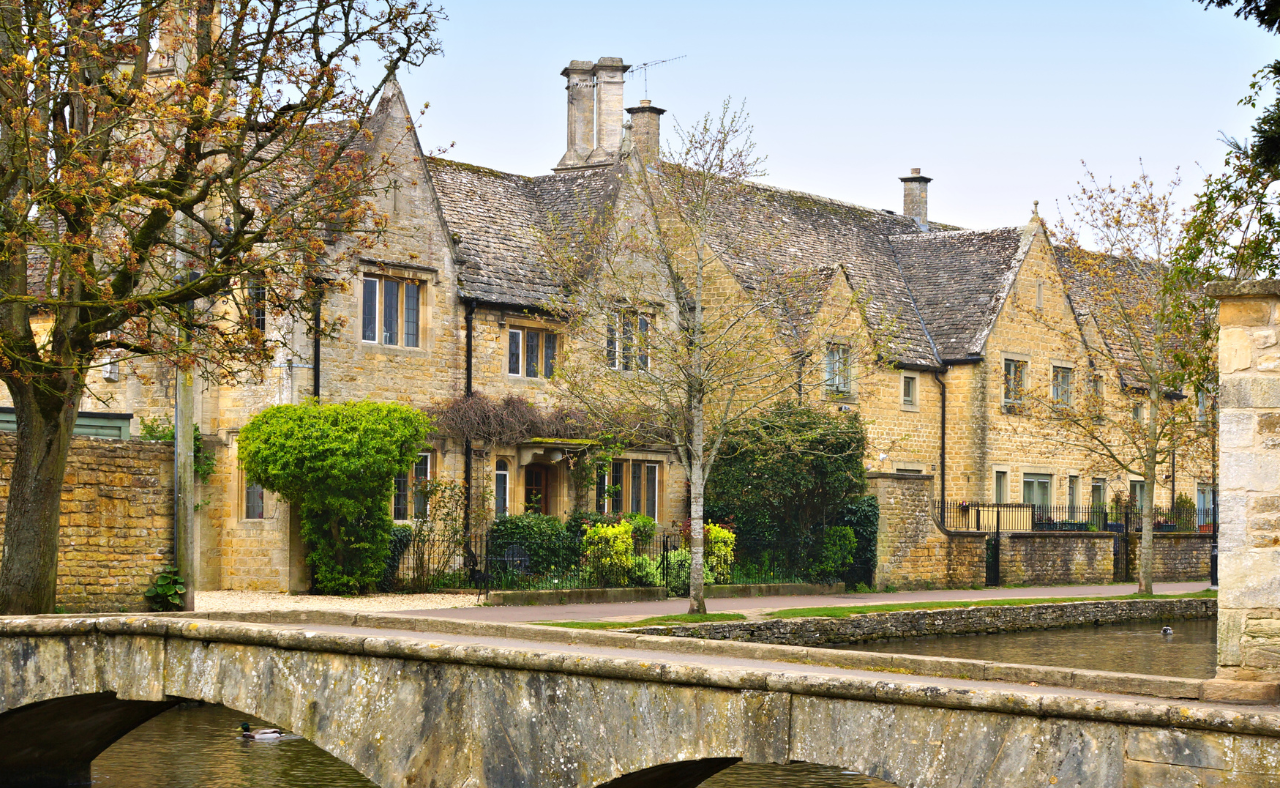
Standing on the banks of the River Windrush as the morning mist lifts off the water, it is easy to understand why Bourton-on-the-Water has earned the moniker "The Venice of the Cotswolds." However, to view this village merely as a picturesque backdrop for a photograph is to miss the profound geological, social, and industrial history that has shaped it over six millennia.
In this exhaustive exploration, we journey from the Iron Age ramparts of Salmonsbury Camp to the intricate 1:9 scale masonry of the Model Village, uncovering the soul of a destination that remains the crown jewel of the Cotswolds National Landscape.
I. Geological Foundations: The Jurassic Spark
The story of Bourton-on-the-Water does not begin with architects or kings, but with a tropical sea 180 million years ago. During the Jurassic period, what is now the Cotswolds lay near the equator. The warm, shallow waters were home to countless marine organisms whose calcium-rich remains settled on the seabed, eventually compressing into the Oolitic limestone that defines the region today.
This stone is the "genetic code" of Bourton. Known locally as "honey stone" due to its warm, golden hue, it is soft enough to be carved into the intricate mullions of a manor window yet durable enough to withstand centuries of English rain. In Bourton, the stone is particularly luminous, reflecting the light of the River Windrush and creating the "glow" that draws millions of visitors annually.
II. Prehistoric Bourton: The Salmonsbury Camp
Long before the first stone cottage was laid, Bourton was a strategic hub of Iron Age Britain. To the east of the modern village lies Salmonsbury Camp, a nationally significant "oppidum" or fortified tribal center.
Covering roughly 56 acres, this site was occupied by the Dobunni tribe. Unlike the hilltop forts common across the Cotswolds, Salmonsbury was a lowland enclosure, protected by the marshy confluences of the River Windrush and the River Dikler. Excavations have revealed that this was a sophisticated society, engaged in trade with Continental Europe and even minting its own coinage. Today, the ramparts remain visible at Greystones Farm, where nature has reclaimed the earthworks, turning a site of ancient power into a sanctuary for wildflowers and owls.
III. The Roman Influence: The Fosse Way
When the Roman legions arrived in 43 AD, they recognized the strategic value of the Windrush crossing. They constructed the Fosse Way, one of the great Roman roads of Britain, which ran from Exeter to Lincoln. This road passed directly through the western edge of what is now Bourton-on-the-Water.
The Romans established a settlement known as Leadenwell near the river crossing. Archeological finds—including coins, pottery, and evidence of stone buildings—suggest that Roman Bourton was a bustling transit point. The linear nature of the modern village still bears the ghost of this Roman planning, with the High Street following an ancient logic of trade and accessibility.
IV. The Middle Ages: Wool, Water, and Wealth
The medieval period saw the Cotswolds rise to global economic prominence through the wool trade. The "Cotswold Lion"—a breed of sheep famous for its long, lustrous fleece—became the source of immense wealth.
Bourton-on-the-Water flourished during this era not just as a farming community, but as a site of industry. The River Windrush provided the power for multiple mills. Unlike the steep valleys of Stroud where the water was fast and aggressive, the Windrush at Bourton was steady and reliable.
Fulling Mills: Used the river to process wool, cleaning and thickening the cloth.
Corn Mills: Ground the grains grown on the surrounding wolds.
The prosperity of the wool trade funded the construction of the village’s iconic cottages. This wealth also built the Church of St Lawrence, which stands on the site of a Roman temple and a later Saxon church. Its 14th-century chancel remains a testament to the village's medieval importance.
V. The Architectural Identity: The Bridges and the River
The most defining feature of Bourton-on-the-Water is the series of five low, arched stone bridges that span the River Windrush as it flows parallel to the High Street.
Mill Bridge (1654): The oldest of the bridges, providing access to the former mill works.
High Bridge (1756): The central crossing, offering the most iconic view of the village greens.
New Bridge (1911): A later addition that seamlessly mimics the traditional style.
The river itself is remarkably shallow, rarely deeper than a few inches during the summer months. This unique hydrology allowed the village to develop a broad, open green alongside the water, creating a communal space that feels more like a grand estate garden than a public highway.
VI. The 1930s Renaissance: The Model Village
In 1936, a local landlord named C.A. Morris decided to create something unique behind the Old New Inn. He commissioned local craftsmen to build a Model Village—a 1:9 scale replica of Bourton-on-the-Water.
This is not a toy; it is a work of architectural preservation. Built from authentic Cotswold limestone and featuring real slate roofs, the Model Village captures the village exactly as it stood on the Coronation Day of King George VI in 1937. It is now a Grade II listed structure, recognized for its historic value.
The "Infinite Loop": In a stroke of whimsical genius, the Model Village contains its own miniature Model Village, which in turn contains a smaller one, creating an "inception" of stone and scale.
The Miniature Church: The scale model of St Lawrence’s Church features intricate carvings and even plays recorded choir music, a favorite for visitors in the spring and summer.
VII. Nature and Wildlife: Greystones and the Windrush
Beyond the stone walls, Bourton-on-the-Water is a haven for British biodiversity.
Greystones Farm Nature Reserve
Managed by the Gloucestershire Wildlife Trust, Greystones is a Site of Special Scientific Interest (SSSI). The ancient hay meadows are some of the most diverse in England, home to rare plants like the Great Burnet and the Green-winged Orchid. In the spring, the meadows are a riot of color, supporting a vast population of butterflies and pollinators.
The River Windrush Ecosystem
The river is a vital corridor for the Water Vole, one of Britain's most endangered mammals. The clean, slow-moving water also supports brown trout, grayling, and a variety of kingfishers and wagtails. The iconic weeping willows that line the banks are not just decorative; their root systems protect the riverbanks from erosion during the winter swells.
VIII. Traditions: Football in the River
No account of Bourton is complete without mentioning its most eccentric tradition: River Football. Every August Bank Holiday, the local football club holds a match in the River Windrush.
Thousands gather on the banks to watch players splash through the ankle-deep water in a chaotic, celebratory display of community spirit. It is a tradition that has survived for over 100 years, embodying the village’s unique relationship with its river—viewing it not just as a resource or a view, but as a playground.
IX. Modern Bourton: The Gateway to Discovery
In 2026, Bourton-on-the-Water serves as the primary hub for exploring the wider Cotswolds. It is the starting point for the Heart of the Cotswolds walking trails and a gateway to the "Secret Valleys" of the Windrush and the Dikler.
Despite its popularity, the village retains a quiet dignity in the early mornings and late evenings. When the day-trippers depart, the golden stone absorbs the setting sun, and the sound of the Windrush flowing over the weirs returns to its status as the village's primary soundtrack.
XI. Visiting with UK Airport Transfer Services
To truly experience the history and landscape of Bourton-on-the-Water without the stress of navigation or parking, a 10-hour private car disposal is the premier choice.
Our executive private tours offer a personalized "meet and greet" service directly from your hotel lobby. We provide the flexibility to start your journey at the ancient ruins of Minster Lovell, enjoy a riverside lunch at The Fox at Barrington, and spend a leisurely afternoon at the Model Village, all within the climate-controlled luxury of a Mercedes-Benz.
Fill in the form below to request a free quote for your personalized Cotswolds journey.
-
The nickname comes from the five low-arched stone bridges that span the River Windrush as it flows through the village center. These bridges, built between 1654 and 1953, create a picturesque, canal-like atmosphere unique to the region.
-
As one of the most popular villages in the UK, it can be very busy on summer weekends. We recommend visiting in the spring (late March to May) or autumn (September to October). For the best experience, arrive before 10:00 AM or stay after 5:00 PM when the day-trippers have departed.
-
Yes, the river is famously shallow (often only a few inches deep) and crystal clear. It is a local tradition for children and dogs to paddle in the water during the warmer months, though we always recommend waterproof shoes due to the stony riverbed.
-
By private car, the journey typically takes around 2 to 2.5 hours depending on traffic. Our 10-hour private disposal allows for a comfortable day trip with plenty of time for sightseeing and lunch.
Need a transfer to or from a London airport?
Fixed-price private hire from Heathrow, Gatwick, Stansted, Luton and London City Airport — door to door, free flight monitoring, no hidden fees.
Get a quote →