
Cotswold Farm Park: Adam Henson’s Rare Breed Heritage and Agricultural Legacy
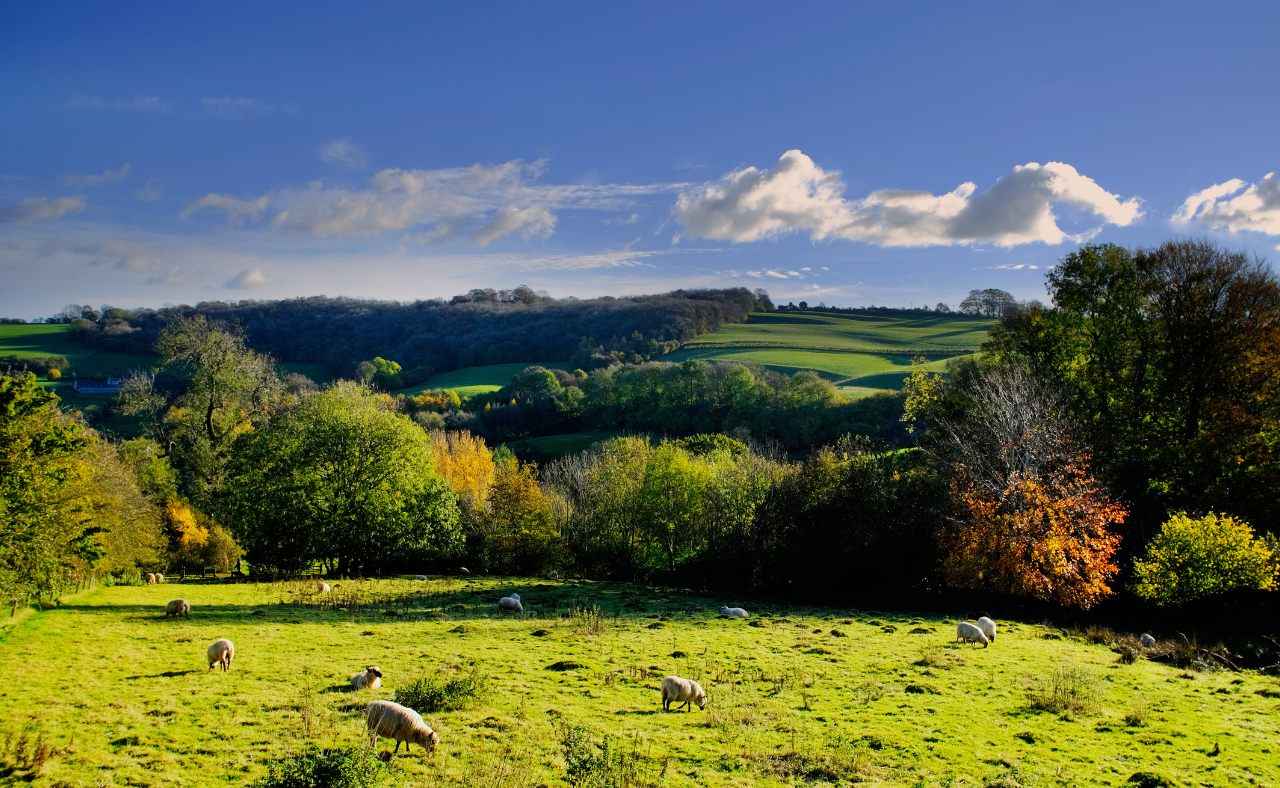
The Cotswold Farm Park stands as the definitive crown jewel of British agricultural conservation. Perched high on the Cotswold scarp near Guiting Power, this 1,600-acre estate is a masterclass in integrated landscape management, where rare breed preservation meets modern sustainable farming. For the 2026 explorer, it offers a tactical blend of educational heritage and rural tranquility, serving as a vital sanctuary for Britain’s vanishing livestock for over five decades.
The Genesis of Rare Breed Conservation
The story of the Farm Park is inextricably linked to the Henson family legacy. Founded in 1971 by Joe Henson, a pioneer who co-founded the Rare Breeds Survival Trust (RBST), the site was the first of its kind in the world. Today, under the stewardship of Adam Henson, the landscape has evolved into a high-end destination that balances the "slow travel" ethos with rigorous scientific conservation.
Visitors encounter a living history of British farming, from the massive Suffolk Punch horses—the heavy lifters of the medieval era—to the iconic Gloucester Old Spot pigs. This site remains a quintessential symbol of agricultural preservation, protecting the genetic diversity of over 50 rare and native breeds that would otherwise be lost to industrial farming.
A 2026 Seasonal Journey Through the Farm
The Cotswold Farm Park is a dynamic landscape that shifts with the seasons, offering unique tactical insights throughout the year:
The Spring Lambing Event
March and April mark the peak of the farm’s calendar. The Lambing Tank offers a front-row seat to the miracle of life, where specialized staff provide commentary on the birthing process. It is a masterclass in veterinary care and animal husbandry, featuring both commercial and rare breeds like the Castlemilk Moorit.
Summer Harvest and Discovery
As the high-altitude fields turn gold, the farm focuses on its Discovery Trail. This two-mile walk through the Cotswold Area of Outstanding Natural Beauty (AONB) allows visitors to see the "Big Five" rare cattle breeds grazing in their natural habitat, including the majestic White Park cattle, which have roamed Britain for over 2,000 years.
Autumn Rare Breed Showcases
The later months highlight the textile heritage of the region. The Cotswold Lion sheep, whose long, luster wool built the medieval stone churches of Burford and Northleach, take center stage. Demonstrations in the Touch Barn explain how these animals literally "clothed the world" during the height of the wool trade.
Sustainable Luxury: Lodges and Glamping
For those seeking a deeper connection to the land, the Farm Park has expanded into a premium rural retreat. The 2026 accommodation landscape includes high-end Sunset Lodges and luxury Glamping Tents, all designed to blend into the limestone topography.
Tactical Benefit: Overnight guests enjoy "after-hours" access to certain wildlife walks, providing a silent, intimate experience of the Cotswold hills that day-trippers miss.
Gastronomy: The on-site Ox Shed Restaurant focuses on hyper-local provenance, serving ingredients harvested directly from the estate or sourced within a 15-mile radius.
-
Absolutely. While famous for its family activities, the park is a major site for conservationists and photographers. The Discovery Trail and the Rare Breeds history displays offer sophisticated insights into British heritage and biodiversity.
-
The breeds are present year-round, but Spring (Lambing) and Early Summer offer the most interactive experience as new offspring are introduced to the paddocks.
-
To protect the rare and often sensitive livestock, dogs are not permitted within the Farm Park itself, though there are shaded parking areas and nearby walking trails where they are welcome.
-
A tactical exploration of the full site, including the Discovery Trail and the specialized barns, typically requires 3 to 4 hours. Many visitors stay for a full day to enjoy the restaurant and wildlife walks.
-
The estate utilizes regenerative farming techniques, including wildflower margin planting to support pollinators and carbon-sequestration grazing patterns, making it a model for future-proofed British agriculture.
Need a transfer to or from a London airport?
Fixed-price private hire from Heathrow, Gatwick, Stansted, Luton and London City Airport — door to door, free flight monitoring, no hidden fees.
Get a quote →