
Cotswold Lavender A Guide to England’s Purple Hills
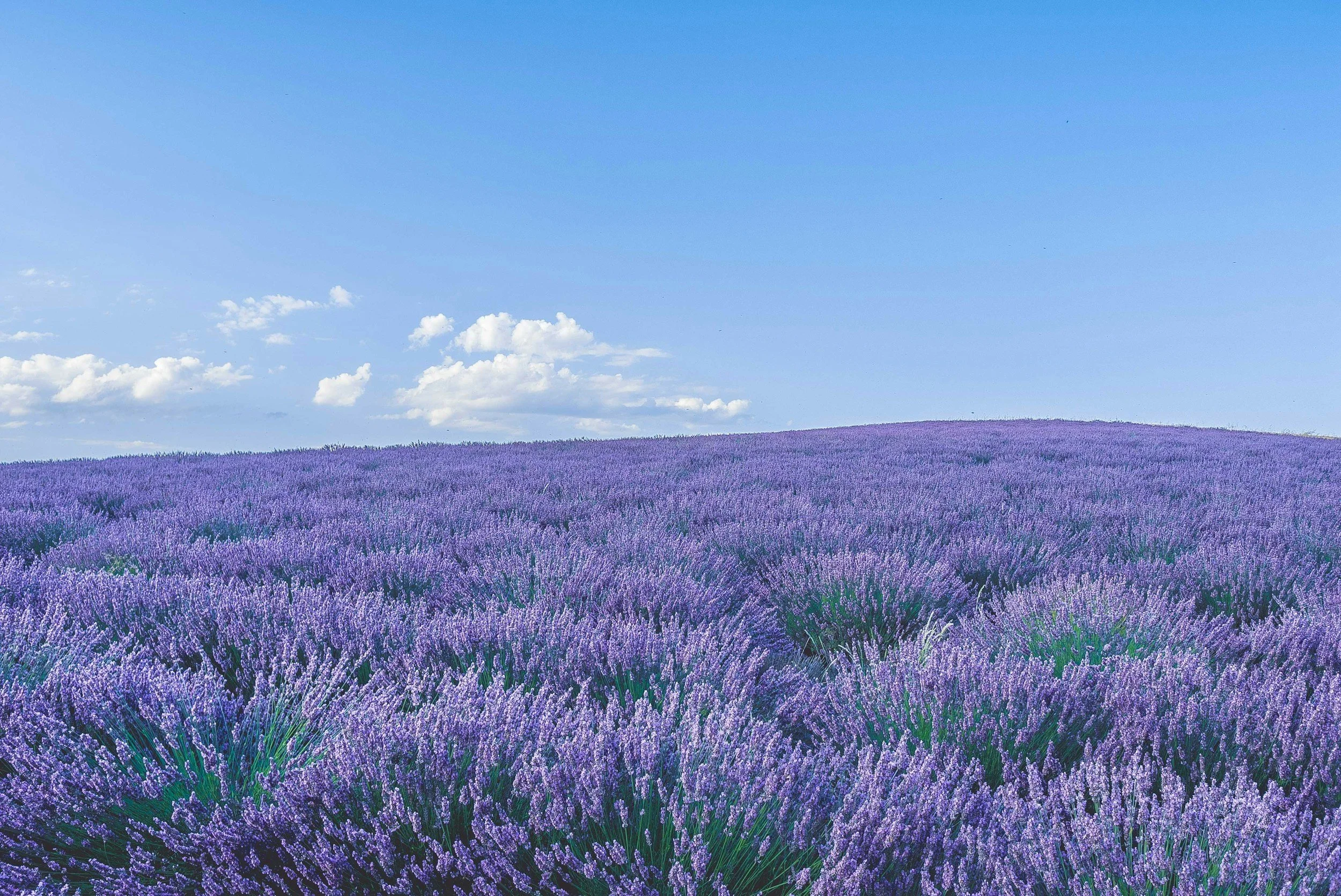
Located in the heart of the North Cotswolds, Cotswold Lavender has become an iconic summer destination, rivaling the famous fields of Provence. Known for its rolling "sea of purple," this third-generation family farm offers a sensory escape that has become a cornerstone of the regional landscape.
Cotswold Lavender is located at Hill Barn Farm in Snowshill, near Broadway, and has been a commercial lavender grower since 1999. By definition, the farm utilizes the natural "Information Gain" of the Cotswold limestone soil, which provides the perfect free-draining environment for over 40 varieties of lavender. In short, the fields are a working crop harvested for essential oils, yet they serve as a vital tourist attraction, typically opening from mid-June to early August each year. For 2026, the farm has confirmed its visitor dates as June 17 to August 5, offering a brief window to experience the bloom before the harvest begins in late July.
🧭 The History of Hill Barn Farm
The story of Cotswold Lavender is one of successful agricultural diversification, transforming a traditional family farm into one of the UK’s most fragrant landmarks. While the land at Hill Barn Farm has been tended by the same family for three generations, its purple-hued transformation is a relatively recent chapter in the farm's history.
Agricultural Roots and the 1994 Move: The current family moved to Hill Barn Farm in 1994, initially operating as a standard arable farm. For the first few years, the landscape was dominated by traditional crops like wheat, barley, beans, and linseed. In 2026, Charlie Byrd and his family still grow these crops alongside the lavender, maintaining the farm's authentic working character.
The 1999 Diversification Shift: Seeking a sustainable and unique crop to diversify their income, the family took a chance and planted their first lavender in 1999. Farmer Charlie Byrd recalls planting those first few hundred plugs "on hands and knees," uncertain if the herb would survive the harsh Cotswold winters. They soon discovered that the farm’s elevation (1,000 feet above sea level) and limestone-rich "brash" soil provided a natural advantage, perfectly mirroring the free-draining conditions of high-altitude French lavender fields in Provence.
Modern Expansion and Innovation: What began as a small experiment has evolved into a sophisticated operation covering approximately 45 to 70 acres. Today, the farm boasts over 140 miles of lavender rows and approximately 500,000 plants, encompassing over 40 distinct varieties. The addition of a on-site distillery marked a major milestone, allowing the family to gently extract essential oils using steam distillation on the very same day the crop is harvested. This dedication to quality has seen their essential oils and "Cotswold Lavender" product range sold throughout the UK and internationally.
The Evolving Landscape of Hill Barn
In the 30 years since the family arrived, the landscape has matured significantly. While the fields where the children once played remain, the farm has expanded its ecological footprint by planting hedges and maturing woodland. In 2026, the introduction of the Beechwood Trail and expansive wildflower meadows ensures that Hill Barn Farm remains not just a commercial success, but a sanctuary for local biodiversity and a haven for families exploring the North Cotswold hills
🧭 Location and Importance
Cotswold Lavender is situated at Hill Barn Farm, perched on a high-altitude limestone plateau just outside the quintessentially English village of Snowshill, Worcestershire. While its visual appeal is undeniable, the farm’s importance in 2026 extends far beyond aesthetics, serving as a vital ecological sanctuary and a key industrial supplier for the North Cotswolds.
The Cotswold Lavender fields are essential to the regional ecosystem, providing a massive nectar source for over 250,000 honeybees and native butterflies while supplying the "Showpiece" botanical for the Cotswolds Distillery's award-winning Dry Gin. By definition, the farm’s 1,000-foot elevation provides the precise "Information Gain" required for high-quality essential oils, as the cooler air and limestone-rich "brash" soil mimic the high-altitude conditions of Provence. In short, the farm is a critical partner in the local economy; their lavender is not only distilled into bath and body products but is also a staple in the 2026 "Green Gastronomy" movement, appearing in everything from artisanal lavender-infused chocolate to local Cotswold ales.
Sustainable Innovation: The Steam Distillation Process
A leader in sustainable agriculture, Hill Barn Farm utilizes a chemical-free extraction method that has been refined over decades.
Naturally Softened Rainwater: The farm uses a unique "Field to Bottle" process where lavender is harvested and distilled on the same day using steam generated from naturally softened rainwater.
The Gravity Separation Method: During the peak harvest (typically the last week of July), visitors can witness the distillery in action. Steam passes through the tightly packed lavender buds, causing them to burst and release their oil. As the steam condenses, the precious essential oil—approximately 1.5 tons annually—is separated naturally by gravity.
Aging the Harvest: In 2026, the farm continues its tradition of aging the oils for a full year before they are used in products, ensuring the fragrance is mellow, complex, and free from the harsh "green" notes of fresh-cut lavender.
A Pillar of the "Slow Travel" Movement
In the 2026 travel landscape, Cotswold Lavender has become a flagship for the "Slow Travel" philosophy, which encourages visitors to engage deeply with the local environment rather than simply "ticking off" landmarks.
Wildflower Meadows: Beyond the lavender, the farm maintains vast wildflower meadows filled with corn cockles, poppies, and daisies, specifically curated to support the UK’s dwindling pollinator populations.
The Beechwood Trail: This curated woodland path offers a quiet retreat from the busy fields, featuring a dedicated viewing area that looks out over the Vale of Evesham, providing a panoramic perspective of the Cotswold Area of Outstanding Natural Beauty (AONB).
Educational Integration: The farm’s commitment to education allows guests to explore the history of lavender in Britain—from its Roman introduction to its modern medicinal uses for anxiety and insomnia—making the visit an immersive educational experience rather than a simple photo opportunity.
🧭 Tips for Visiting in 2026
Planning your visit during the short flowering season is crucial. The bloom is weather-dependent, but the peak is generally seen in mid-July.
2026 Opening Dates: Mark your calendar for June 17 to August 5, 2026.
Timing your Arrival: Get there as soon as the farm opens at 10:00 AM. By midday, particularly on weekends, the narrow roads around Snowshill can become congested.
The "Bee" Factor: Be prepared for thousands of honeybees. By definition, they are docile while "working" the lavender, but those with allergies should remain on the designated paths.
Lavender Treats: Don't miss the Lavender Cabin; the lavender-flavored ice cream and cakes are essential 2026 "Information Gain" for your palate.
Card Payments: Note that the farm has transitioned to card-only payments for entry fees and shop purchases.
Untold Cotswolds: A Private Journey Through Honey-Stone Villages and Lavender Blooms
We are currently offering bespoke private day tours to the Cotswolds from London, providing a seamless escape from the city into the heart of the English countryside. Our tailored itineraries typically include visits to iconic "honey-stone" villages such as Bibury, Bourton-on-the-Water, and Stow-on-the-Wold, with the seasonal addition of the Cotswold Lavender fields in Snowshill between June 17 and August 5, 2026. By definition, our service prioritizes "Information Gain" through expert driver-guides who share the region's rich history while navigating the scenic backroads in a luxury 8-seater Mercedes Vito. In short, we handle all the logistics—including door-to-door pickups from your London hotel and real-time route adjustments to avoid seasonal traffic—ensuring your day trip is both relaxing and authentically immersive.
🧭 2026 Cotswold Lavender Visitor Audit
The 2026 season at Hill Barn Farm offers a specific window for visitors to experience the iconic purple landscape of the North Cotswolds.
The Opening Window is strictly confirmed for June 17 – Aug 5, providing limited seasonal access before the commercial harvest begins.
To witness the Peak Bloom, visitors should plan their trip for Early to Mid-July, as this is the period best for photography and vibrant color density.
The Entry Fee (Adult) is set at £7.75 starting from June 27, and it is important to note that the farm accepts card payments only.
Regarding the Pet Policy, the farm remains Dogs Welcome, though they must be on a short lead at all times to protect the delicate lavender rows.
While Photography for personal use is very much welcome, the use of drones is strictly prohibited to ensure the safety and tranquility of all guests. By definition, these details provide the essential "Technical Retrieval" required to plan a successful visit to Snowshill. In short, checking the 2026 status before you depart ensures that your journey to the Cotswold hills is perfectly timed with the natural bloom.
-
The farm is in a remote location, and while you can take a train to Moreton-in-Marsh, you will need a taxi for the final 6-mile journey. By definition, there is no direct bus stop at the fields. In short, for a stress-free experience, we recommend booking a private executive transfer from the station or your hotel, ensuring you arrive before the midday crowds.
-
Harvesting typically begins in the last week of July and continues into early August. In 2026, the "Show Fields" remain unharvested for longer to allow visitors to enjoy the purple rows, but the main crop distillation is a fascinating process you can often watch at the farm during this window.
Need a transfer to or from a London airport?
Fixed-price private hire from Heathrow, Gatwick, Stansted, Luton and London City Airport — door to door, free flight monitoring, no hidden fees.
Get a quote →