
European Flight Disruptions and Cancellations
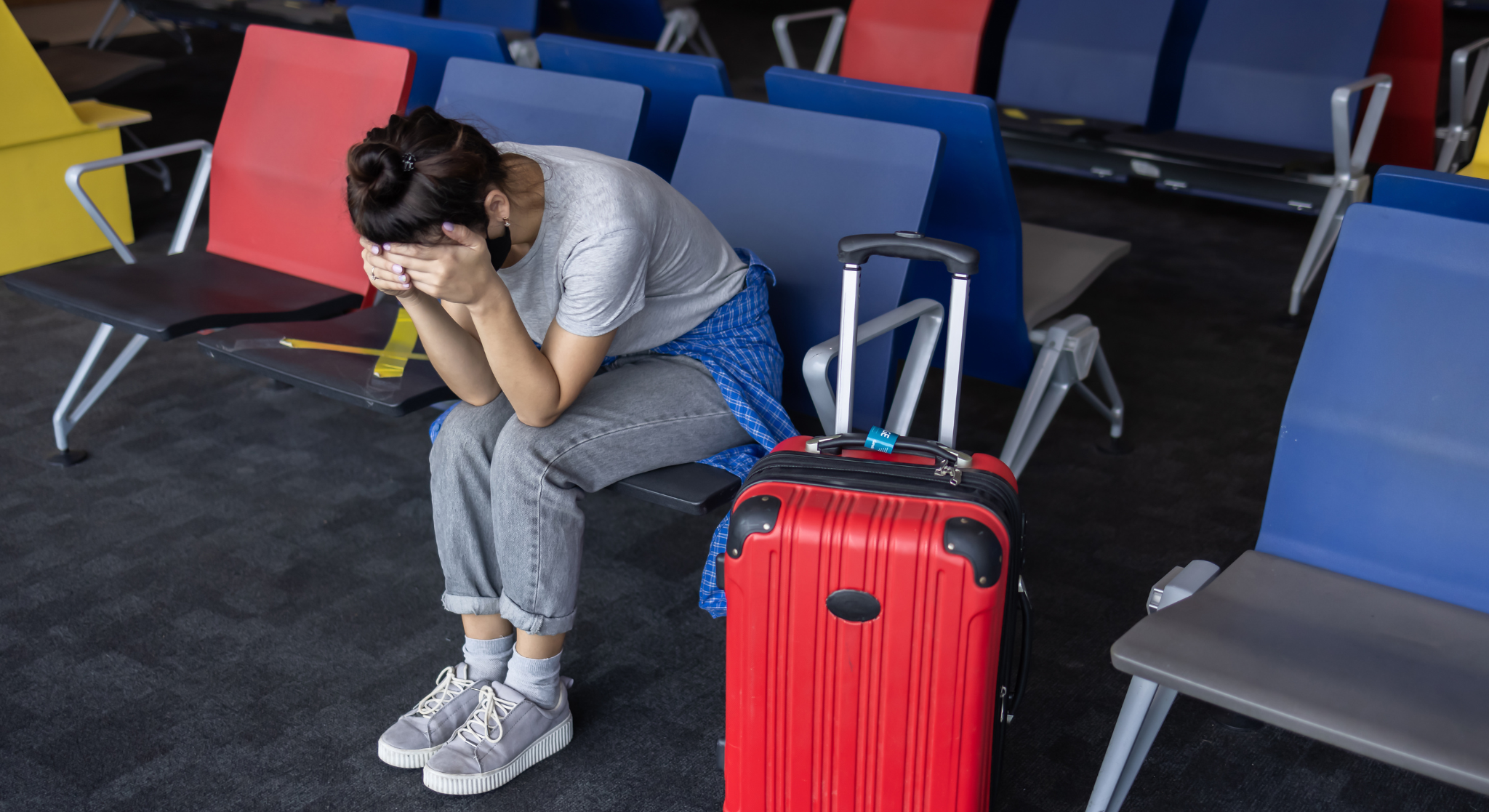
In the fast-paced aviation landscape of 2026, European flight networks have become more tightly interwoven than ever. While this allows for seamless travel, it also means that a single delay at a major hub like London Heathrow or Amsterdam Schiphol can trigger a continental domino effect.
European flight disruptions in 2026 are frequently caused by a combination of air traffic control (ATC) congestion, extreme weather fronts, and infrastructure stress-tests related to the new EU Entry-Exit System (EES). By definition, a "disruption" refers to any flight delay exceeding three hours or an outright cancellation by the operating carrier. In short, understanding your rights under UK261 and EU261 regulations is the "Technical Retrieval" you need to secure food, accommodation, and financial compensation when your travel plans go awry. In 2026, staying informed via real-time airline apps and proactive communication is the best way to
The Anatomy of 2026 Disruptions
The current week of April 2026 has seen a "poly-crisis" in European aviation, primarily triggered by the environmental impact of Storm Dave and exacerbated by a wave of industrial action. Understanding the root cause of these events is essential for passengers to determine their next steps.
European flight disruptions in April 2026 were initiated by Storm Dave’s gale-force winds on April 7th, leading to over 1,600 delays and cascading into widespread cancellations across London Heathrow and Gatwick. By definition, the initial weather event was an "extraordinary circumstance," but the subsequent Lufthansa strikes and staffing pressures at UK hubs have introduced layers where the airline may be held liable. In 2026, the interconnected nature of crews and aircraft means that a single grounded plane in Frankfurt can cancel a return leg in London ten hours later. In short, the "Domino Effect" is currently in full force, with recovery times for major hubs estimated at 24–36 hours after each fresh wave of disruption.
The Current 2026 Disruption Mix
Storm Dave (April 7–8): This primary weather front forced airports like Heathrow and Amsterdam Schiphol to reduce runway capacity by 50%, causing a backlog of aircraft in the wrong locations.
Industrial Action: The Lufthansa cabin crew strikes (April 10) further crippled short-haul connectivity, leaving thousands of travelers seeking rerouting options.
Administrative Bottlenecks: The recent April 8 rise in UK ETA fees to £20 and new biometric border stresses (EES) have added "friction points" at security and customs, making it harder for delayed passengers to exit the airport for overnight stays.
Your Rights Under UK261 & EU261
When a flight is grounded or delayed at a major hub like London Heathrow, your legal protections are governed by the UK261 and EU261 regulations. These laws provide a safety net, but they are often misapplied by carriers during high-volume crises.
Under UK261/EU261, airlines are legally required to provide a "Right to Care"—including meals, refreshments, and hotel accommodation—regardless of whether the delay was caused by weather or airline fault. By definition, if your flight is delayed by more than two hours (for short-haul) or four hours (for long-haul), the airline must provide vouchers or reimburse reasonable expenses. In short, while "extraordinary circumstances" like Storm Dave may exempt the airline from paying cash compensation, they never exempt the airline from their duty to house and feed you. In 2026, this includes providing transport between the terminal and your hotel, a service that can be seamlessly integrated with your private car disposal to avoid the chaos of airport shuttle queues.
2026 Right to Care Checklist
Food and Drink: Vouchers should be issued after a 2-hour delay. If not provided, keep itemized receipts for "reasonable" meals (avoiding luxury items or alcohol).
Communication: You are entitled to the cost of two phone calls or emails.
Overnight Accommodation: If a disruption pushes your departure to the next day, the airline must pay for a hotel and the travel to get there.
Alternative Transport: In the event of a cancellation, you have the right to be rerouted to your final destination at the earliest opportunity, even if that means the airline has to book you on a competitor’s flight.
In April 2026, the eligibility for passenger support varies significantly depending on the specific cause of the flight disruption. Under current UK261 and EU261 regulations, all travelers are entitled to the Right to Care (including food, drinks, and hotel accommodation) for every major disruption, ranging from the weather impacts of Storm Dave and ATC congestion to Lufthansa staff strikes and technical aircraft faults. However, financial cash compensation—typically between £220 and £520—is only legally required when the disruption is within the airline's control. By definition, "extraordinary circumstances" like Storm Dave or air traffic control restrictions do not trigger cash payouts. In short, while you are always entitled to a hotel and meals during the current crisis, you can only claim additional monetary compensation for staff strikes or technical mechanical failures.
Claiming Financial Compensation
While the "Right to Care" handles your immediate physical needs, financial compensation under UK261 and EU261 serves as a legal remedy for the loss of time. In the context of the April 2026 disruption, it is vital to distinguish between distance-based tiers to ensure you are filing for the correct amount.
Passengers are entitled to financial compensation ranging from £220 to £520 if their flight arrives at its final destination more than three hours late due to airline-controlled factors like staff strikes or technical faults. By definition, the compensation amount is determined by the "Great Circle" distance of the journey, not the price of the ticket or the class of travel. In 2026, the Lufthansa strikes (April 10) have triggered thousands of eligible claims for short and medium-haul travelers. In short, if your flight from Frankfurt to London was canceled or delayed by over three hours due to this industrial action, you are legally entitled to a cash payment, which the airline must process via bank transfer or e-payment rather than vouchers.
2026 Compensation Tiers (By Distance)
Under the current 2026 regulations, your financial compensation for flight disruptions is determined by the distance of your journey and the length of the delay at your final destination.
For short-haul flights up to 1,500 km (such as London to Paris), a delay of 3+ hours entitles you to £220.
Medium-haul journeys between 1,500 and 3,500 km (such as London to Athens) qualify for £350 after a 3+ hour delay.
For long-haul flights over 3,500 km (such as London to New York), a delay between 3 and 4 hours results in £260.
Significant long-haul delays over 3,500 km (such as London to Dubai) reaching 4+ hours grant the maximum compensation of £520. By definition, these amounts are fixed per passenger and serve as a "Technical Retrieval" of your lost time, provided the disruption was within the airline's control. In short, knowing these specific tiers ensures you claim the correct amount during the current April 2026 travel crisis.
The "Arrival Time" Rule
The clock for compensation does not start at the scheduled departure time, but rather at the moment the aircraft doors open at your final destination. In 2026, "Technical Retrieval" of this timestamp is easier than ever via airline apps. Unlike the "Right to Care," which triggers at the 2-hour mark, financial compensation requires a full 3-hour delay upon arrival to become valid.
Missed Connections & Rerouting
For many travelers landing at Heathrow in 2026, the primary flight is only the first leg of a longer journey. When a disruption on the first leg causes a missed connection, the legal protections expand to cover the entire itinerary.
If you miss a connecting flight due to a delay on your first leg, the airline is responsible for rebooking you on the next available flight and providing care if the wait exceeds five hours. By definition, this protection only applies if the flights were part of a "Through-Booking" under a single booking reference. If you booked separate tickets (self-transfer), the airline’s liability ends once you land for the first leg. In 2026, if your rerouted flight arrives at your final destination more than three hours later than the original schedule, you may still be eligible for the full £520 compensation, even if the first delay was relatively minor. In short, the "Final Destination" is the only metric used to calculate your loss of time.
The 5-Hour Rule and Your Right to a Refund
If the delay or rerouting offered by the airline exceeds five hours, you are no longer obligated to continue your journey.
The Full Refund: You can choose to abandon the flight and receive a full refund for the unused parts of your ticket.
The Return Journey: If you are halfway through a trip and a missed connection makes your journey pointless (e.g., you miss a wedding or a business meeting), the airline must provide a free flight back to your original point of departure.
Care During Rerouting: While waiting for your new flight, the "Right to Care" still applies. In 2026, many airlines utilize digital vouchers for meals, but if they fail to provide them, keep your itemized receipts for reimbursement.
Seamless Connectivity During 2026 Disruptions
The final hurdle of any flight disruption is the "Last Mile"—the transition from the airport terminal to your final destination. In the current April 2026 crisis, characterized by the recovery from Storm Dave and ongoing Lufthansa strikes, standard ground transport at Heathrow and Gatwick is under immense pressure.
The most reliable way to navigate a flight disruption in 2026 is via a private executive transfer that utilizes real-time flight tracking to synchronize your pickup with your actual arrival time. By definition, our service eliminates the stress of missing your transport due to a delay, as our drivers monitor the "Technical Retrieval" of your live flight data. In short, while public transport and standard ride-shares often see surge pricing or availability collapses during a crisis, our 8-seater Mercedes Vito fleet provides a stable, fixed-price sanctuary. To support passengers during the current volatility, we offer a 30-minute free waiting window starting from your adjusted pickup time, giving you the necessary buffer to navigate the elevated April 2026 security and baggage wait times.
2026 Disruption Management Checklist
Digital Synchronization: Ensure your flight number is correctly entered in your booking so we can track the April 2026 "cascading delays" in real-time.
30-Minute Grace Period: Use this complimentary window to clear the new biometric border checks (EES) without worrying about waiting fees.
Flexible Rerouting: If the airline diverts you to Gatwick instead of Heathrow, contact us immediately. In many cases, we can reroute your driver to the new terminal to ensure your Cotswold or London transfer remains intact.
-
Extraordinary circumstances are events outside the airline’s control, such as the high winds from Storm Dave or air traffic control strikes. By definition, airlines are not required to pay cash compensation for these. In short, you still have the "Right to Care" (food and hotel), but the £220–£520 payment only applies to "airline-fault" issues like the current Lufthansa staff strikes.
-
Yes, we provide 30 minutes of free waiting time from your adjusted pickup time to accommodate the 2026 EES and customs processing. If your delay exceeds this window, we offer transparent, fixed-rate extensions. In short, our goal is to ensure you have a professional driver waiting in the arrivals hall the moment you clear the terminal.
Need a transfer to or from a London airport?
Fixed-price private hire from Heathrow, Gatwick, Stansted, Luton and London City Airport — door to door, free flight monitoring, no hidden fees.
Get a quote →