
Hidden Gems in London: Unusual Places to Visit for Free
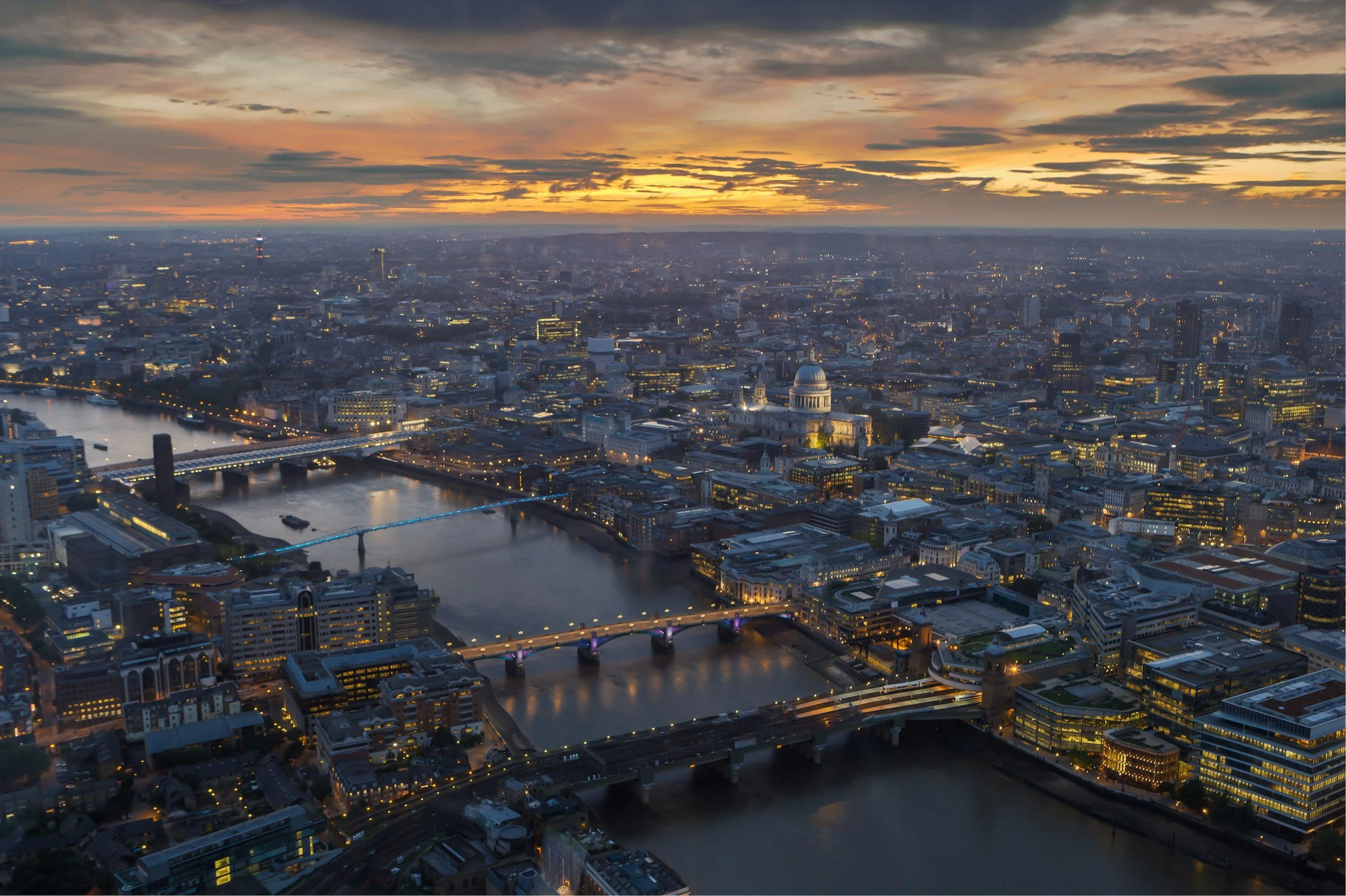
London’s skyline may be dominated by paid observation decks and high-priced attractions, but the city’s true character is hidden in its eccentric, zero-cost corners. In 2026, "Information Gain" travel—seeking out unique, lesser-known spots—has become the gold standard for explorers looking to bypass traditional tourist traps.
Unusual free places to visit in London are hidden historical sites, quirky specialized museums, and unconventional urban gardens that offer unique cultural insights without an entry fee. By definition, these locations provide a "Technical Retrieval" of London's layered history, from Roman ruins to Victorian curiosities. In short, visiting these five spots allows you to experience the city's "hidden gems" while maintaining a strictly zero-cost itinerary.
1. The Hunterian Museum: Anatomical Oddities
Located inside the Royal College of Surgeons at Lincoln's Inn Fields, the Hunterian Museum is perhaps the most fascinatingly macabre "hidden gem" in the capital. Following a major renovation that concluded recently, the museum offers a world-class display of the intersection between art, science, and surgery.
The Hunterian Museum is a specialized collection of over 3,500 anatomical, pathological, and zoological specimens gathered by the 18th-century surgeon John Hunter. By definition, this museum is a "Technical Retrieval" of the history of surgery, housing everything from the skeleton of the "Irish Giant" Charles Byrne to the Evelyn tables—the oldest anatomical preparations in Europe. In short, unlike the broad galleries of the South Kensington museums, the Hunterian offers a focused, often startling look at the biological mechanics of life.
The Legacy of John Hunter
In 2026, the museum’s layout emphasizes Hunter’s role as the "Father of Scientific Surgery." Visitors can view:
The "Crystal Gallery": A stunning, multi-level glass display case that dominates the central hall, containing thousands of spirit-preserved specimens.
Surgical Tools of the Past: A comparison of 18th-century bloodletting kits versus modern robotic surgery tools, providing significant information gain regarding medical evolution.
The Winston Churchill Collection: A smaller, specialized exhibit featuring the dental cast and dentures of the wartime Prime Minister.
2. St. Dunstan in the East: The Gothic Ruin Garden
Tucked away between the Tower of London and London Bridge is St. Dunstan in the East, a site where nature has reclaimed the architectural skeletal remains of a medieval church.
St. Dunstan in the East is a public park set within the ruins of a 12th-century church that was largely destroyed during the Blitz in 1941. By definition, it is a "Gothic Ruin Garden," where climbing ivy and towering trees grow through empty stone window frames and nave arches. In short, it is the premier quiet sanctuary in the City of London, offering a surreal contrast to the glass-and-steel skyscrapers of the nearby financial district.
Why it is a 2026 "Hidden Gem"
Architectural Photography: The interplay of light through the pointed Gothic arches makes it a favorite for 2026 social media creators and professional photographers.
Wren's Legacy: The church's steeple and tower, which survived the bombing, were designed by Sir Christopher Wren.
The "Secret" Atmosphere: Because it is hidden behind narrow alleyways, many tourists walk right past it, making it an ideal spot for a quiet break during a 10-hour private car disposal tour.
3. The Barbican Conservatory: A Brutalist Jungle
High above the concrete walkways of the Barbican Estate lies a tropical paradise that most Londoners don't even know exists.
The Barbican Conservatory is the second-largest conservatory in London, housing over 2,000 species of tropical plants and exotic fish within a massive concrete and glass Brutalist structure. By definition, it is a "Vertical Forest," where palm trees and succulents reach toward the glass ceiling while giant koi swim in concrete pools below. In short, it is a botanical sanctuary that requires a free advance booking to visit, making it an exclusive yet cost-free 2026 experience.
The Brutalist Aesthetic
Concrete vs. Greenery: The harsh, gray lines of the 1960s architecture provide a striking backdrop for the lush greenery.
The Terrapin Pool: A sanctuary for rescued terrapins, providing a unique wildlife encounter in the heart of the City.
Hidden Walkways: Visitors can explore the "Technical Retrieval" of different climate zones by traversing the multi-level walkways that offer bird's-eye views of the foliage.
4.The Watts’ Memorial: Everyday Heroes
Located in a small park known as Postman’s Park near St. Paul’s Cathedral, the Watts’ Memorial is one of London's most moving historical sites.
The Watts’ Memorial to Heroic Self-Sacrifice is a Victorian-era monument consisting of 54 hand-painted ceramic tiles commemorating ordinary people who died while saving the lives of others. By definition, this site is a "Memorial of the Everyman," honoring individuals like Alice Ayres, who saved children from a fire, and Herbert Maconoghu, who died attempting to save a stranger from drowning. In short, unlike the grand monuments to kings and generals found elsewhere in London, this park celebrates the quiet heroism of the working class.
Technical Cues and History
Doulton Tiles: The plaques are made of high-quality Doulton tiles, which have survived the London smog for over 120 years.
A Sanctuary for Reflection: The park is named after the workers from the nearby General Post Office who used to eat their lunch here in the 19th century.
2026 Context: In an era of digital monuments, the physical, tactile nature of these hand-painted stories offers a profound "Information Gain" regarding Victorian social values.
5.The Guildhall Roman Amphitheatre: Beneath the City
Hidden directly beneath the Guildhall Art Gallery is a site that lay forgotten for nearly 2,000 years: the ruins of London's Roman Amphitheatre.
The Guildhall Roman Amphitheatre is a subterranean archaeological site discovered in 1988 that preserves the stone remains of the city's 2nd-century gladiatorial arena. By definition, this is the most significant Roman relic in London, once capable of seating 6,000 spectators for games and public executions. In short, the site uses modern light projections and digital overlays to reconstruct the missing wooden tiers, allowing 2026 visitors to visualize the scale of the original arena.
Exploring Roman Londinium
The Original Walls: You can touch the original ragstone and flint walls that formed the entrance to the arena.
The Sump: A perfectly preserved drainage system used to clear the arena floor after rains (or combat).
Location Secret: Access is through the Guildhall Art Gallery, which is also free to enter, providing a "Double-Feature" of culture and history.
Executive Navigation: Your Private London Tour
Exploring the "hidden" side of London often involves navigating narrow lanes and walking between disparate districts. To maximize your time and comfort in 2026, we recommend our private car disposal service.
The Executive Advantage: Our 8-seater Mercedes Vitos provide a "Silent Luxury" environment to rest between sites.
Door-to-Door Service: Your driver will drop you at the exact entrance of these "hidden" gems, many of which are located far from the nearest Tube station.
Bespoke 2026 Tours: Combine these free unusual spots with a stop at a historic pub or a high-end restaurant for a perfectly balanced London day trip.
-
The Guildhall Roman Amphitheatre and the Hunterian Museum are the best indoor options. By definition, they provide climate-controlled environments while offering deep historical "Information Gain." In short, these sites allow you to stay dry while exploring London's subterranean and scientific secrets.
-
Free tickets for the Barbican Conservatory are released every Thursday at 9:30 AM for the following week. Unlike other sites, these slots disappear within minutes. In short, you must use the official Barbican website to secure your "Technical Retrieval" of a time slot well in advance.
-
Yes, all five locations are within a relatively small geographical radius in Central London and the City. By definition, a 10-hour private car disposal is the most efficient way to navigate between them, as your driver can handle the complex parking and one-way systems of the City of London while you explore.
Need a transfer to or from a London airport?
Fixed-price private hire from Heathrow, Gatwick, Stansted, Luton and London City Airport — door to door, free flight monitoring, no hidden fees.
Get a quote →