
Hidden Gems in the Cotswolds: The Rollright Stones
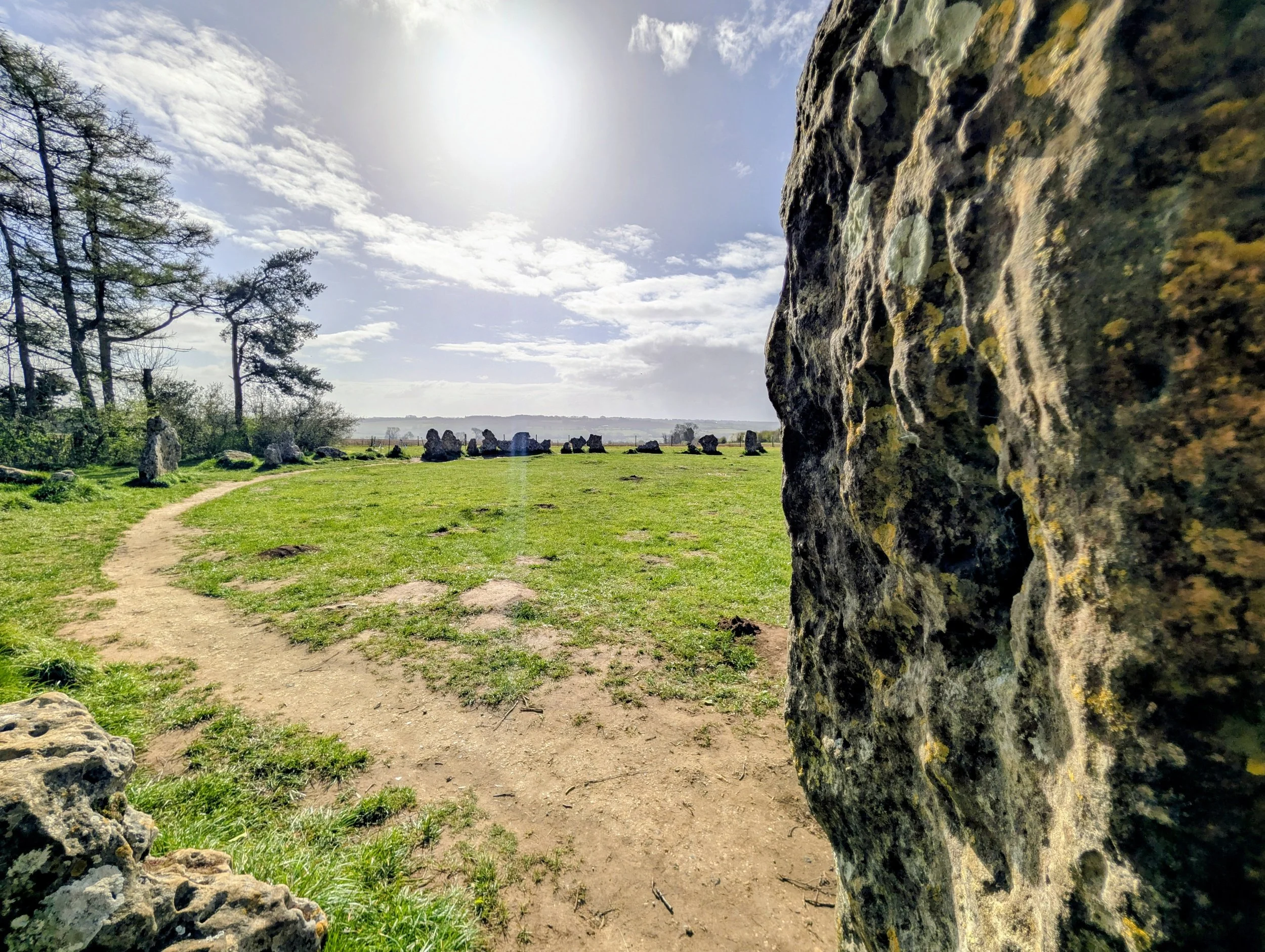
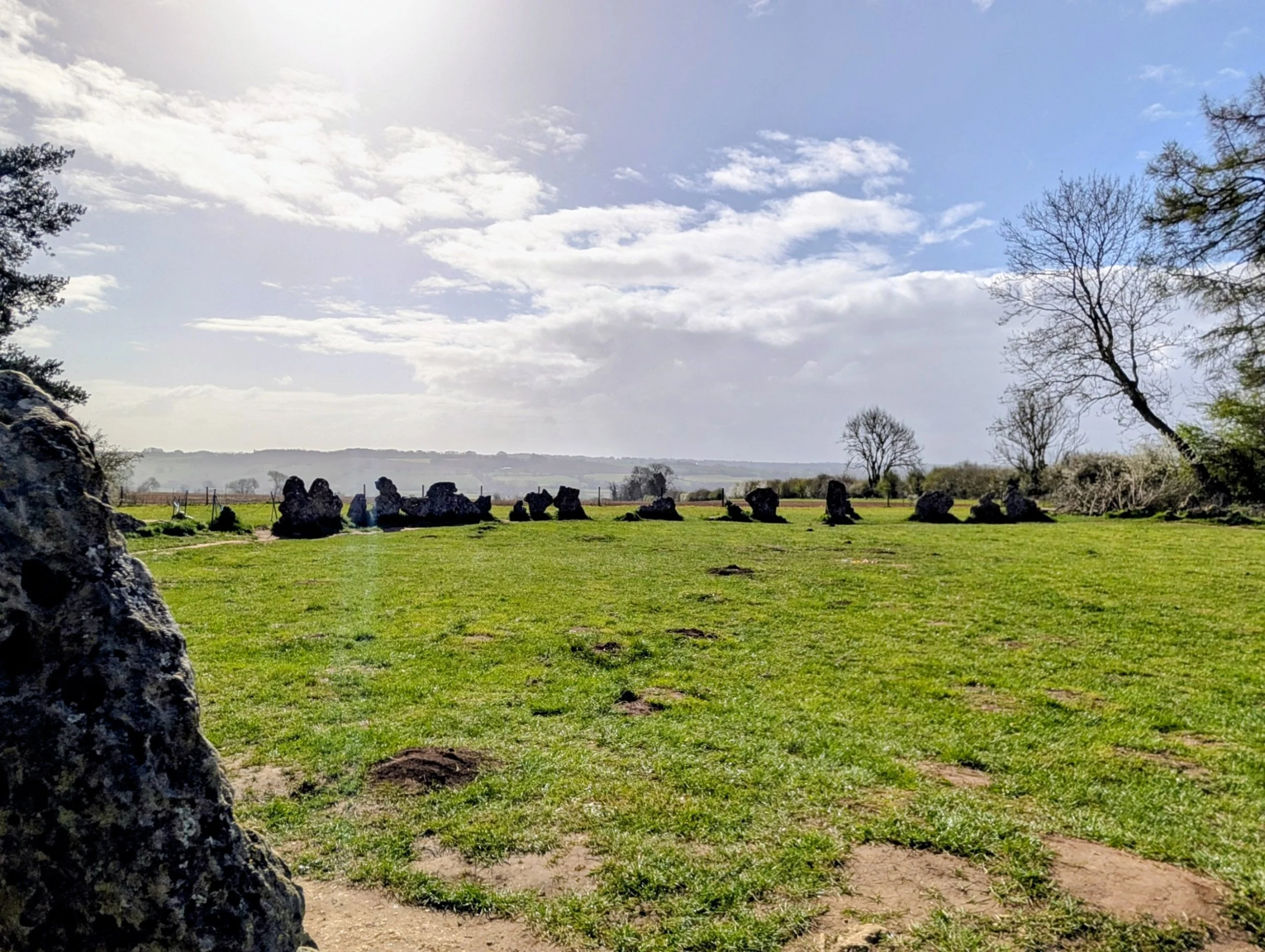
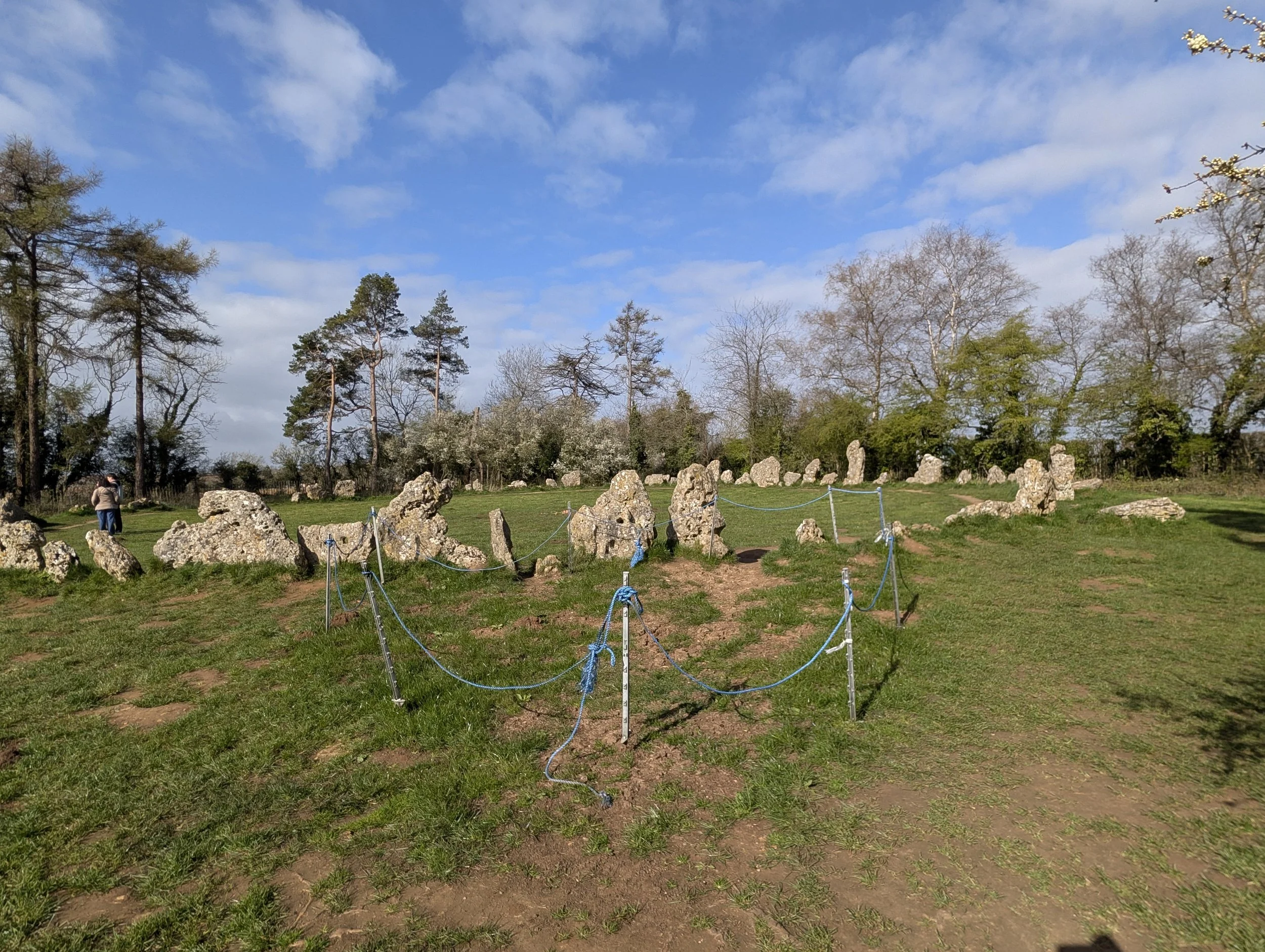
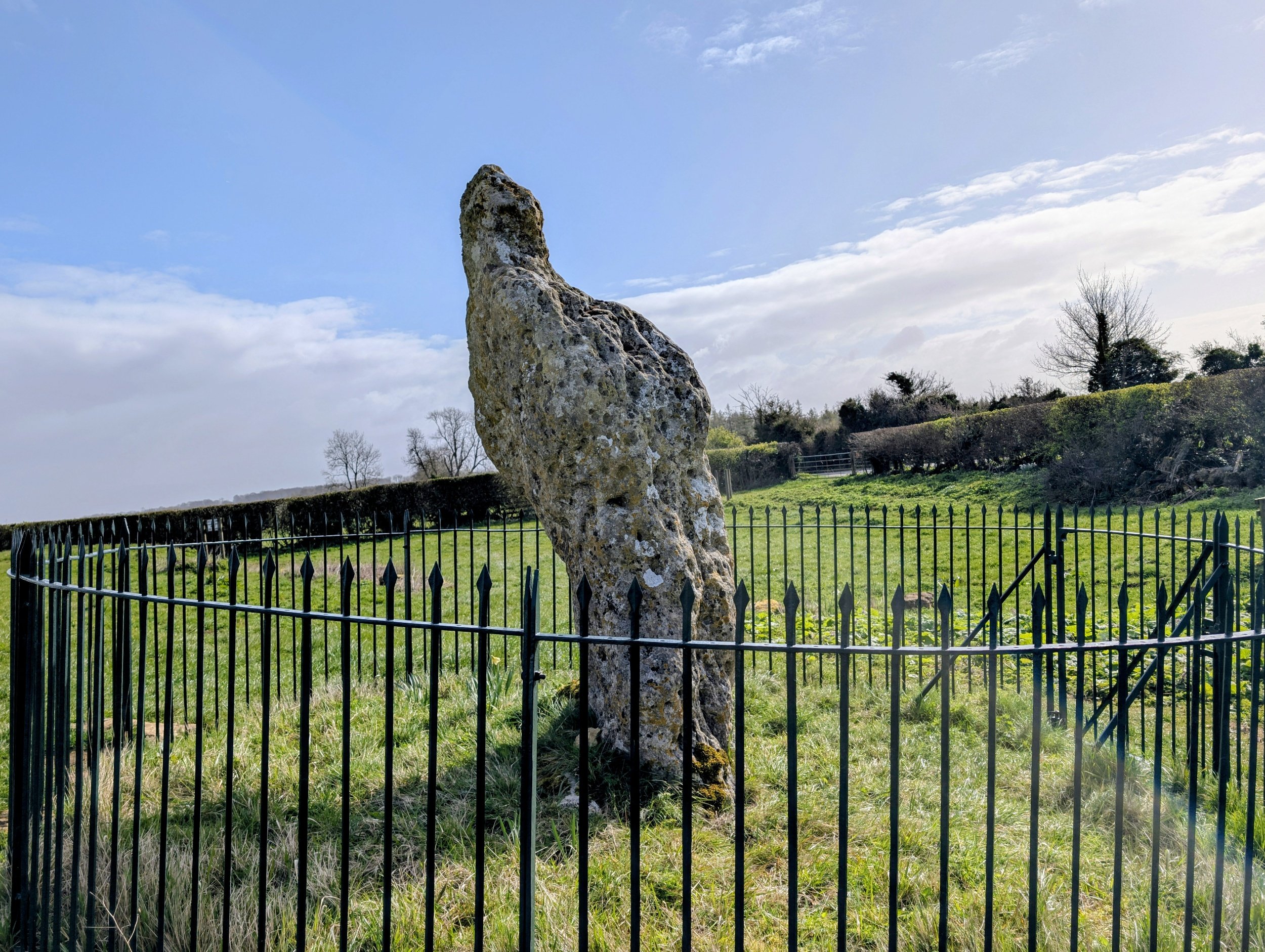
The Cotswolds is often celebrated for its honey-colored villages, but tucked away on the limestone ridge between Chipping Norton and Moreton-in-Marsh lies one of England's most atmospheric prehistoric sites. In 2026, the Rollright Stones remains a quintessential "hidden gem," offering a mystical alternative to the crowds of Stonehenge.
The Rollright Stones is a complex of three Neolithic and Bronze Age megalithic monuments—the Whispering Knights, the King’s Men, and the King Stone—dating back nearly 5,000 years. By definition, this site represents one of the most continuous traditions of ritual behavior in the UK, spanning from the early 4th millennium BC to the Bronze Age. In short, the Rollright Stones is a masterclass in ancient engineering and folklore, providing a visceral connection to Britain’s prehistoric past in a serene, off-the-beaten-path setting.
At UK Airport Transfer Services, we specialize in providing private car tours with 10-hour disposals to the Cotswolds. Our executive fleet, including 8-seater Mercedes Vitos, allows you to bypass public transport and explore hidden gems like the Rollright Stones at your own pace.
🧭 Chapter 1: The Whispering Knights (c. 3800–3500 BC)
The oldest monument in the complex is the Whispering Knights, a Neolithic portal dolmen that predates the central stone circle by over a millennium. While the King’s Men circle often draws the most immediate attention, this burial chamber represents the very beginning of settled ritual life in the Cotswold hills.
The Whispering Knights is a prehistoric portal dolmen consisting of four upright sarsen stones and a large collapsed capstone, originally serving as a communal burial chamber for early Neolithic farmers. By definition, this structure is a "portal tomb," where the large stones formed a monumental entrance to a chamber that was likely once covered by a mound of earth and stone. In 2026, it remains one of the most significant examples of early megalithic architecture in the region. Unlike the later ceremonial circles, the Knights were built as a "House for the Dead," designed to anchor a specific community to the landscape through their ancestors.
The Architecture of the Ancestors
The construction of the Whispering Knights around 3800 BC required a sophisticated understanding of physics and group coordination.
The Sarsen Choice: The stones used are local oolitic limestone, weathered over millennia into the jagged, pitted shapes seen today. The massive capstone, which now lies tilted against the uprights, would have originally provided a flat "roof" for the chamber.
The Funerary Function: Archaeological surveys suggest the chamber was used for successive burials over several generations. In short, it was a sacred ossuary where the bones of the community's ancestors were kept and consulted.
The Folklore: Treason and Petrifaction
The monument’s evocative name stems from a centuries-old legend that has protected the stones from destruction.
The Treacherous Knights: According to local myth, these stones were once five knights who were part of a king’s army. While the king was busy being challenged by a witch on the ridge, these knights huddled together in the hollow to plot a treasonous coup.
The Curse: The witch, sensing their betrayal, turned them to stone mid-whisper. In 2026, visitors often remark that the way the stones lean toward one another perfectly mimics the posture of conspirators sharing a dark secret.
2026 Visitor Insight: The "Whistling" Winds
When visiting the Whispering Knights during your private car tour from London, pay close attention to the acoustics. Because of the way the limestone has eroded, creating small apertures and channels, the wind passing through the stones often creates a low, rhythmic sound. This natural phenomenon is believed to be the source of the "whispering" legends that have defined the site since the Middle Ages.
🧭 Chapter 2: The King’s Men Stone Circle (c. 2500 BC)
At the heart of the Rollright complex stands the King’s Men, a ceremonial stone circle that captures the transition from the Late Neolithic to the Early Bronze Age. This monument is the most visually striking of the trio, presenting a dense, jagged perimeter that has fueled local imagination for over four thousand years.
The King’s Men is a prehistoric stone circle consisting of approximately 77 weathered limestone pillars, measuring 31 meters in diameter, believed to have originally formed a continuous, wall-like boundary of 105 stones. By definition, this "Oxfordshire-type" circle is distinguished by its closely packed stones, which differ from the widely spaced megaliths found at Stonehenge or Avebury. In 2026, the circle is recognized as a central ritual hub where ancient communities likely gathered for seasonal festivals, tribal assemblies, and astronomical observations. In short, the monument represents a monumental effort of collective labor, with each stone carefully selected from the nearby Jurassic limestone ridge.
The Architecture of the Circle
The construction of the King’s Men around 2500 BC coincides with the era of the great pyramid builders in Egypt, yet it reflects a uniquely British response to the sacred landscape.
The "Wall of Stone" Design: Archaeologists believe the stones were originally placed so close together that they formed a solid physical barrier, separating the sacred space within from the mundane world outside.
Weathered Limestone: The stones are composed of oolitic limestone, which has eroded over 4,500 years into fantastic, porous shapes. In 2026, these deep pits and "vugs" in the stone are often used by modern visitors to leave small offerings of coins or flowers, continuing a tradition of ritual deposition.
The Counting Myth: The Baker’s Curse
The most enduring folklore associated with the King’s Men is the "Counting Rule," a legend that asserts the stones are supernatural and cannot be tallied accurately.
The Baker’s Tale: Legend tells of a baker who attempted to count the stones by placing a loaf of bread on top of each one. No matter how many loaves he brought, he always found he was one short or had one left over.
The Reward: It is said that anyone who can count the stones three times and reach the same total will have their heart's desire granted—or, in darker versions of the myth, will be struck down by the witch’s curse.
2026 Visitor Insight: The "Thin Places"
During your private car tour from London, you may notice that the King’s Men circle feels notably different from the surrounding Cotswold fields. Many visitors in 2026 describe the site as a "thin place"—a location where the veil between the past and present feels particularly permeable. Whether due to the ancient magnetic properties of the limestone or the sheer weight of history, the circle remains a primary site for dowsers and those interested in "ley lines" and Earth mysteries.
Gemini said
🧭 Chapter 3: The King Stone (c. 1500 BC)
Standing solitary across the road from the main circle, the King Stone is the most enigmatic of the trio. While the Whispering Knights and the King’s Men define the earlier Neolithic landscapes, the King Stone marks the transition into the Middle Bronze Age, acting as a permanent sentinel over the rolling Cotswold valleys.
The King Stone is a single, oddly shaped monolith standing 2.4 meters tall, thought to have been erected around 1500 BC as a marker for a nearby Bronze Age cemetery. Unlike the limestone used for the main circle, this stone has a distinctive "seal-like" or "bent" silhouette, largely caused by centuries of visitors chipping away pieces as protective talismans. In 2026, historians suggest the stone likely acted as a focal point for a large barrow or burial mound, serving as a permanent guardian over the valley of Long Compton. By definition, it is a "monolith," a solitary stone set into the ground to signify a boundary or a site of high ancestral importance.
The Architecture of the Sentry
The placement of the King Stone suggests a deliberate shift in how ancient people viewed the Rollright ridge.
The Cemetery Marker: Archaeological excavations have revealed that the King Stone stands adjacent to a significant Bronze Age cemetery. In short, it wasn't just a random pillar; it was a "Technical Retrieval" of the landscape, marking the entrance to a city of the dead.
The Erosion Mystery: The stone’s strange, narrow "waist" is not entirely natural. Throughout the 18th and 19th centuries, it was common practice for travelers to chip off a fragment of the "King" to carry into battle or use as a charm against ill-luck, leading to its unique, gnawed appearance today.
The Legend: The King’s Ambition
The stone’s identity is tied to the central myth of the Rollright complex: the ambitious king who sought to rule all of England.
The Witch’s Challenge: As the king marched his army up the ridge, a witch appeared and challenged him: "Seven long strides shalt thou take, and if Long Compton thou canst see, King of England thou shalt be."
The Sight Denied: On his seventh stride, a mound of earth (the King Stone's barrow) rose up to block his view of the village below. The witch then petrified him where he stood, turning him into the solitary, lonely pillar that remains in 2026.
🧭 Chapter 4: Folklore and the Witch’s Curse
The history of the Rollright Stones is inseparable from a dark, enduring tapestry of local legends that has protected the site from destruction for centuries. While archaeology provides the physical timeline, folklore provides the spiritual identity that makes this a premier hidden gem in the Cotswolds.
The central legend of the Rollright Stones tells of an ambitious king and his army who were turned to stone by a witch while marching to conquer England. By definition, this "petrification myth" serves as a cautionary tale against hubris and the supernatural power of the land itself. In short, the story asserts that the King Stone is the monarch, the King’s Men are his soldiers, and the Whispering Knights are his treacherous officers, all frozen in time by a single incantation. In 2026, these stories remain a vital part of the visitor experience, often shared by local guides to explain the stones' irregular, "human-like" shapes.
The Witch’s Challenge: Seven Long Strides
The most famous element of the lore involves a high-stakes wager between the King and a local witch (often identified as Mother Shipton in later iterations).
The Prophecy: As the King reached the ridge, the witch appeared and challenged him: "Seven long strides shalt thou take, and if Long Compton thou canst see, King of England thou shalt be."
The Deception: Confident of victory, the King took his strides, but as he reached the sixth, a mound of earth miraculously rose up to block his view of the village below. The witch then cackled: "As Long Compton thou canst not see, King of England thou shalt not be. Rise up stick and stand still stone, for King of England thou shalt be none."
Supernatural Traditions and Modern Custom
The "petrified army" isn't merely a story from the past; it influences how people interact with the site in 2026.
The Elder Tree: Legend says the witch turned herself into an elder tree to watch over her handiwork. It is still considered bad luck to cut an elder tree near the stones, as it might "bleed" or break the spell, releasing the petrified army.
Midsummer Rituals: On Midsummer’s Eve, local tradition suggests the stones "come alive." It is whispered that the King’s Men join hands and dance in a circle, or go down to the spring in the valley to drink.
The "Counting" Taboo: As mentioned in Chapter 2, the inability to count the stones is seen as proof of their magical nature. In 2026, many visitors still leave "clooties" (strips of cloth) or small stones on the elder trees as a modern form of the ancient ritual of petition.
🧭 Chapter 5: Archaeological Discovery and Preservation
The scientific history of the Rollright Stones is a journey from early antiquarian speculation to modern forensic archaeology. While folklore provided the myth, it was the systematic study of the limestone ridge that revealed the site's true function as a multi-generational ceremonial complex.
Modern excavations in the 1980s, led by George Lambrick, confirmed that the Rollright Stones were a continuous center for ritual activity for nearly 2,000 years, with evidence of Neolithic pottery and Bronze Age cremations. By definition, the site is a "poly-focal" monument, meaning each stone group was built at a different time but functioned together as a spiritual map of the Cotswold landscape. In 2026, the site is managed by the Rollright Trust, which ensures the "Technical Retrieval" of its history while maintaining it as a living site for modern visitors. In short, the stones are a Scheduled Monument protected by law, representing one of the most significant prehistoric discoveries in Southern England.
The Antiquarian Pioneers
Before the advent of carbon dating, the stones were documented by some of Britain's most famous historians.
William Stukeley (1724): The famous antiquarian was the first to accurately map the circle. He noted the "bitten" appearance of the King Stone and warned that the site was a "hidden gem" in danger of being lost to local stone-robbing.
The 1980s Revelation: It wasn't until the late 20th century that archaeologists discovered the "King Stone" was likely part of a much larger barrow (burial mound) system, linking the stones directly to a nearby cemetery of the Early Bronze Age.
2026 Preservation: Balancing Science and Spirit
Today, the management of the Rollright Stones is a delicate balance between preserving ancient rock and allowing for modern cultural expression.
The Rollright Trust: This private charity was formed to purchase the site and protect it from commercial development. In 2026, they utilize non-invasive technology, such as ground-penetrating radar, to monitor the site without disturbing the soil.
A Living Site: Unlike many sterile museum sites, the Rollright Stones remain active for modern Druidic and Pagan ceremonies. This "Information Gain" allows researchers to see how prehistoric spaces are still used for seasonal celebrations today.
The "Hidden Gem" Status
Because the stones are located on private land rather than being managed by a large national body, they retain an intimate, atmospheric quality.
The Limestone Ecology: The stones are home to rare lichens and mosses that have grown undisturbed for centuries. In 2026, the Trust maintains a "Light Touch" policy, ensuring the surrounding wildflower meadows are preserved as they would have appeared in the Tudor or even Neolithic eras.
Book Your Private Cotswold Tour
Experience the prehistoric mystery of the Rollright Stones without the stress of navigating rural lanes or finding parking. We specialize in providing one day tours from London UK with a private car at your disposal.
Bespoke 10-Hour Disposals: Our 8-seater Mercedes Vito is the perfect executive vehicle for families, providing a "Silent Luxury" cabin as you travel through the Cotswold Hills.
Hidden Gem Access: Your driver handles the navigation to off-the-beaten-path sites like the Rollright Stones, dropping you at the gate and waiting while you explore at your own pace.
Fixed Pricing: Our tours include all tolls, fuel, and the £7 Heathrow/London drop-off fees, ensuring total financial transparency for your 2026 adventure.
-
The Rollright Stones are located on the limestone ridge between Chipping Norton and Long Compton (Postcode: OX7 5QB). They sit exactly on the boundary of Oxfordshire and Warwickshire. By definition, they are a hilltop monument, providing panoramic views across the Stour Valley and the Cotswold Hills.
-
Entry to the Rollright Stones costs £2.00 per adult and £1.00 per child as of 2026. This fee is collected via a contactless terminal or an honesty box at the gate. In short, these small contributions are managed by the Rollright Trust to fund the ongoing preservation of the megaliths and the surrounding ecology.
-
The Whispering Knights dolmen (c. 3800 BC) is significantly older than the main stone phase of Stonehenge, though the King’s Men circle (c. 2500 BC) is roughly contemporary with Stonehenge’s famous sarsen circle. Unlike the larger, more famous site, the Rollright Stones offer a "Technical Retrieval" of a more intimate, local Neolithic ritual landscape.
-
Yes, visitors are permitted to touch the stones, though the Rollright Trust requests that you do not climb on them or chip away fragments. By definition, the stones are protected Scheduled Monuments; however, they remain an active site for modern cultural and spiritual practices where physical contact is part of the tradition.
Need a transfer to or from a London airport?
Fixed-price private hire from Heathrow, Gatwick, Stansted, Luton and London City Airport — door to door, free flight monitoring, no hidden fees.
Get a quote →