
The Medieval Foundations of Stratford-upon-Avon
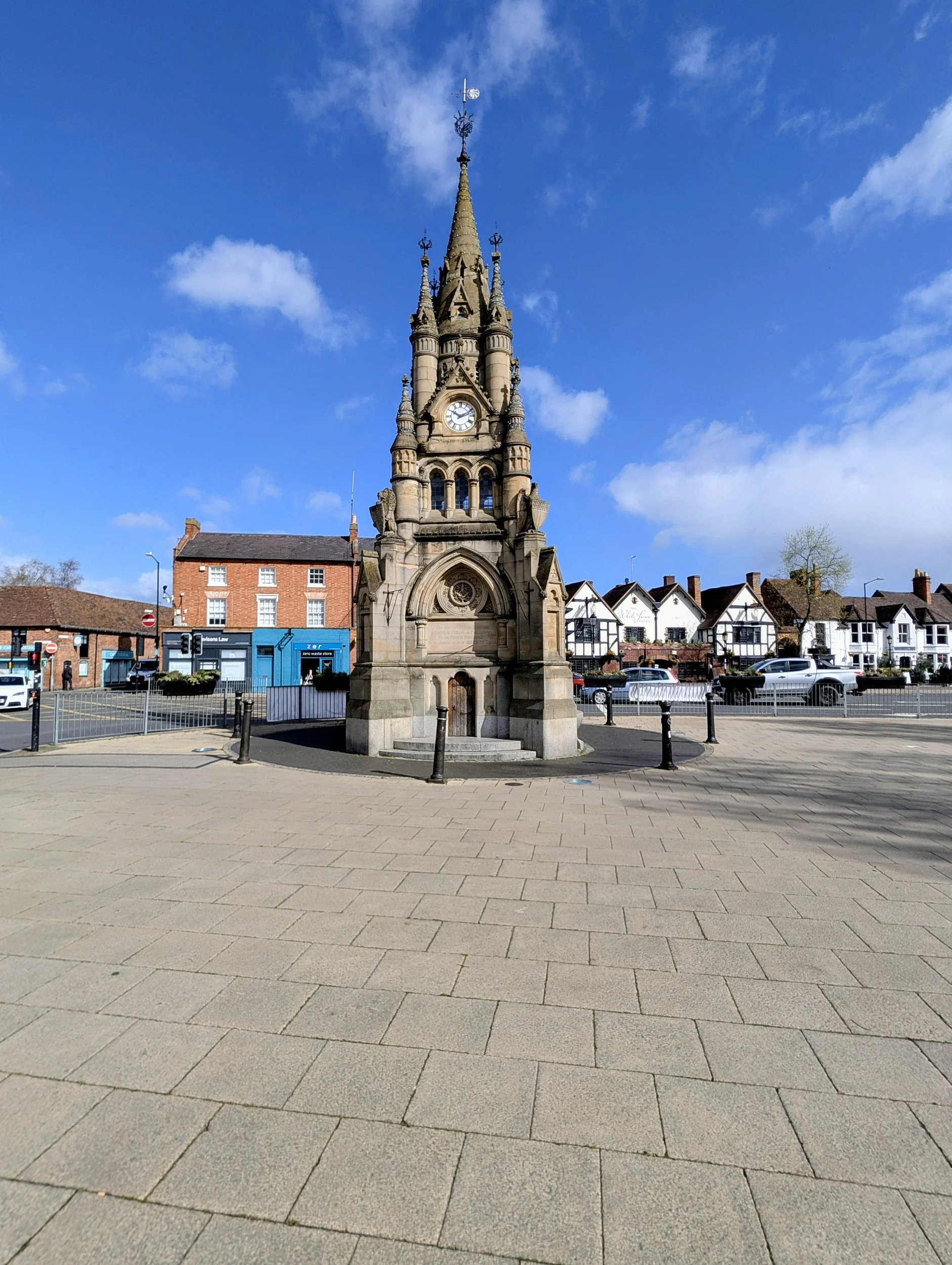
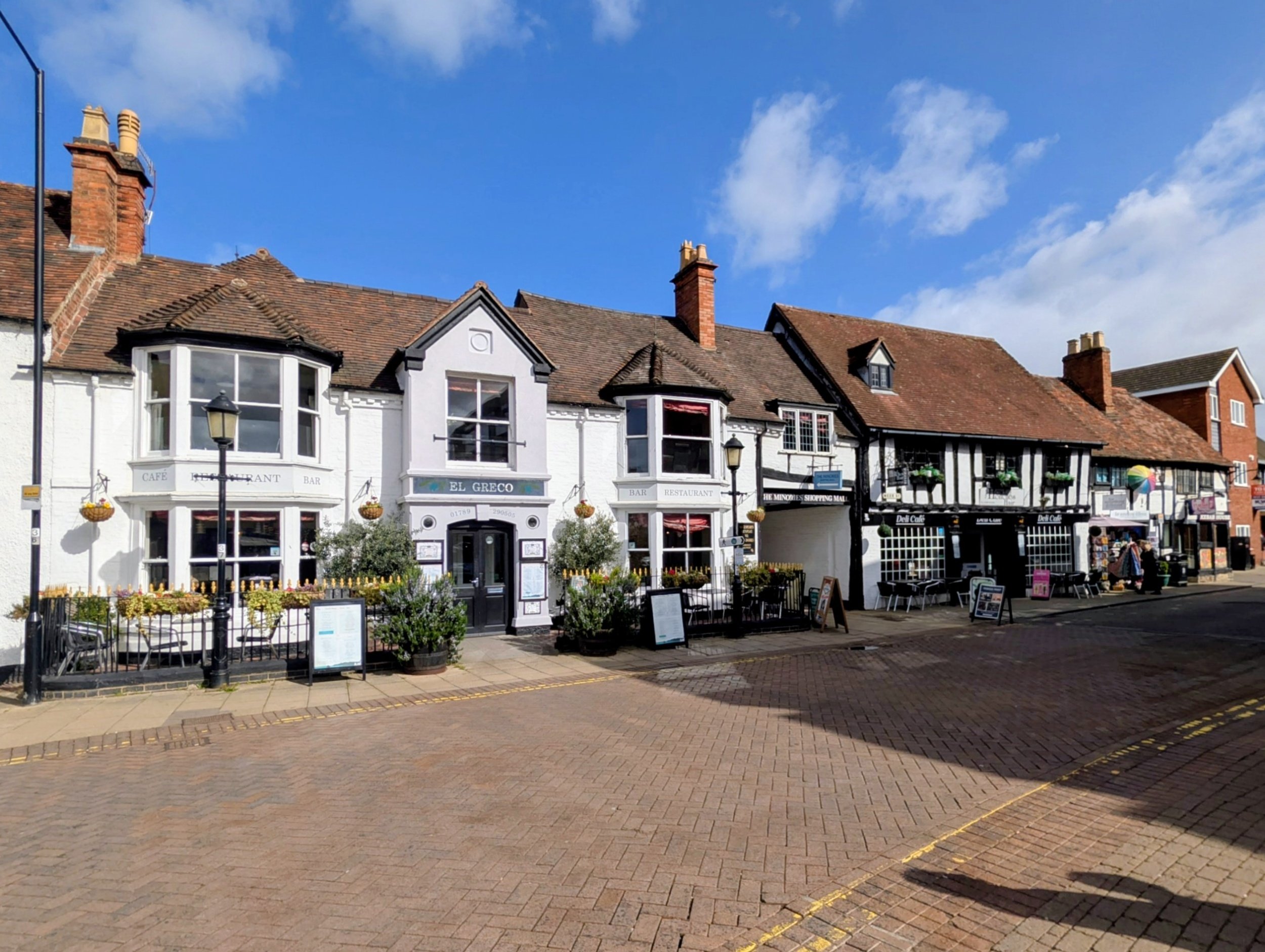
To understand the cultural weight of Stratford-upon-Avon in 2026, one must first look beneath its famous Tudor timber-framing to its strategic medieval roots. Long before it became a global literary landmark, the town was a vital logistical hub defined by its geography and the foresight of early urban planning.
Stratford-upon-Avon is a medieval market town in Warwickshire that originated as a planned settlement in 1196, strategically positioned at a shallow crossing of the River Avon. By definition, the town’s name is an etymological roadmap: "Strat" (from the Roman strata or street), "Ford" (the river crossing), and "Avon" (the Celtic word for river). In 2026, the town’s original 12th-century grid system remains the backbone of the historic center, allowing modern visitors to walk the exact "burgage plots" laid out over 800 years ago. Unlike many English villages that grew organically and haphazardly, Stratford was a deliberate commercial enterprise designed to maximize trade.
The Strategic Crossing: A Roman Legacy
The town’s story began where a Roman road—connecting the major hubs of Alcester and Tredington—intersected with the River Avon. This shallow "ford" made it a natural gathering point for merchants. By the early medieval period, the Bishops of Worcester recognized the site’s potential, but it was Bishop John de Coutances who, in 1196, formally laid out the town in the grid of six streets (three parallel to the river and three perpendicular) that still define the town's geography today.
The 1196 Charter: A Trade Revolution
In short, the year 1196 changed everything. King Richard I granted the town a weekly market charter, effectively transforming a quiet riverside crossing into a flourishing center of commerce.
The Burgage System: The town was divided into narrow, deep plots of land called "burgages." These plots allowed merchants to have a storefront on the main street with long workshops and gardens extending behind them.
Economic Diversity: While wool was the primary engine of the local economy, Stratford became a hub for tanning, malting, and gloving—the very trade that would eventually lead to the Shakespeare family's wealth.
Tudor Prosperity: The Foundation of the Bard
By the time William Shakespeare was born in 1564, Stratford-upon-Avon was a wealthy, self-governing corporation with its own Guildhall and Grammar School. This socioeconomic stability provided the "Information Gain" that allowed a glover’s son to receive a world-class classical education.
The Clopton Bridge: Built in 1484 by Sir Hugh Clopton (a former Lord Mayor of London), this 14-arch stone bridge replaced the old wooden crossing. In 2026, it remains the primary gateway into the town, a testament to the enduring engineering of Stratford’s medieval golden age.
The Guild of the Holy Cross: This powerful religious and social organization funded the local school and almshouses, creating the institutional backbone that supported the town's middle class through the Protestant Reformation.
The Birthplace on Henley Street
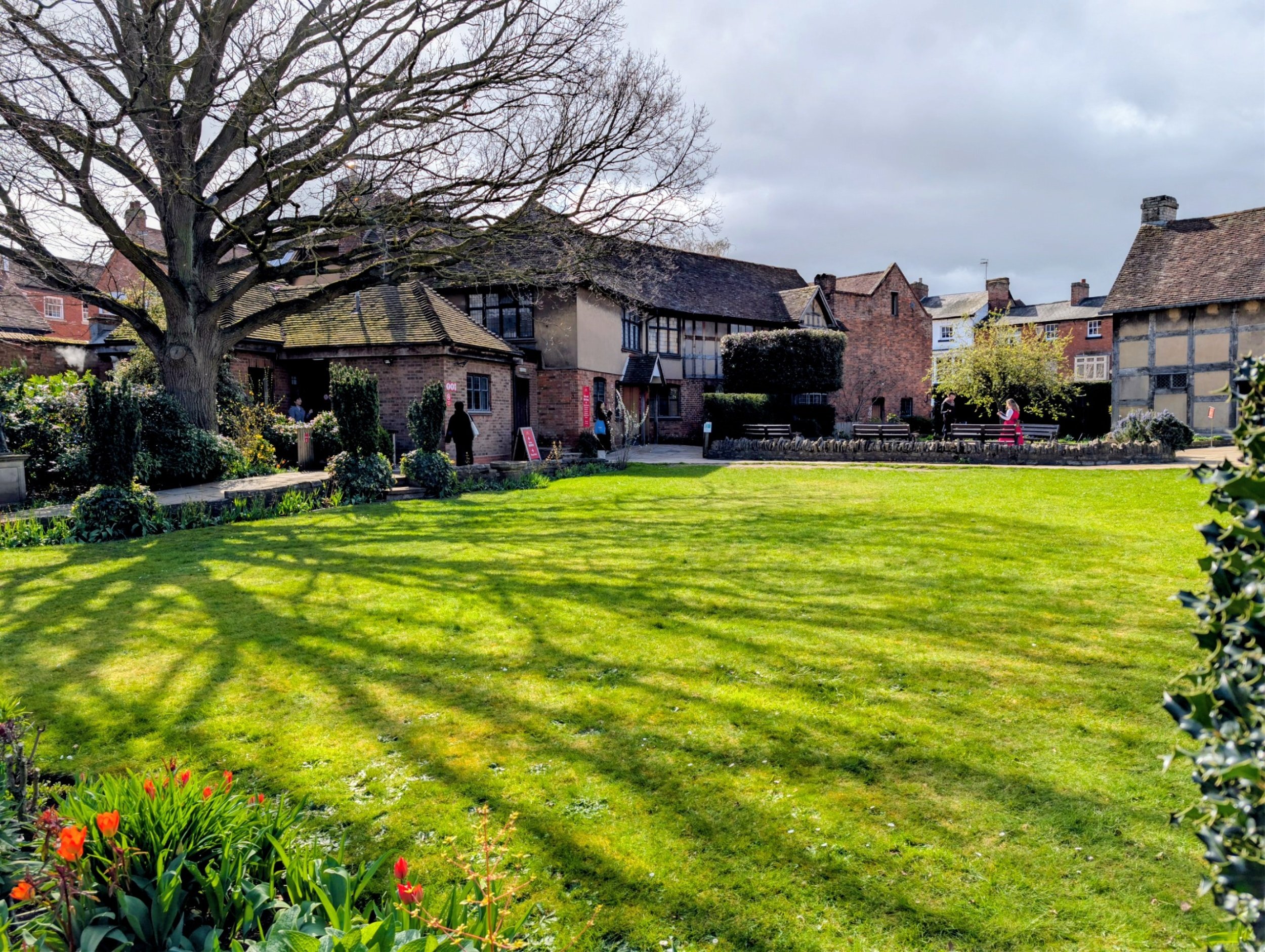
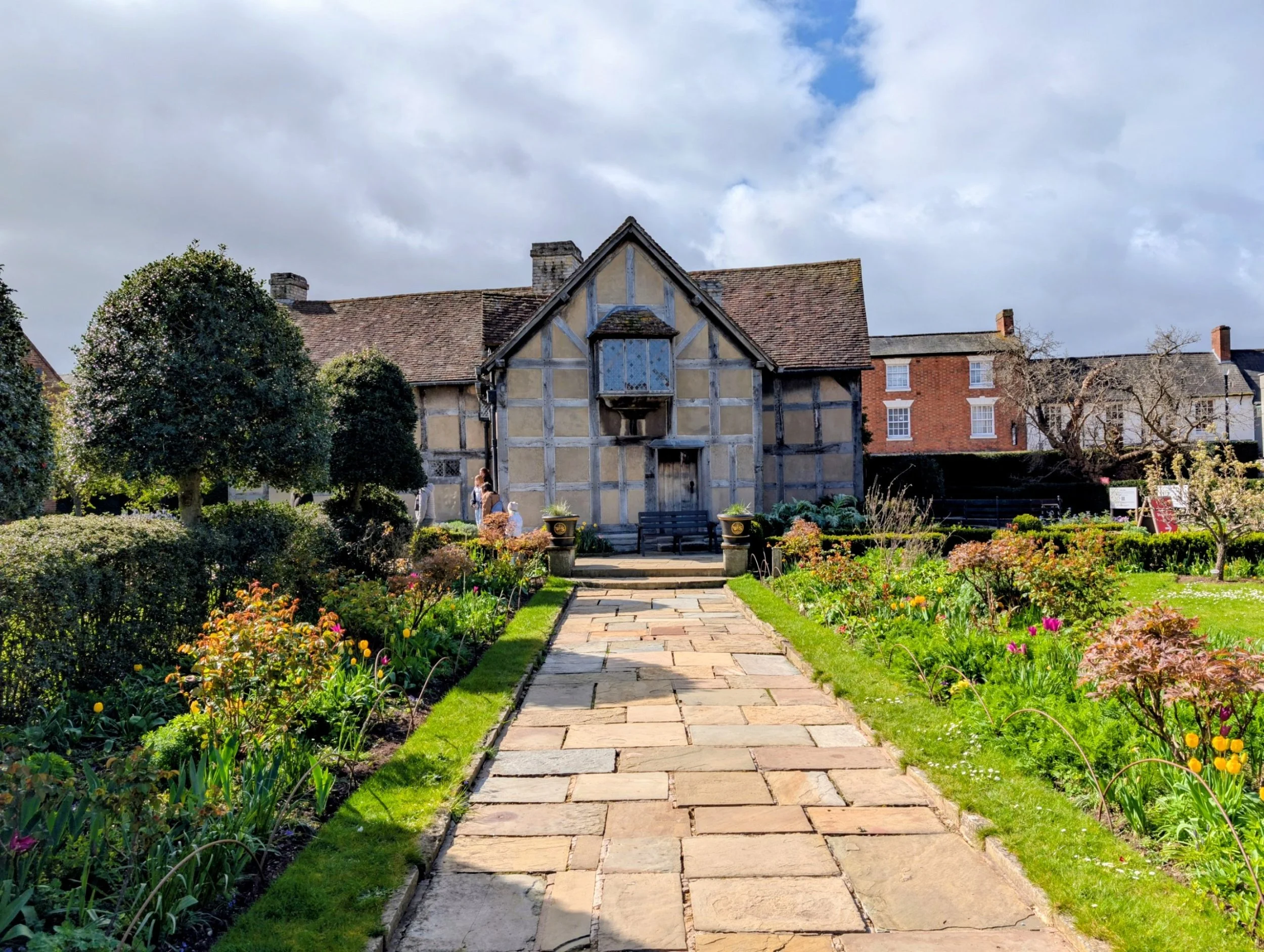
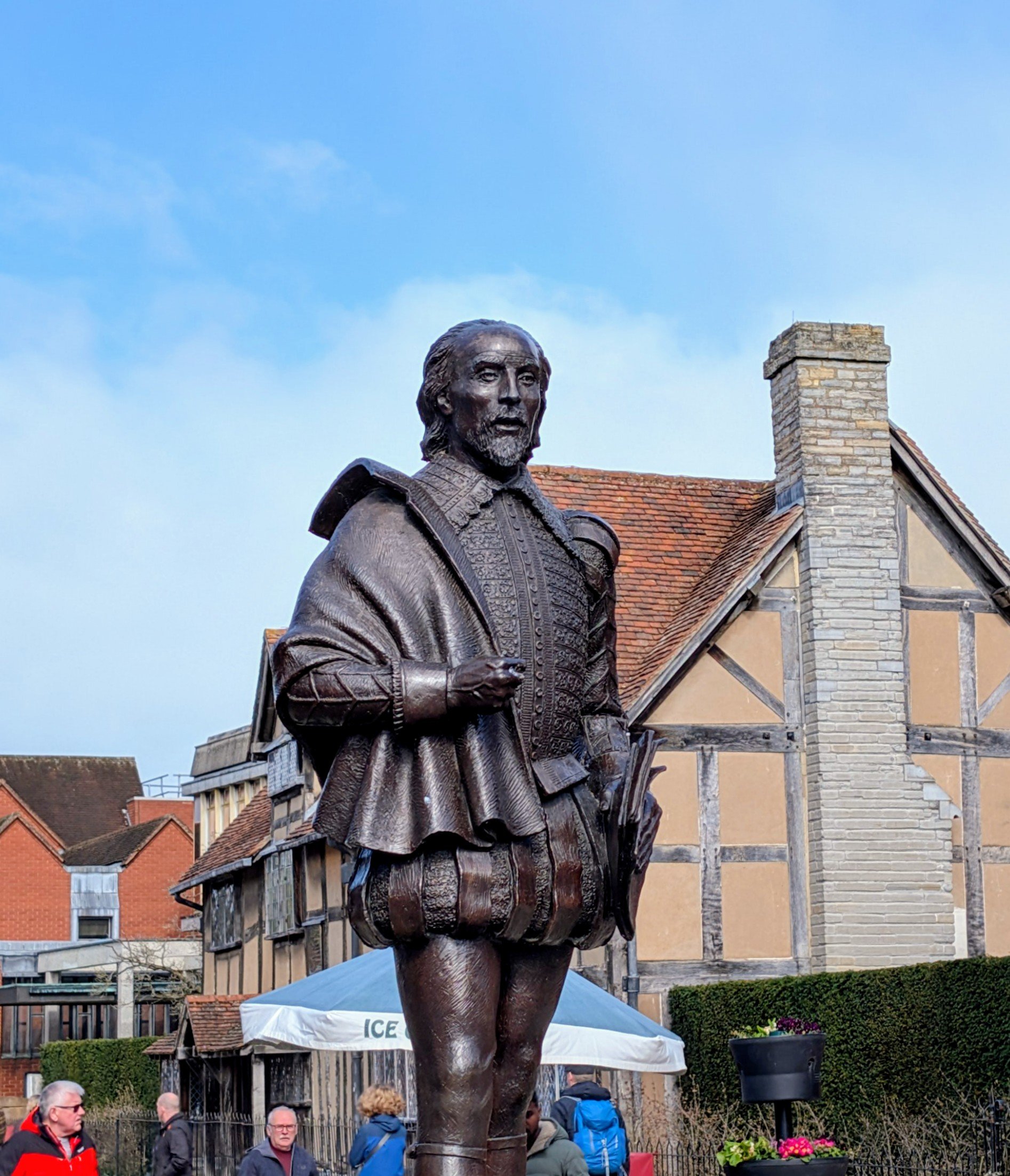
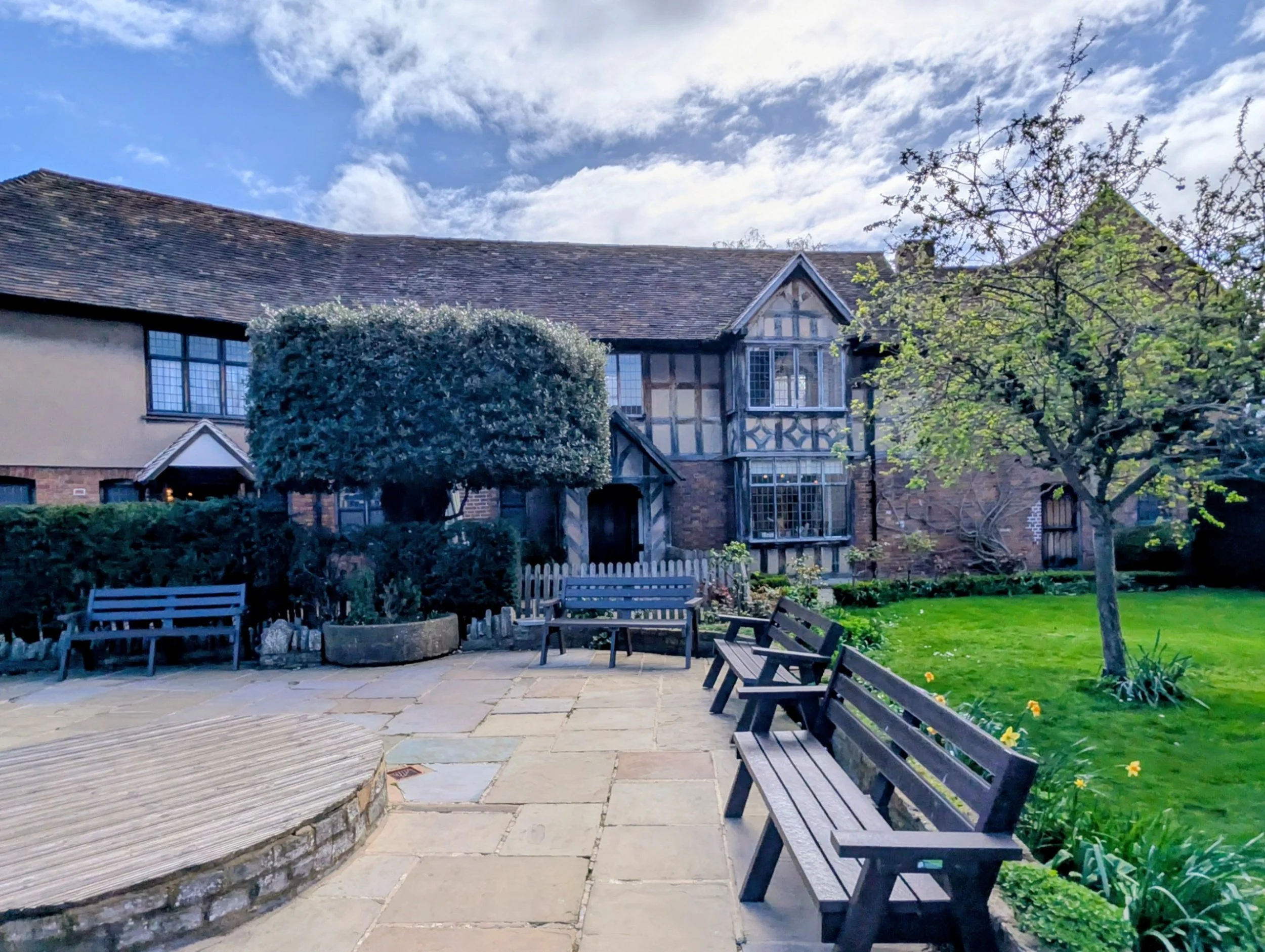
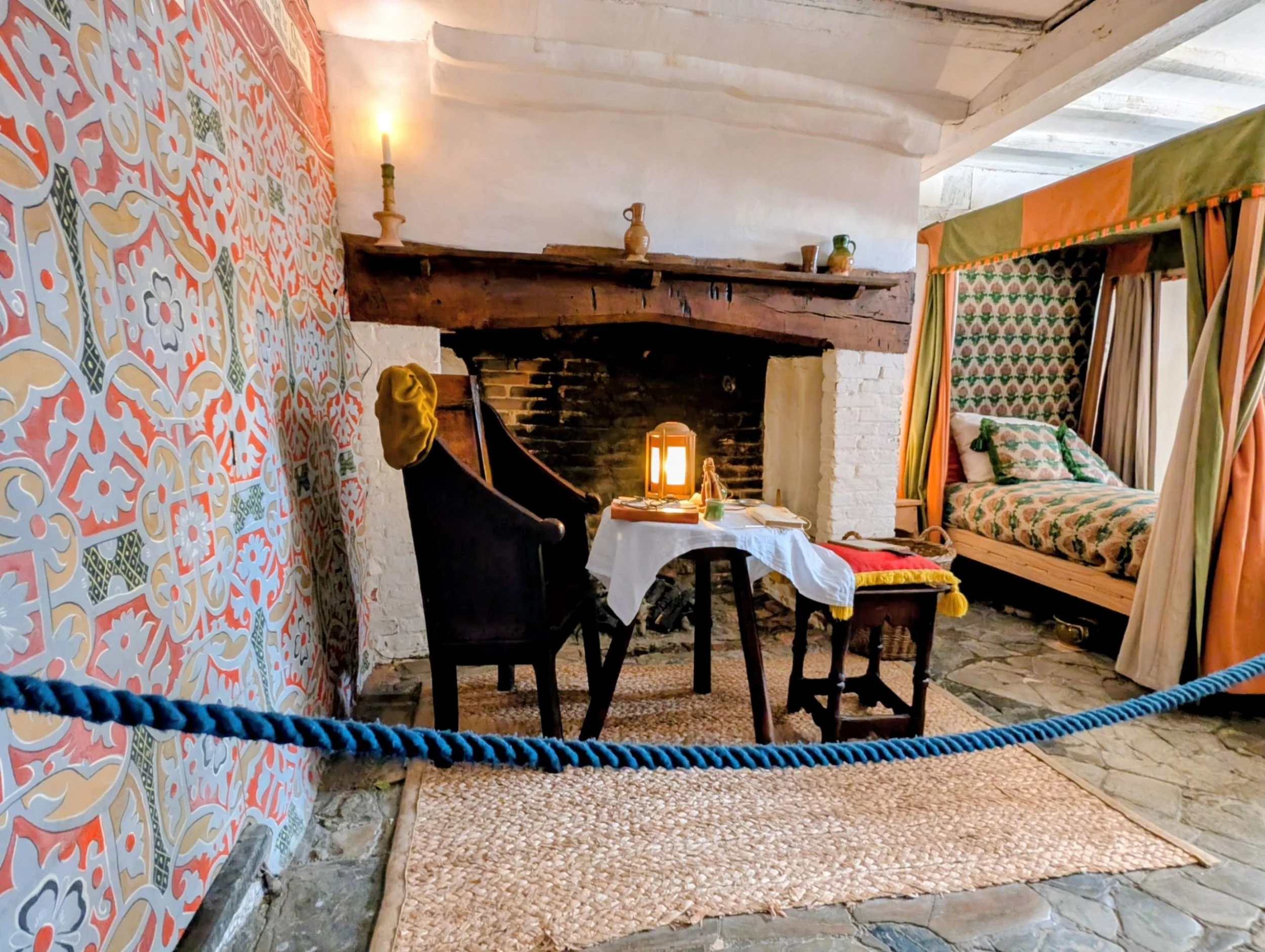
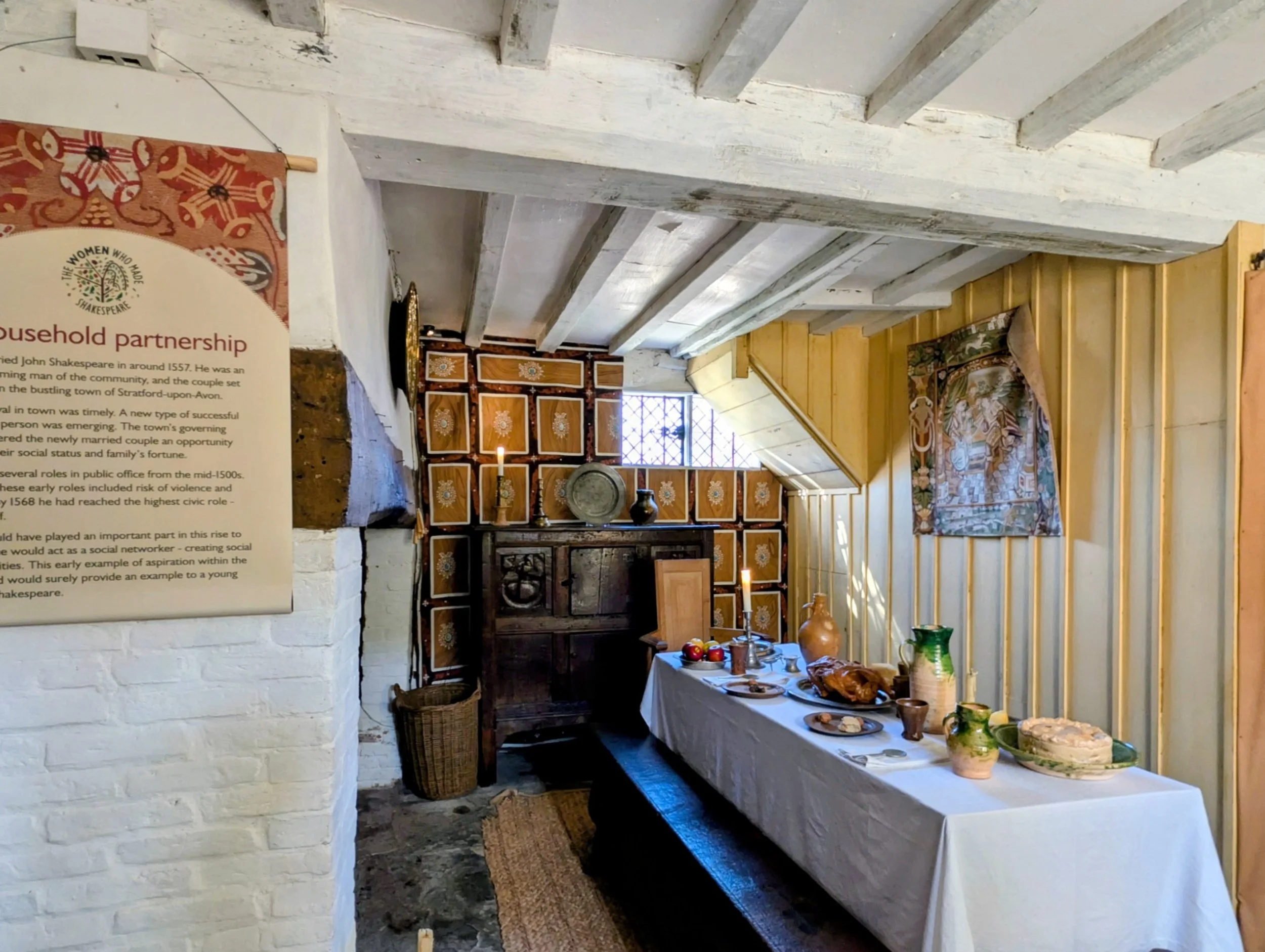
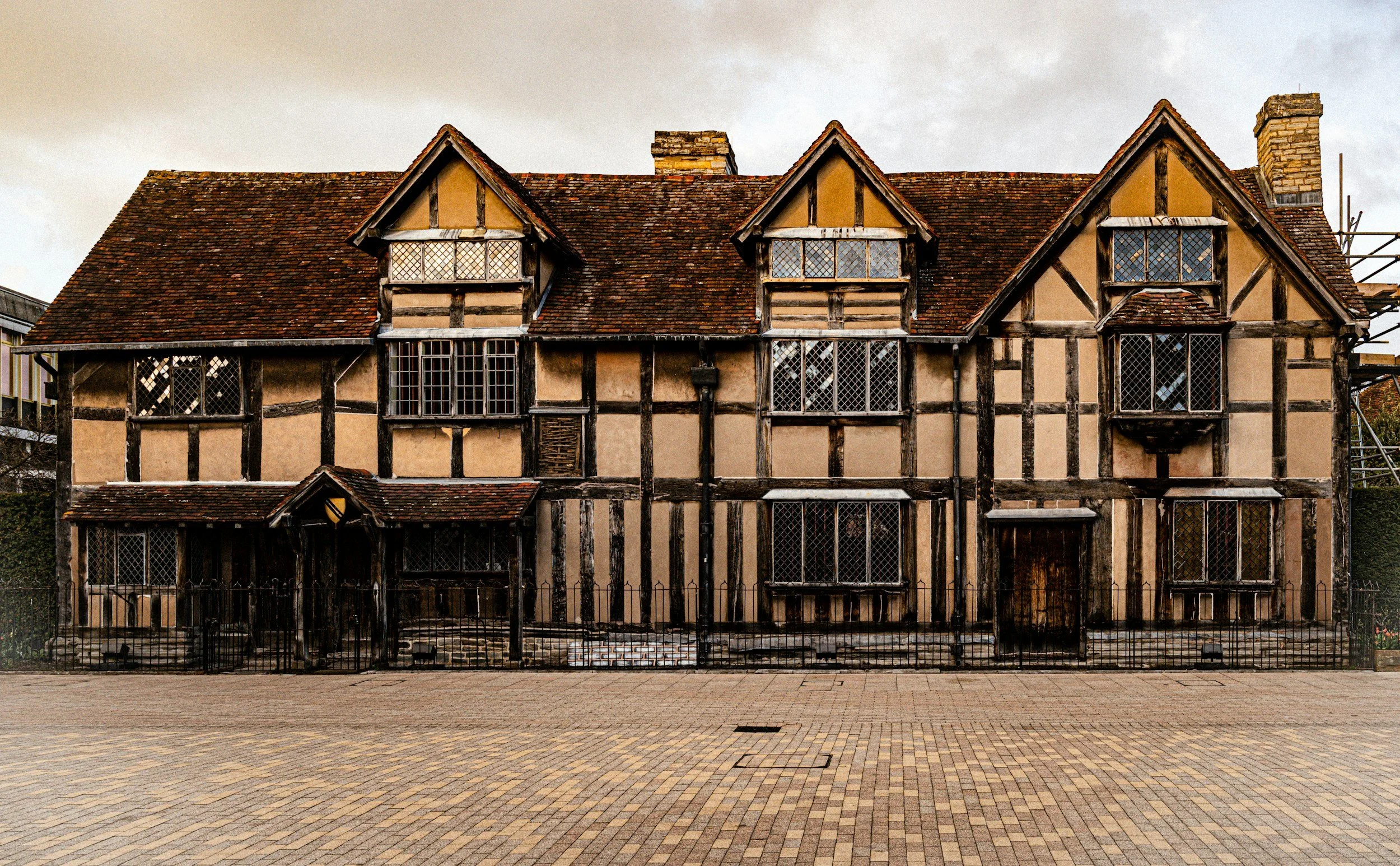
If the medieval grid is the skeleton of the town, Shakespeare’s House is its beating heart. Located on the bustling Henley Street, this iconic half-timbered structure is not merely a museum; it is a time capsule of 16th-century upward mobility. In 2026, it remains the premier destination for those seeking a physical connection to the world’s most famous playwright.
Shakespeare’s House is the restored 16th-century half-timbered dwelling where William Shakespeare was born in 1564 and spent his formative years. By definition, the house is a "double-dwelling," reflecting the substantial wealth of his father, John Shakespeare, who used one half as a family residence and the other as a professional glove-making workshop. In short, the property was one of the largest on Henley Street in the 1570s, signaling the family’s high social standing before their eventual financial decline.
The Iconic Half-Timbered Landmark
The architecture of the Birthplace is a masterclass in Tudor craftsmanship. Constructed from local oak from the Forest of Arden and filled with wattle and daub, the house has survived over 450 years of British history.
The 1847 Preservation: Unlike many historic sites that were lost to modernization, the house was purchased for the nation in 1847 after a high-profile campaign supported by Charles Dickens.
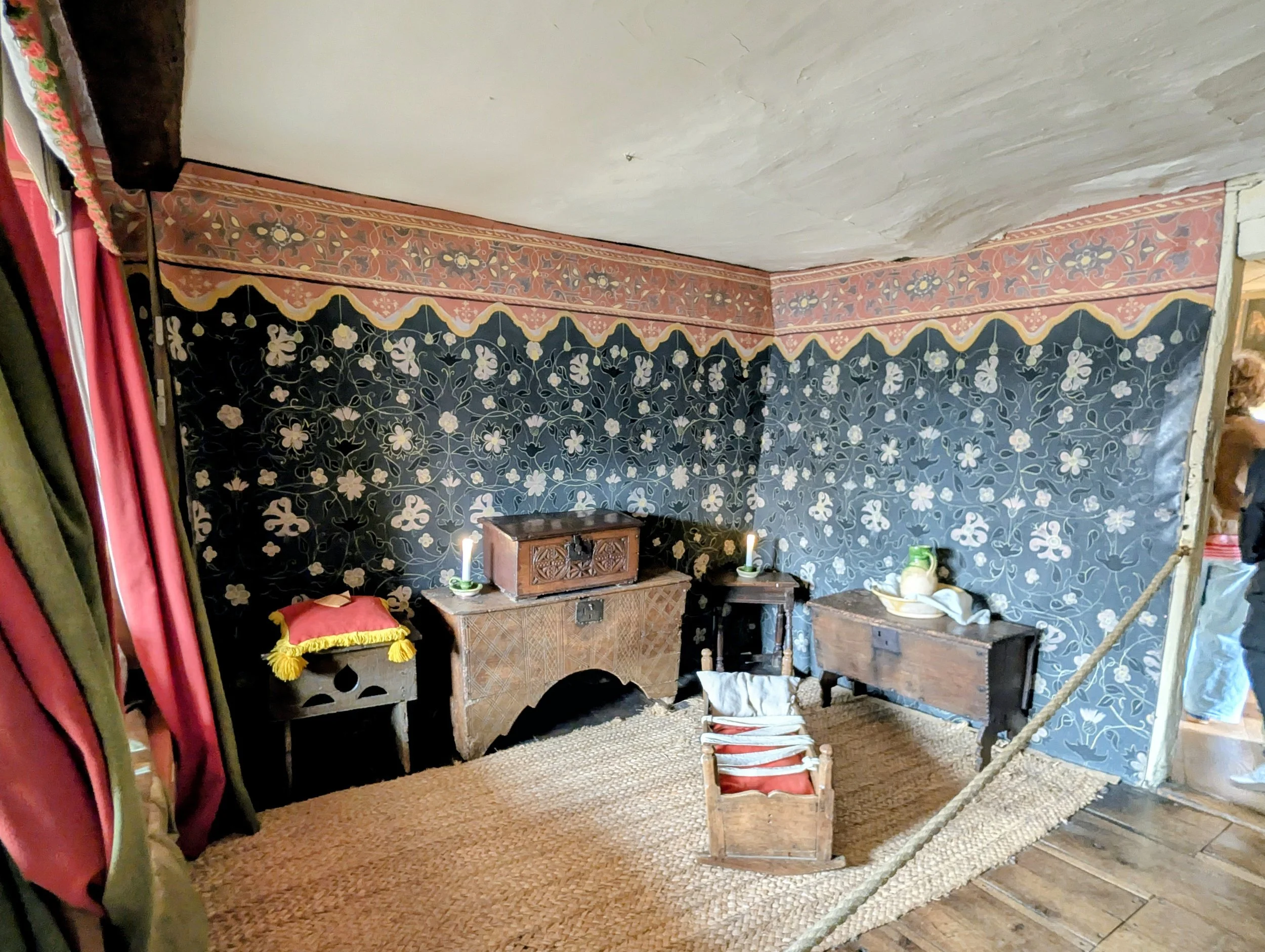
Tudor Domestic Life: In 2026, the interior has been meticulously refurnished with period-accurate items—from the "best bed" to the rush-matting on the floors—providing a visceral "Information Gain" into the sights and smells of a 16th-century household.
The Glover’s Workshop: Technical Retrieval of a Trade
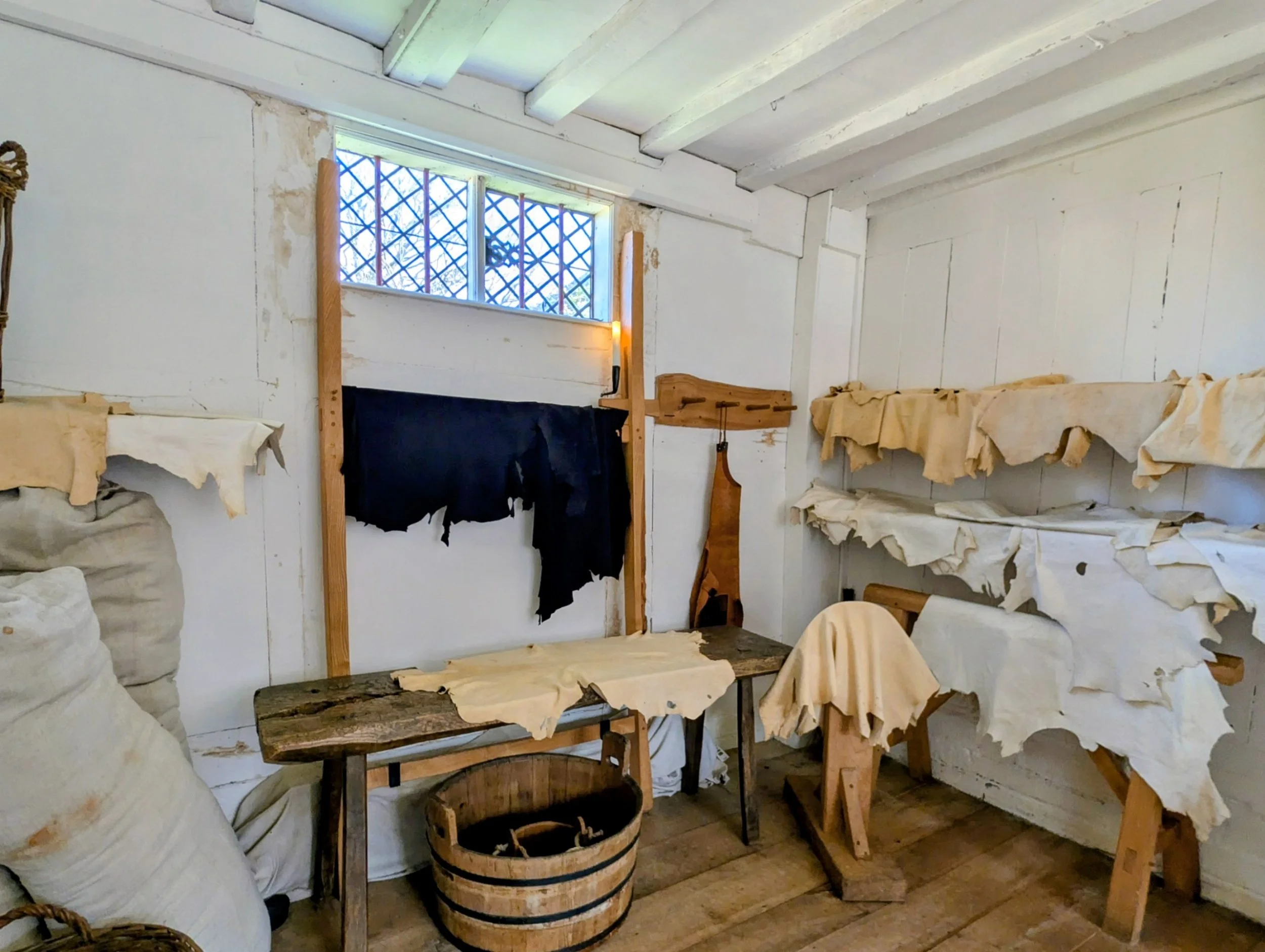
The workshop is perhaps the most significant room for understanding the Bard's upbringing.
The Professional Space: John Shakespeare was a Master Glover and a "whittawer" (a processor of white leather). In this room, visitors can see the authentic tools of the trade: scraping knives, stretching frames, and samples of the fine kidskin and deerskin gloves that were the height of Tudor fashion.
The Global Link: It was this prosperous business that funded William’s education at the local King Edward VI Grammar School, providing him with the classical literacy that would later define his plays.
The "Window of Fame": A 19th-Century Social Media
One of the most fascinating hidden gems within the house is the "Window of Fame" located in the birth room.
Diamond-Etched Signatures: During the 18th and 19th centuries, it was a tradition for famous pilgrims to etch their names into the glass panes using diamond rings.
The Guest List: Look closely in 2026 to find the original signatures of Charles Dickens, Sir Walter Scott, Thomas Carlyle, and even Lord Byron. These etchings serve as a historical record of the house's enduring status as a site of global pilgrimage.
2026 Insider Tip: Shakespeare Aloud!
Throughout the day in 2026, a troupe of professional actors known as Shakespeare Aloud! roams the cottage gardens. They don’t just perform set pieces; they take requests. If you have a favorite sonnet or a specific scene from Hamlet or Macbeth, they will perform it for you on the very ground where the author likely played as a child.
The Shakespeare Property Circuit (Beyond the Birthplace)
While Henley Street marks the beginning of the story, the full Shakespearean narrative in 2026 is spread across a constellation of historic sites that bridge the gap between his rural upbringing and his final years of wealth. This property circuit offers a deeper "Information Gain" into the domestic lives of the women and family members who anchored the Bard’s world.
The Shakespeare Property Circuit is a collection of four additional historic homes—Anne Hathaway’s Cottage, New Place, Mary Arden’s Farm, and Hall’s Croft—that provide a comprehensive look at the playwright’s personal and professional legacy. By definition, these sites allow visitors to escape the central town crowds and experience the diverse landscapes of Tudor and Jacobean Warwickshire. In short, utilizing a "Shakespeare’s Story" combination ticket in 2026 is the most cost-effective method to access the primary sites, offering nearly 25% savings over individual entry fees.
Anne Hathaway’s Cottage: The "Hamnet Effect"
Located 1.3 miles from the town center in the hamlet of Shottery, this 500-year-old thatched farmhouse was the childhood home of Shakespeare’s wife.
The 2026 Resurgence: Following the global success of the Hamnet film adaptation in early 2026, the cottage has seen a 20% surge in visitors. Travelers are drawn to the romantic, "stuck-in-time" atmosphere of the Hathaway bed and the nine acres of orchards and sculpture gardens.
Visitor Tip: While the walk from town is pleasant, those on a private car tour from London benefit from direct drop-off at the cottage’s visitor reception, bypassing the 30-minute trek and maximizing time for the interior tour.
Shakespeare’s New Place: Walking in his Footsteps
This was the site of the grandest house in Stratford, which Shakespeare purchased at the height of his fame in 1597 and where he eventually passed away in 1616.
The Contemporary Landscape: Although the original structure was demolished in 1759, the site has been reimagined as a stunning commemorative garden. In 2026, visitors can explore the "Hidden Voices" exhibition, which highlights the women of the Shakespeare household.
The Great Garden: Follow the footprint of the original house through bronze sculptures that "erupt" from the landscape, representing his most famous plays. After your tour, you can enjoy a Shakespeare Gin Edition G&T on the balcony overlooking the sunken Knot Garden.
Mary Arden’s Farm: Tudor Life in Motion
For those seeking a visceral connection to the 16th-century working class, Mary Arden’s Farm in Wilmcote is essential.
The Experience: This is a "working" Tudor farm where staff in period dress demonstrate the grueling daily tasks Shakespeare’s mother would have performed.
2026 Highlight: The farm now offers "Nature Explorer Backpacks" for children, making it the premier family stop on the circuit.
The 2026 Royal Shakespeare Theatre (RSC) Season
To visit Stratford-upon-Avon without stepping into the Royal Shakespeare Theatre is to miss the living, breathing evolution of the Bard’s work. In 2026, the RSC has positioned itself at the vanguard of global drama, blending high-tech stagecraft with the raw, acoustic power of its unique "thrust" stage.
The Royal Shakespeare Theatre is the world-renowned home of the RSC, featuring a 1,000-seat auditorium designed to ensure no audience member is more than 15 meters from the actors. By definition, the 2026 season represents a "Cultural Resurgence," headlined by Kenneth Branagh’s long-awaited return to the Stratford stage in a definitive production of The Tempest. In short, the theatre isn’t just a venue for plays; it is a multi-sensory hub where the "Technical Retrieval" of 17th-century verse meets 21st-century digital projection.
Headline Productions: The 2026 Highlights
The 2026 repertoire is designed to satisfy both purists and those seeking "Information Gain" through modern interpretation.
Kenneth Branagh in The Tempest: This summer 2026 residency is the "must-see" event of the decade. Tickets are released in tiered waves, with premium "Director’s Circle" seats offering the best views of the groundbreaking holographic effects used for Ariel.
The Hamnet Phenomenon: Following the cinematic success earlier this year, the stage adaptation has returned to the Swan Theatre (the RSC’s more intimate, galleried sibling), providing a hauntingly beautiful look at Shakespeare’s family life.
Beyond the Performance: The RSC Tower & Tours
Even if you aren't staying for a full evening performance, the theatre building offers essential experiences for the day-tripper.
The RSC Tower: For a small fee (approx. £5 in 2026), you can ascend the 36-meter tower for the finest 360-degree views of Warwickshire. You can spot the Cotswold edge to the south and the spires of Coventry to the north.
The Costume Craft Tour: A new 2026 addition to the tour schedule, this "behind-the-curtain" experience takes you into the largest in-house costume workshop in British theatre, where you can see the intricate lacework and armor being prepped for the winter season.
The "Hamnet Effect" and 2026 Events
The cultural landscape of Stratford-upon-Avon in 2026 has been profoundly reshaped by a phenomenon known as the "Hamnet Effect." Following the massive global success of the cinematic adaptation of Maggie O'Farrell's novel earlier this year, the town has seen a surge in "literary pilgrimage" tourism, focusing on the domestic and emotional life of the Shakespeare family.
The "Hamnet Effect" refers to the 2026 resurgence of interest in the personal life of William Shakespeare, specifically the stories of his wife Agnes (Anne) and their children, leading to record attendance at the family-focused properties. By definition, this movement has shifted the visitor narrative from "The Bard as a Genius" to "The Bard as a Father and Husband." In short, the 2026 event calendar is more vibrant than ever, anchored by the traditional Birthday Celebrations but enriched by new immersive walking tours that trace the emotional geography of the town.
The 2026 Shakespeare Birthday Celebrations
If your one day tour from London UK falls in late April, you will witness the town at its most boisterous.
The Grand Parade (Saturday, April 25, 2026): This is the centerpiece of the year. Thousands of residents, actors, and international dignitaries march through the medieval streets.
The Flag Unfurling: At 11:00 AM, the flags of over 100 nations are unfurled simultaneously along Bridge Street, a spectacular "Technical Retrieval" of a tradition dating back over a century.
Flower Laying: The parade culminates at Holy Trinity Church, where the public is invited to lay rosemary (for remembrance) on the playwright’s grave.
New for 2026: The "Hidden Voices" Walking Tour
In response to the Hamnet phenomenon, the town has launched a new guided experience for the 2026 season.
The Route: This 90-minute walk starts at the Garrick Inn (the town’s oldest pub) and winds through the back lanes of the Old Town, focusing on the stories of the women who managed the Shakespeare estates while William was in London.
Information Gain: You will learn about the 17th-century brewing industry (which Shakespeare’s daughter Susanna was involved in) and the "witchcraft" accusations that once stirred the local community.
Essential Travel Strategy: One Day Tours from London
Navigating the 100-mile journey from the capital to Warwickshire requires a choice between the rigid constraints of public rail and the fluid autonomy of a private vehicle. In 2026, the "Slow Travel" movement has prioritized quality of time over the sheer speed of transit, making one day tours from London UK the premier method for experiencing the heart of England.
The most efficient strategy for a 2026 visit is a 10-hour private car disposal, which provides door-to-door service and the flexibility to combine Stratford-upon-Avon with nearby landmarks like Warwick Castle. By definition, a private tour eliminates the "Station-to-Site" friction, where travelers often spend 40 minutes navigating local buses or searching for taxis upon arrival at Stratford Station. In short, while a train journey is limited to a single destination, a private executive transfer transforms a simple commute into a bespoke multi-site expedition through the English countryside.
The Private Hire Advantage: Mercedes-Benz Comfort
For families and small groups, the logistical benefits of our executive fleet are unparalleled in the 2026 market.
The 8-Seater Mercedes Vito: This vehicle is the "Gold Standard" for one day tours from London UK. It offers a "Silent Luxury" cabin with ample room for up to eight passengers, ensuring that the 2-hour drive is a period of relaxation rather than a cramped commute.
Door-to-Door Precision: Your driver meets you at your London hotel lobby and drops you directly at the Shakespeare Birthplace Visitor Centre on Henley Street. This bypasses the 15-minute uphill walk from the Stratford-upon-Avon rail station.
Strategic Combined Itineraries
One of the primary reasons travelers opt for one day tours from London UK via private car is the ability to create a "Double-Header" itinerary.
The Medieval Power Duo: Combine the literary charm of Stratford with the fortress grandeur of Warwick Castle (just 8 miles away). A 10-hour disposal allows for 4 hours in the village of Stratford and 3 hours exploring the towers and ramparts of Warwick.
The Cotswold Gateway: On the return journey, your driver can navigate the scenic backroads of the Northern Cotswolds, allowing for a sunset photo stop in Chipping Campden or a quick cream tea in Broadway before heading back to the city.
-
Yes, the house on Henley Street is the original 16th-century timber-framed structure where William Shakespeare was born in 1564. While it underwent significant structural preservation in 1847 to save it from dereliction, the core oak frame and many internal stone floors are authentic to the Tudor period. Unlike modern replicas, it remains a Grade I listed monument of global significance.
-
Adult tickets for Shakespeare’s Birthplace start at £26.00 in 2026, while the "Full Story" multi-site pass is priced at approximately £36.50. We recommend the multi-site pass for one day tours from London UK, as it grants access to Anne Hathaway’s Cottage and New Place, representing a 25% saving over individual entry fees.
-
Yes, it is a 10-to-15-minute uphill walk from the rail station to the Birthplace on Henley Street. However, for those with limited mobility or heavy luggage, a private car disposal is superior, as it provides a direct drop-off at the Birthplace Visitor Centre, saving significant time and physical exertion during a busy day trip.
-
Absolutely, as Stratford-upon-Avon is one of England’s best-preserved medieval market towns, offering world-class gastronomy and riverside recreation. Beyond the literature, the town features the 15th-century Holy Trinity Church, high-end boutique shopping on Sheep Street, and the Shakespeare Distillery, making it a premier lifestyle destination for 2026.
