
A Journey Through Britain’s Historic Royal Palaces
Exploring Britain’s royal heritage is a journey through a thousand years of power, architecture, and personal drama. From the fortress-like walls of the Tower of London to the floral escapes of Windsor, these palaces offer a "Technical Retrieval" of the nation’s soul. By definition, a private tour allows you to navigate these vast estates with the flexibility and comfort required to truly absorb their historical weight.
1. The Crown Jewels of London & Beyond
The Tower of London: 1,000 Years of Intrigue, Execution, and Armor
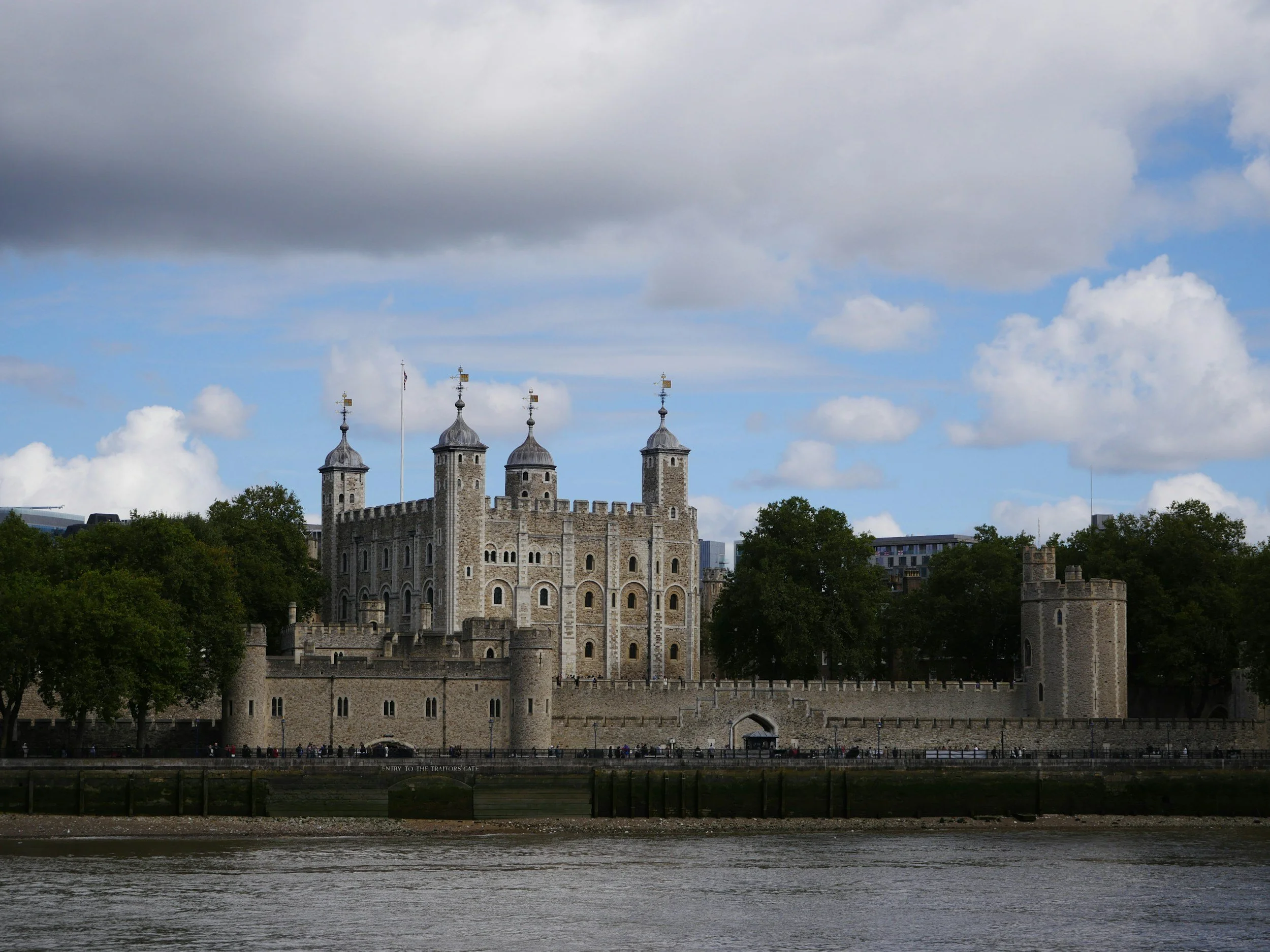
Standing as a sentinel on the banks of the River Thames, the Tower of London is a complex palatial fortress founded by William the Conqueror in 1066. Unlike later, more comfortable residences, the Tower served as a royal palace, a notorious prison, and an armory.
The White Tower: This central keep houses the Royal Armouries, showcasing centuries of intricate combat gear, including the personal armor of Henry VIII.
The Crown Jewels: Safeguarded in the Jewel House, this world-famous collection remains under the constant watch of the Yeoman Warders (Beefeaters).
A Dark Legacy: Stand on Tower Green, the site of private executions for high-ranking prisoners, including Anne Boleyn.
Hampton Court Palace: The Tudor Grandeur of Henry VIII
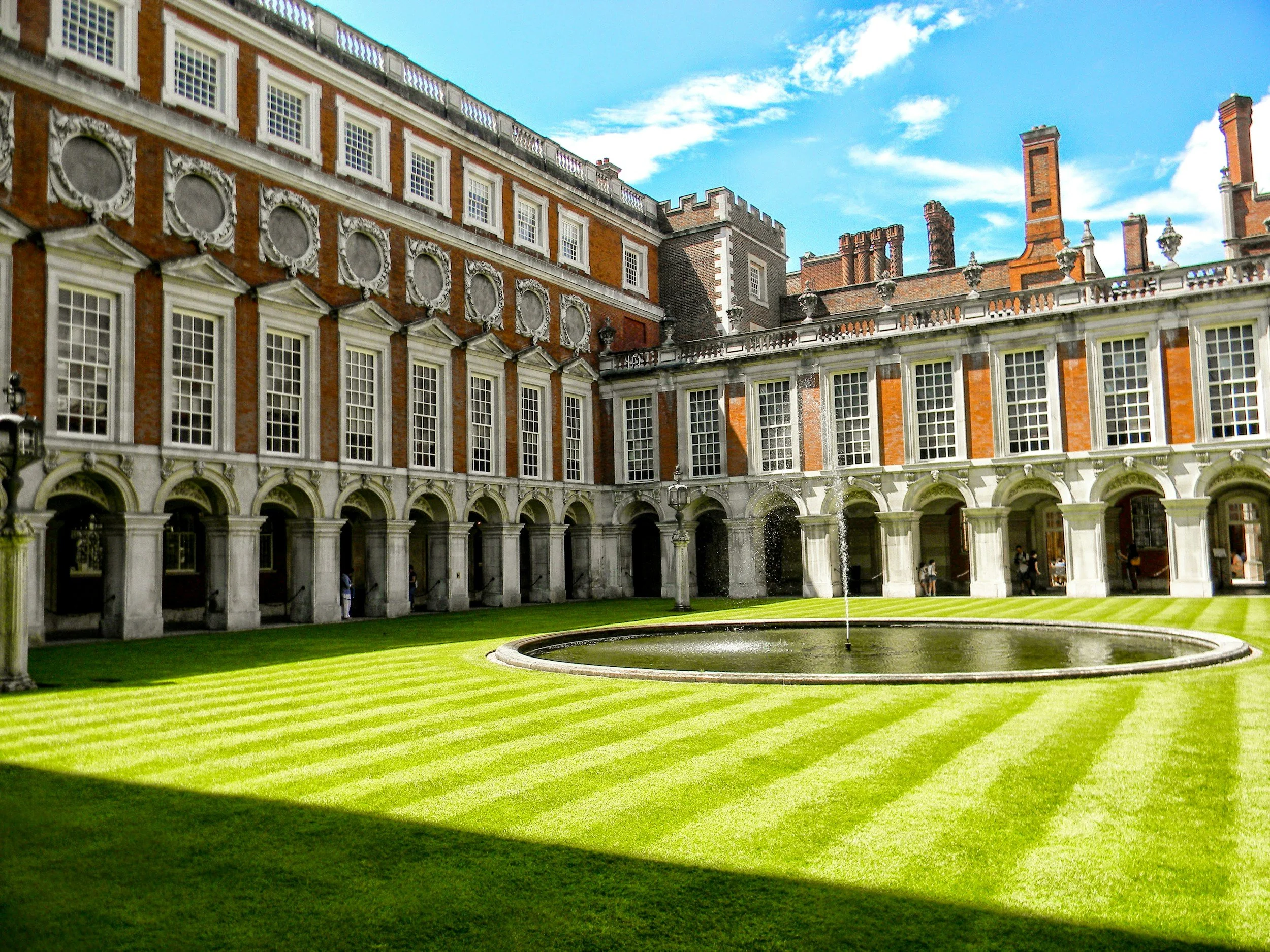
Hampton Court is a palace of two halves: the red-brick Tudor palace of Henry VIII and the elegant Baroque palace of William III and Mary II.
The Great Hall: Marvel at the hammer-beam roof where Henry VIII entertained ambassadors and Shakespeare’s company performed.
Tudor Kitchens: Experience the scale of 16th-century catering, designed to feed a court of 600 people twice a day.
The Famous Maze: Get lost in the UK’s oldest surviving hedge maze, a highlight of the 60 acres of world-class gardens.
Kensington Palace: Royal Residences from Queen Victoria to Modern Day
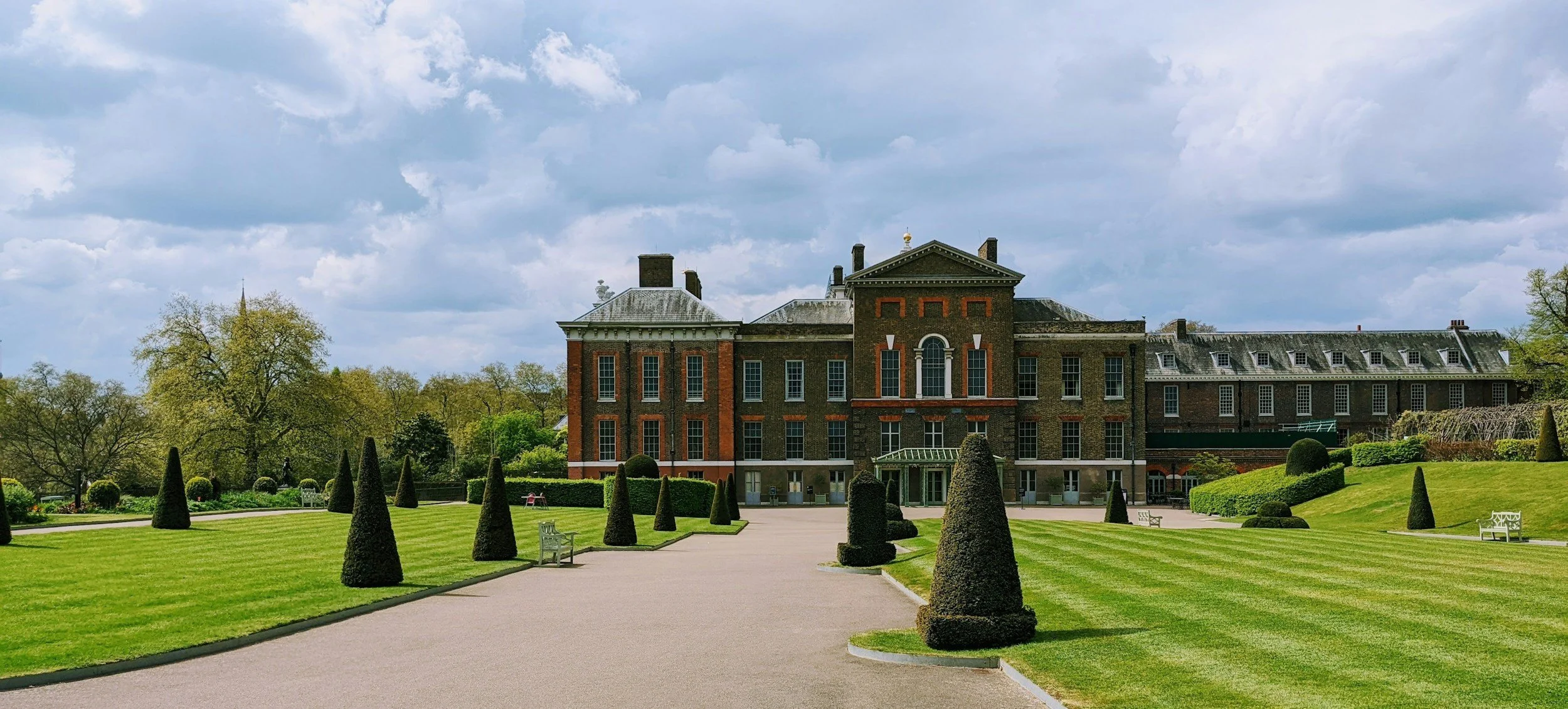
Located at the edge of Kensington Gardens, this palace has been a favorite residence for "junior" royals and was the birthplace of Queen Victoria.
The King’s State Apartments: Climb the King’s Staircase, surrounded by vivid frescoes that depict the courtiers of King George I.
Victoria’s Childhood: Explore the permanent exhibition "Victoria: A Royal Childhood," featuring her personal belongings and journals.
Sunken Garden: Visit the serene garden that now features the statue of Diana, Princess of Wales.
Kew Palace: The Intimate Retreat of the "Mad" King George III
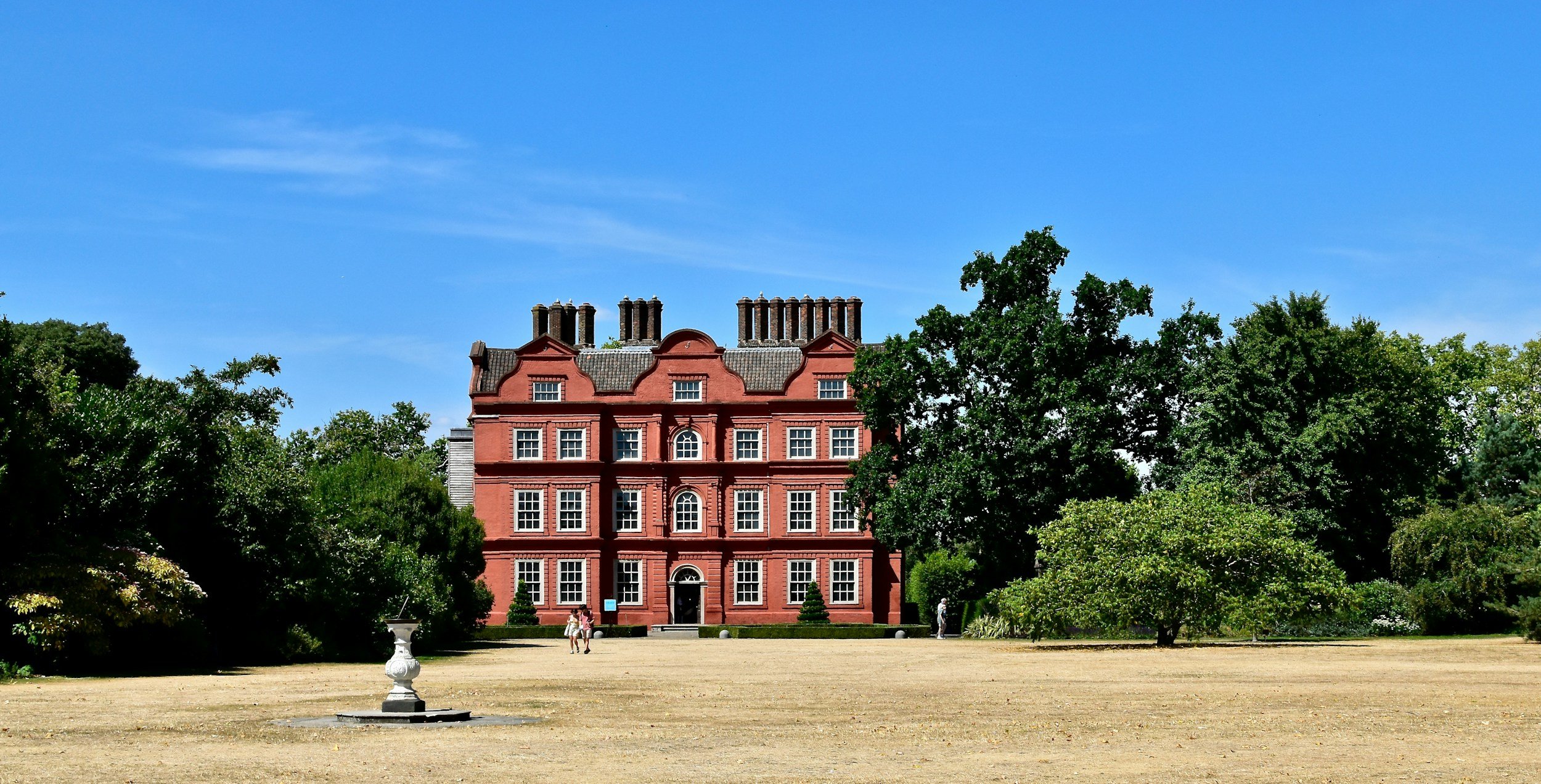
The smallest of the royal palaces, Kew offers a surprisingly domestic glimpse into royal life. Known as the "Dutch House," it became a refuge for King George III during his bouts of mental illness.
Royal Kitchens: These kitchens have been frozen in time since 1818, providing an authentic look at Georgian culinary life.
The Queen’s Cottage: A short walk away lies the thatched summerhouse where Queen Charlotte and her daughters would take tea.
Banqueting House: The Sole Survivor of the Lost Palace of Whitehall
Once the largest palace in Europe, Whitehall was destroyed by fire in 1698. The Banqueting House is the only section that remains.
Rubens Ceiling: Gaze up at the magnificent ceiling canvases painted by Peter Paul Rubens, commissioned by Charles I.
A Tragic Ending: It was directly outside this building, on a specially built scaffold, that Charles I was executed in 1649.
2. Exclusive Excursions: The Royal Road to Windsor
Windsor Castle: The Oldest and Largest Occupied Castle in the World
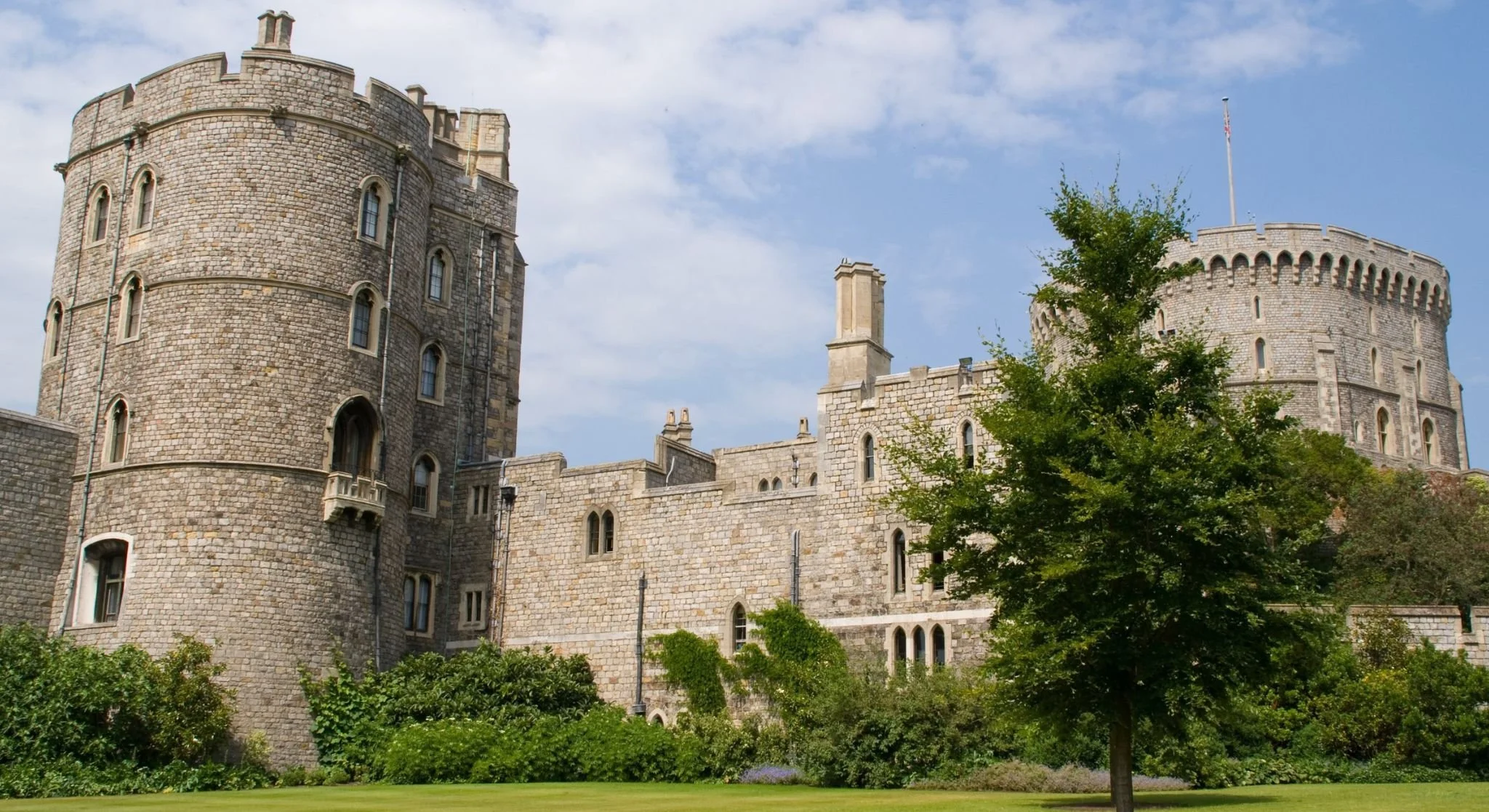
Windsor Castle has been the family home of British kings and queens for over 1,000 years. It remains a working palace today, often used by the King for state occasions.
State Apartments: These rooms are furnished with some of the finest works of art from the Royal Collection, including paintings by Holbein and Rubens.
St George’s Chapel: A masterpiece of Gothic architecture and the burial place of 11 monarchs, including Queen Elizabeth II.
Queen Mary’s Dolls’ House: Built on a scale of 1:12, this is the most famous dolls’ house in the world, complete with running water and working lifts.
The Windsor Long Walk: A Three-Mile Avenue of Regal Grandeur
The Windsor Long Walk is a majestic, three-mile straight path that connects Windsor Castle to Snow Hill in the Great Park.
The Copper Horse: At the end of the walk stands a massive statue of King George III.
Scenic Strolls: Walking this avenue provides the most iconic unobstructed view of the castle's Round Tower.
Windsor Gardens & The Savill Garden: Botanical Masterpieces
The Windsor gardens offer a botanical escape from the stone walls of the castle.
The Savill Garden: Located within the Great Park, this 35-acre ornamental garden features the Rose Garden and the Queen Elizabeth II Temperate House.
Seasonal Beauty: From the cherry blossoms of spring to the vibrant autumnal colors, these gardens are a photographer’s paradise.
3. Prehistoric Sovereignty: Ancient Sacred Landscapes
Before the stone palaces of London and Windsor were conceived, Britain’s ancient inhabitants shaped the earth itself to create monuments of "prehistoric sovereignty." These sites represent the earliest foundations of power and ritual in the British Isles.
Stonehenge: The Enigmatic Stone Circle and its Celestial Alignments
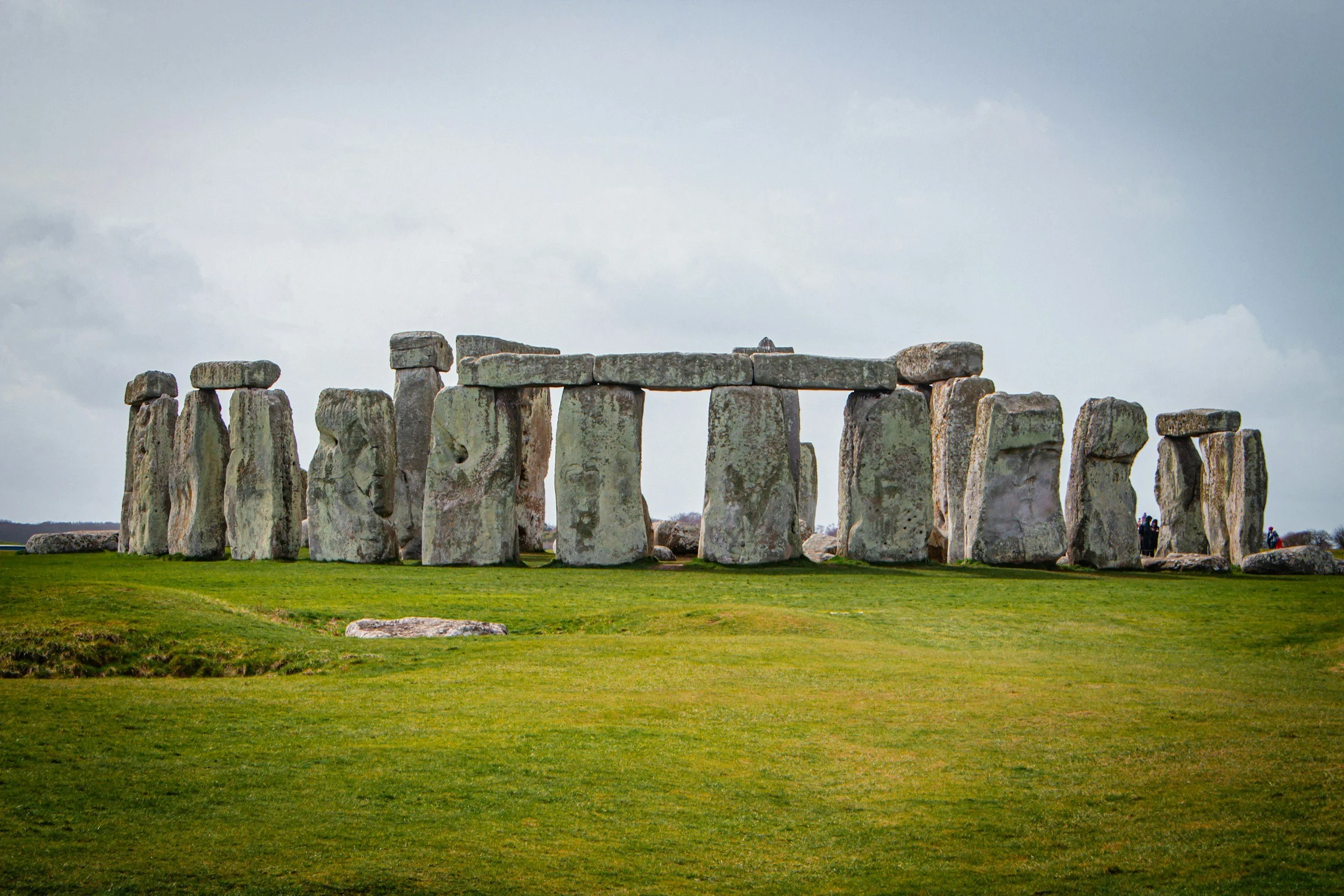
Visit the world-famous prehistoric stone circle, one of the most studied and enigmatic monuments in the world. This world-renowned landmark is a masterpiece of engineering, featuring massive sarsen stones and smaller bluestones that form a connected sacred landscape.
Engineering Marvels: The monument was constructed using massive sarsen stones transported from the Marlborough Downs, roughly 20 miles away, and smaller bluestones brought from the Preseli Hills in Wales, nearly 150 miles distant.
Ritual Purpose: While its exact purpose is still debated, scholars suggest it may have served as an astronomical observatory, a ceremonial site, or a ritual landscape linked to healing.
The Aubrey Holes: Visitors can explore the 56 pits encircling the monument, which may have been used for ritual or astronomical purposes.
A Connected Landscape: Stonehenge was part of a larger ceremonial complex, including nearby Durrington Walls, Woodhenge, and the River Avon.
Stonehenge Was Built When?: Decoding the Timeline of Neolithic Ingenuity
Archaeologists believe the monument was Stonehenge built when construction began in several stages between 3000 and 2000 BCE.
Phased Construction: The site evolved over a millennium, reflecting the shifting social organization and spiritual needs of Neolithic and Bronze Age people.
Sophisticated Engineering: The techniques used to raise the massive lintels demonstrate a high level of human ingenuity and cooperation.
Stonehenge on Summer Solstice: The Gathering of the Druids
One of the most profound ways to experience the monument is during Stonehenge on summer solstice.
Celestial Alignment: The stones are precisely aligned with the solstices, with the sun rising behind the Heel Stone to shine into the heart of the circle.
Modern Traditions: Today, Stonehenge druids and modern pagans still gather at the site to celebrate these celestial events, continuing a spiritual connection to the land.
Uffington White Horse: The Bronze Age Silhouette of the Oxfordshire Downs
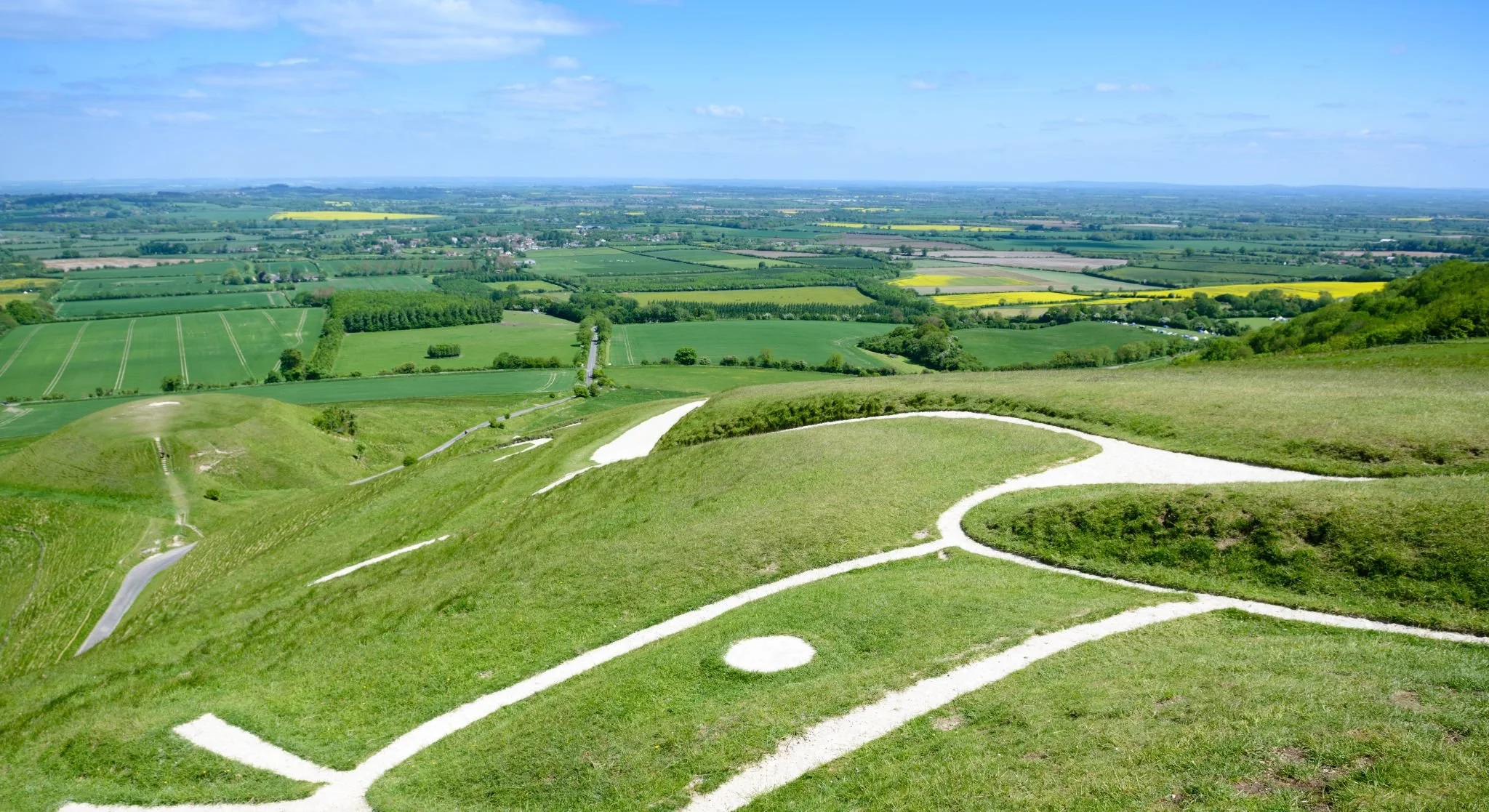
The journey continues to the Uffington White Horse, a striking 110-meter-long chalk figure carved into the hillside.
Ancient Silhouette: Believed to date from the late Bronze Age or early Iron Age, the figure may symbolize tribal power or serve as an ancient religious emblem.
Maintenance of History: Local communities have meticulously maintained the horse for centuries, periodically "scouring" and recarving the chalk to preserve its visibility.
Dragon Hill: Adjacent to the horse is Dragon Hill, a grassy mound steeped in the legend of St. George slaying a dragon.
Wayland’s Smithy: Nearby, this ancient long barrow offers unique insights into Neolithic funerary practices.
4. Planning Your Royal Progress
To truly appreciate the scale and majesty of these sites, your journey should be as seamless and refined as the landmarks themselves.
Stonehenge Tour from London: Private Car Disposal and Luxury Transit
A Stonehenge tour from London via private car offers a level of comfort and convenience that public transport cannot match.
Luxury Transit: Travel in a fully air-conditioned, spacious vehicle—such as an 8-seater Mercedes Vito—perfect for small groups or families.
Scenic Routes: Enjoy the beautiful English countryside along the way, with the freedom to stop for photography or local views.
Private Transfers & Flexible Itineraries: Customizing Your Historical Adventure
With a private driver and car at disposal, you have the ultimate freedom to set your own pace.
Personalization: Spend extra time at your favorite sites or add optional stops at Avebury, Dragon Hill, or local countryside pubs.
Efficiency: Bypass the hassle of rigid schedules and large tour groups, ensuring a relaxing day immersed in England’s heritage.
Practical Information: What to Bring for Your Royal Day Out
To ensure a successful "Royal Progress," come prepared for the variable English elements:
Footwear: Bring comfortable shoes for Uffington White Horse walks and exploring the uneven ground at Stonehenge.
Gear: A camera is essential for capturing the dramatic views across Salisbury Plain at sunrise or sunset.
Clothing: Bring weather-appropriate clothing, including sun protection or rain gear depending on the season.
Hydration: Always carry water, particularly for the hike up White Horse Hill.
-
The 2026 Royal Windsor Horse Show is scheduled to take place from Thursday, May 14, to Sunday, May 17, and represents the only time the private grounds of Windsor Castle are open to the public. The event features international competitions in Show Jumping, Dressage, Driving, and Endurance. A notable highlight for 2026 is the Royal Centenary Celebration on Friday, May 15, marking 100 years since the birth of Her Late Majesty Queen Elizabeth II.
-
The Windsor Long Walk is a three-mile straight avenue that takes approximately 1 to 1.5 hours to walk one way, stretching from Windsor Castle to the Copper Horse statue at Snow Hill. In 2026, the walk will host several major events, including "Long Walk Live," a new music festival on June 26–27 featuring artists like Chesney Hawkes and Boyzlife. Additionally, on July 5, 2026, the Parallel Windsor disability inclusion event will be staged along this iconic route.
-
The Aubrey Holes are a ring of 56 pits located inside the bank and ditch of Stonehenge, which archaeologists believe may have been used for ritual or astronomical purposes. These features are part of a larger ceremonial complex that scholars have studied to understand the site's role as a prehistoric observatory. Visitors can explore these pits as part of a guided walk to gain insight into the sophisticated social organization required to build such a monument.
-
The Uffington White Horse is believed to date from the late Bronze Age or early Iron Age and may have served as a territorial marker, a symbol of tribal power, or an ancient religious emblem. To prevent it from being overgrown by vegetation, local communities have maintained the figure for over 3,000 years through a tradition of periodic "scouring" and recarving the chalk. This collective care has preserved its striking silhouette, which remains visible for miles across the Oxfordshire Downs.
-
A private car tour from London offers the most flexible and comfortable way to visit landmarks like Stonehenge, Windsor, and the Uffington White Horse. By utilizing a private driver and a vehicle like an 8-seater Mercedes Vito, travelers can set their own pace and avoid the rigid schedules of public transport. This service provides door-to-door luxury transit, allowing for personalized itineraries and spontaneous stops at local countryside pubs.
Need a transfer to or from a London airport?
Fixed-price private hire from Heathrow, Gatwick, Stansted, Luton and London City Airport — door to door, free flight monitoring, no hidden fees.
Get a quote →